 01706 753 636


More and more of our clients are discovering the appeal of the Balkans. Whether it’s Montenegro, the Albanian Riviera or Croatia, there’s growing interest in this wonderful corner of Europe. With walled cities, islands, alpine lakes and stunning coastlines all within a few hours of each other, it’s a region that’s perfect for a multi-centre holiday.
Here’s our best of the Balkans, from Dubrovnik and the Dalmatian islands to Kotor, Lake Bled and beyond…
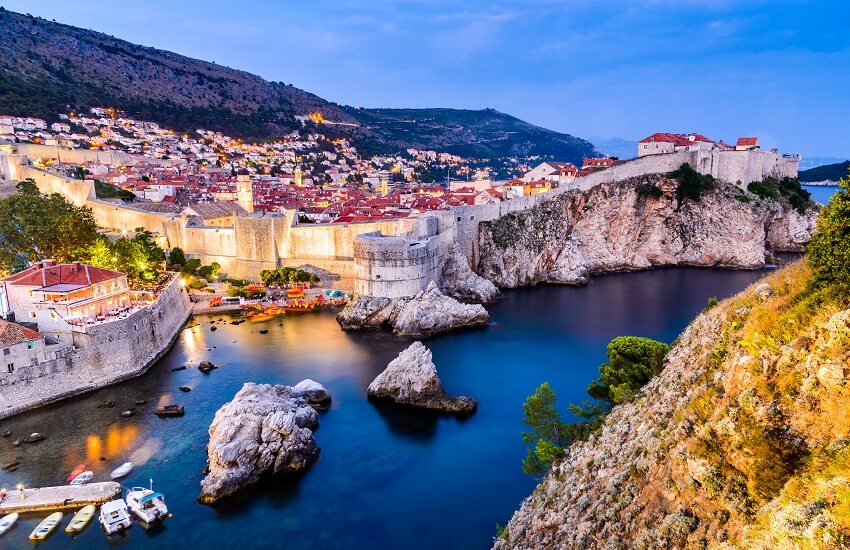
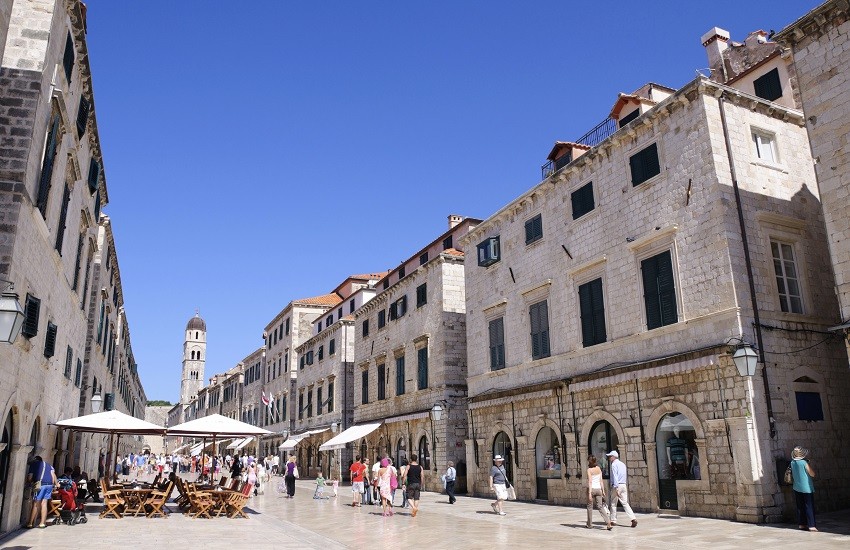
Dubrovnik is arguably the most famous of the bunch, known for its spectacular medieval walls, UNESCO Old Town and role as a major filming location for Game of Thrones. Enter through historic Pile Gate onto the Stradun, the Old Town’s limestone-paved main street, then explore the narrow side streets filled with wine bars and family-run restaurants. A walk around the city walls is a must, offering wonderful views over the terracotta rooftops, Adriatic and nearby islands.
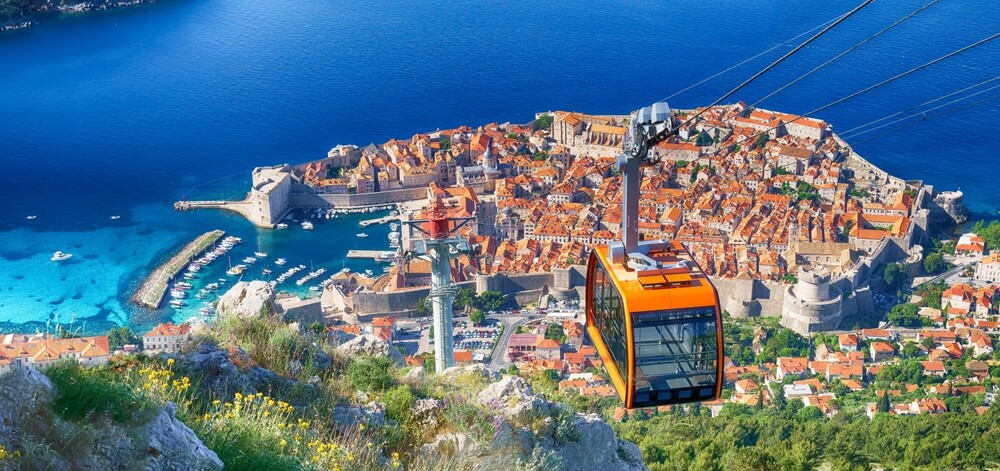
For the best views, particularly at sunset, take the cable car up Mount Srđ. You can also visit Fort Imperial at the summit offering an insight into Dubrovnik’s recent history. Game of Thrones fans will also recognise numerous locations around the Old Town, including Lovrijenac Fortress, which doubled as the Red Keep.
As a coastal city, Dubrovnik has some great options for a beach day. Banje is the closest stretch to the city but if you want something quieter head to Sveti Jakov Beach, explore the Lapad Peninsula, or take a sea-kayaking trip around the city walls and Lokrum Island.
If you’d like to experience Dubrovnik as part of a wider trip, our Best of Croatia holiday is a great place to start.
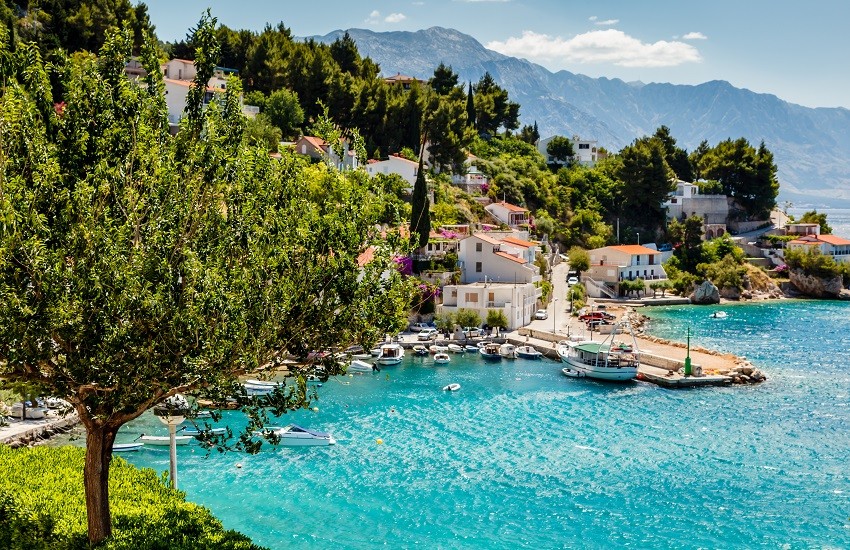
Croatia has more than 1000 islands and islets, and with a great ferry system, many people enjoy choosing two or three to explore on an island-hopping adventure.
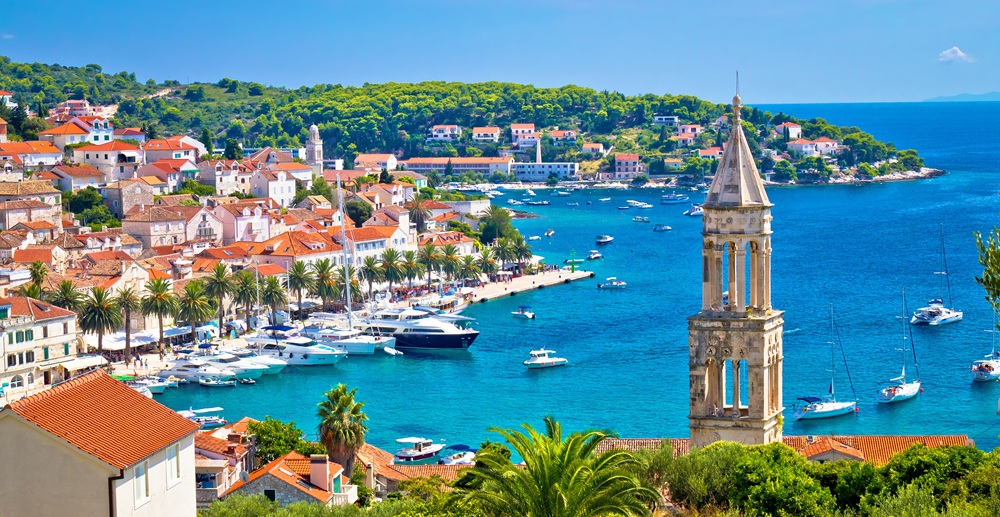
Hvar is perhaps the most glamorous with Venetian architecture, hidden coves, chic restaurants and elegant yachts. Inland you’ll find lavender fields and vineyards. Take a water taxi across to the Pakleni Islands or head up to the Spanish Fortress for sweeping views.
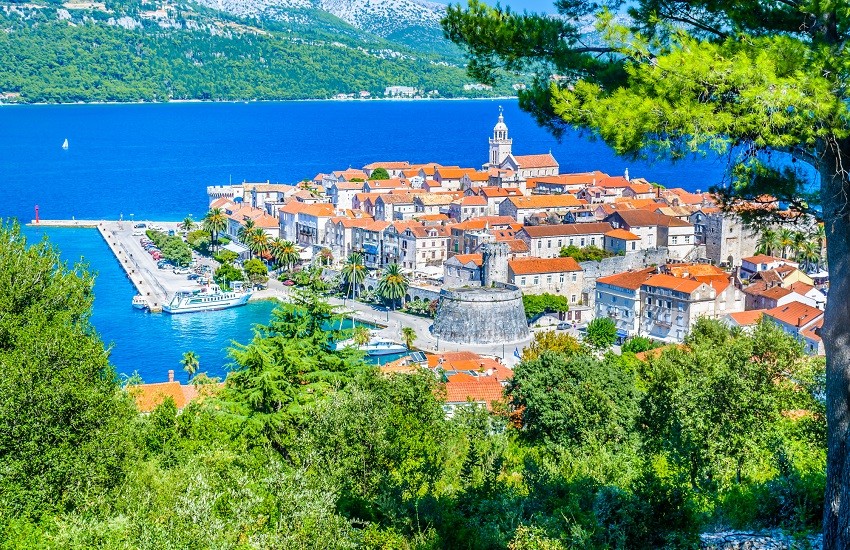
The island of Korčula is home to a medieval masterpiece of a town, with stone streets opening onto pretty squares and cafes. Some great beaches are only a short hop away at Lumbarda. The island is also known for its wine production, so make sure you try the local tipples of Pošip and Grk.
Brač is home to Zlatni Rat, the Golden Horn. It’s one of Croatia’s most stunning beaches due to its fascinating and ever-changing shape. The nearby town of Bol is a great spot for lunch, and the climb up to Vidova Gora behind it offers scenic views along the coast. If you’re deciding which islands to include in your trip, take a look at our guide to the best islands in Croatia for more ideas.
For a quieter island, visit Vis, which was a closed military zone until the late 1980s and is still wild and unspoiled. Or Mljet, with its two connected saltwater lakes and 12th-century island monastery. The area around the lakes is mostly car-free, and cycling around them is a great way to spend a day.
For an easy way to experience several of Croatia’s islands in one trip, take a look at our Best Islands of Croatia holiday.
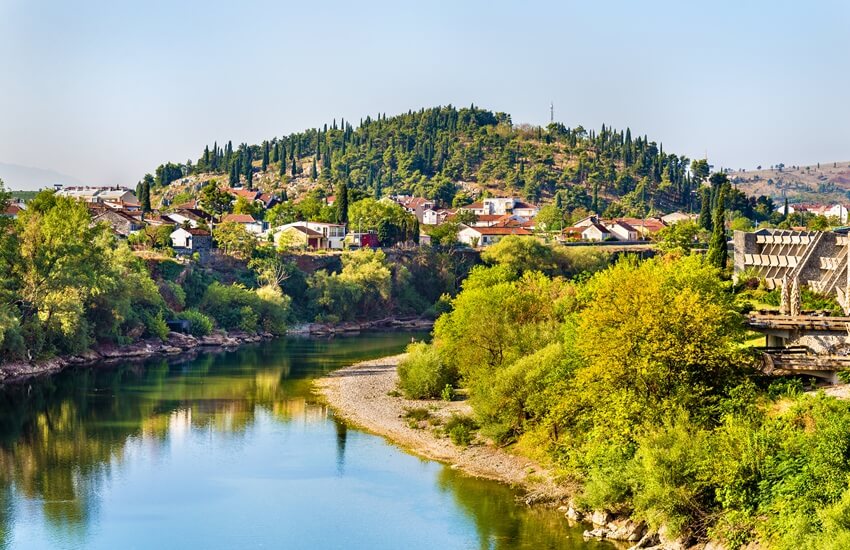
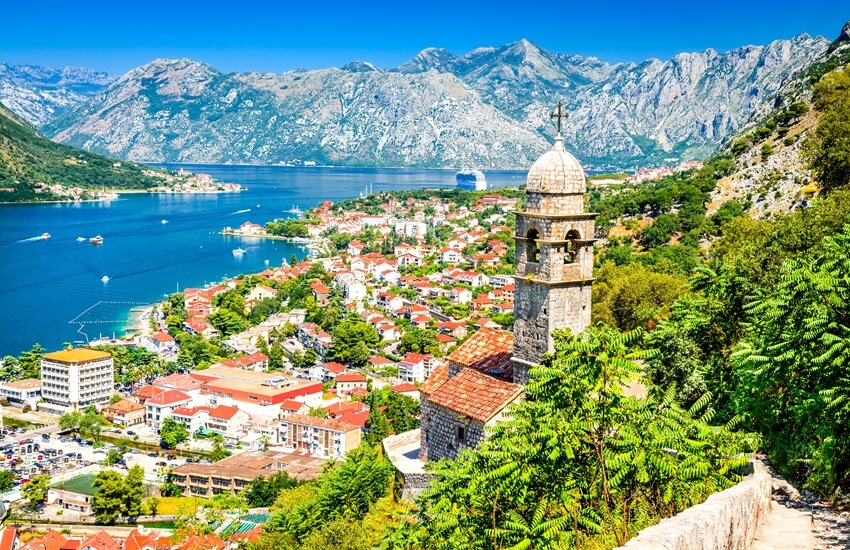
Montenegro is having a moment, and the Bay of Kotor is a large part of the reason why. It’s one of the most dramatic stretches of coastline anywhere in Europe. Its still, glass-like waters are surrounded by rugged mountains, with pretty stone villages and historic towns dotted along the shoreline. Kotor itself is wonderfully atmospheric, with cobbled streets, terracotta roofs and grand palaces, and for the best views you can climb the 1,350 steps up the mountainside to the Castle of San Giovanni. Further around the shore is Perast, a picture-perfect village of stone houses and waterfront cafes, where small boats run out to Our Lady of the Rocks, an island built up over centuries by sailors dropping stones into the sea.
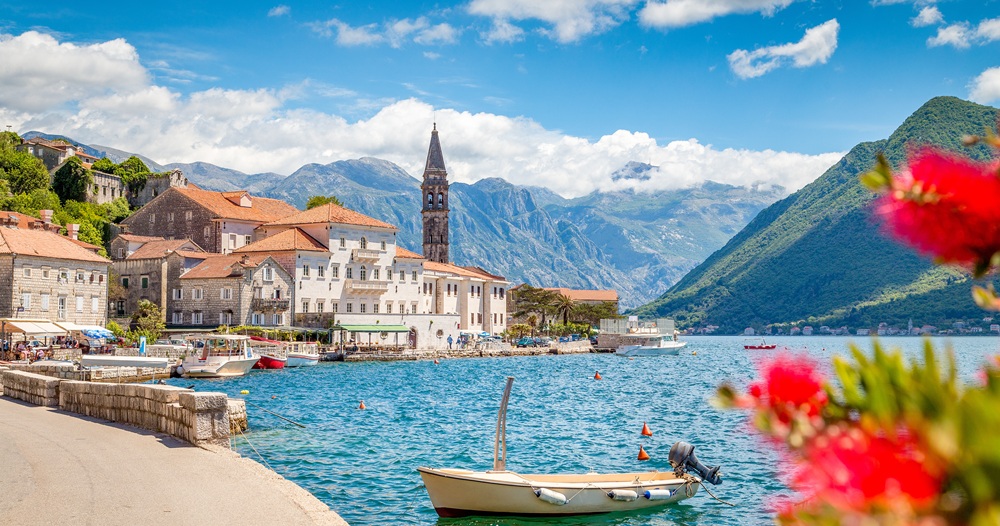
Boat trips take you out to the Blue Cave on the Luštica peninsula and to the old submarine tunnels cut into the rock during the Yugoslav era. If you have a car, take the old serpentine road towards Lovćen, with its 25 hairpin bends and incredible views over the bay. If that sounds a bit much, the Kotor–Lovćen cable car offers an easier way up.
If you’d like to see more of the country, our Best of Montenegro itinerary combines Kotor with some of Montenegro’s other highlights.
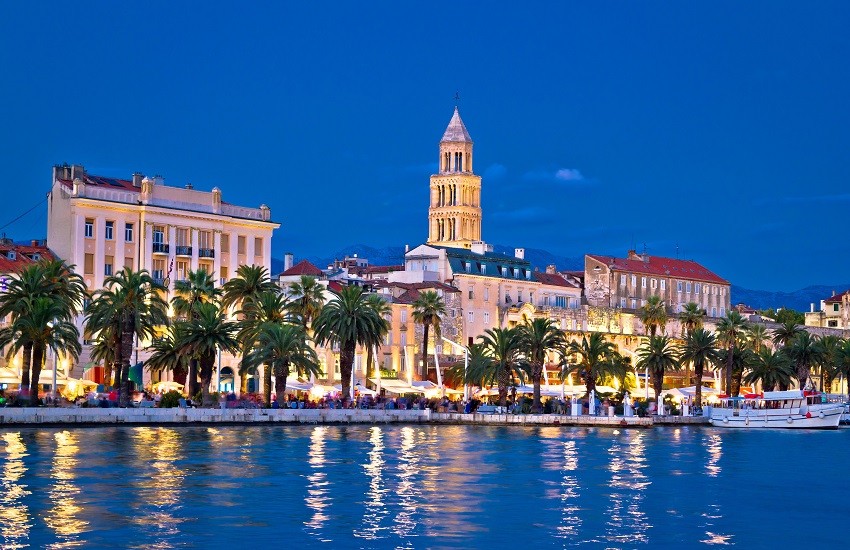
Split is Croatia’s second city. One of its highlights is Diocletian’s Palace, part of the city’s UNESCO-listed historic centre. It was built at the turn of the fourth century for a Roman emperor but is now the heart of the city with shops, apartments, bars, churches and cafes tucked among its ancient walls. The Peristyle is the central square of Diocletian’s Palace, and the cellars beneath the palace offer a glimpse into its Roman past. Opposite is the Cathedral of St Domnius, whose medieval bell tower you can climb for great views across the city.
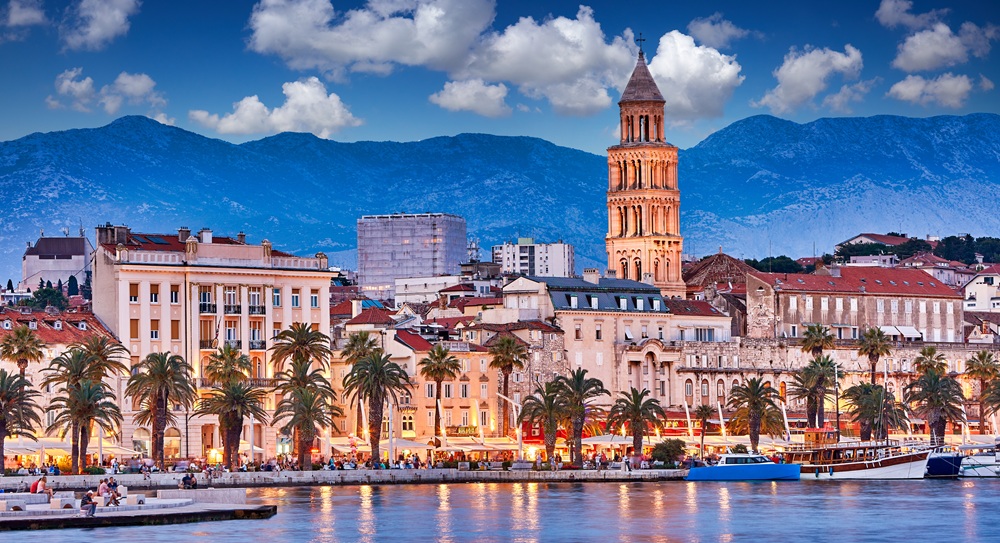
Beyond the old town, Marjan Forest Park covers much of the peninsula west of Split, with pine-covered paths and wonderful views. If you fancy a dip, Kasjuni and Bene are quiet swimming spots on Marjan itself, while Bačvice is a shallow sandy bay just east of the Old Town, although it does tend to get busy. Finish the day with a walk along the Riva, the city’s palm-lined waterfront promenade, and enjoy a drink at one of the many cafes and restaurants.
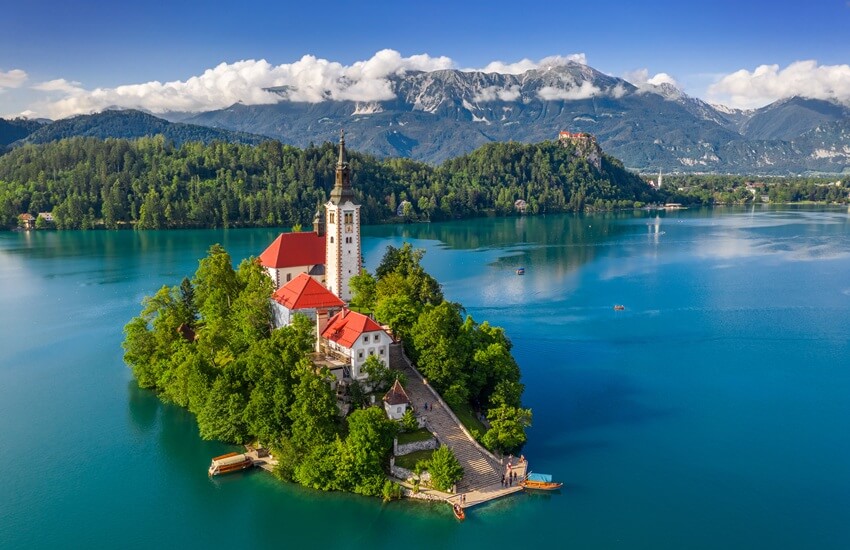
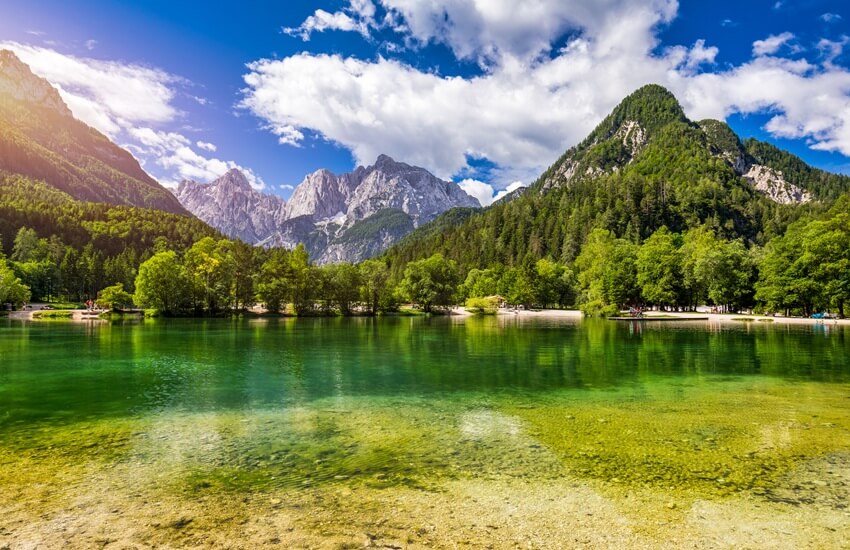
With its island church, hilltop castle and backdrop of the Julian Alps, Lake Bled is one of Slovenia’s most beautiful sights. Its clear blue waters are surrounded by wooded hills, with walking paths following most of the shoreline and plenty of spots to stop and take in the view. The traditional way onto the island is by pletna, a flat-bottomed wooden boat rowed by hand. On dry land, there are 99 steps to the church where the famous wishing bell can be rung. Mala Osojnica and nearby Ojstrica both offer spectacular views over the lake, especially at sunrise.
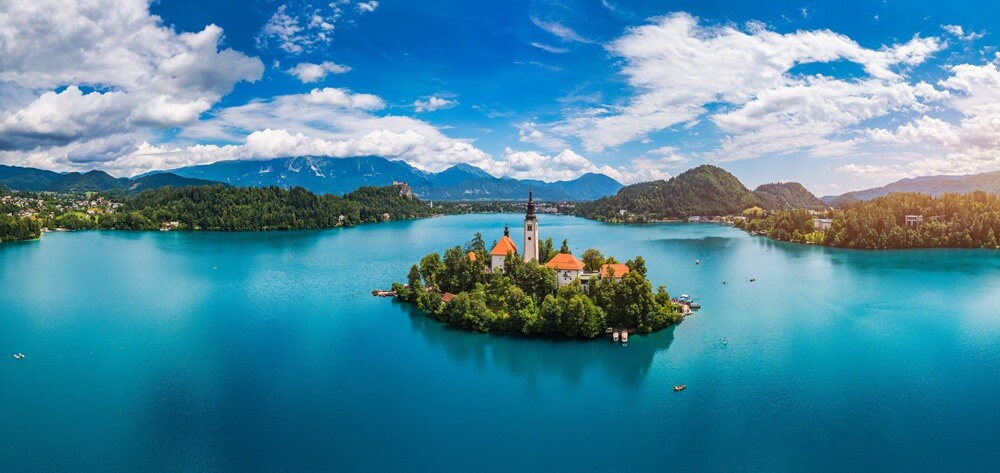
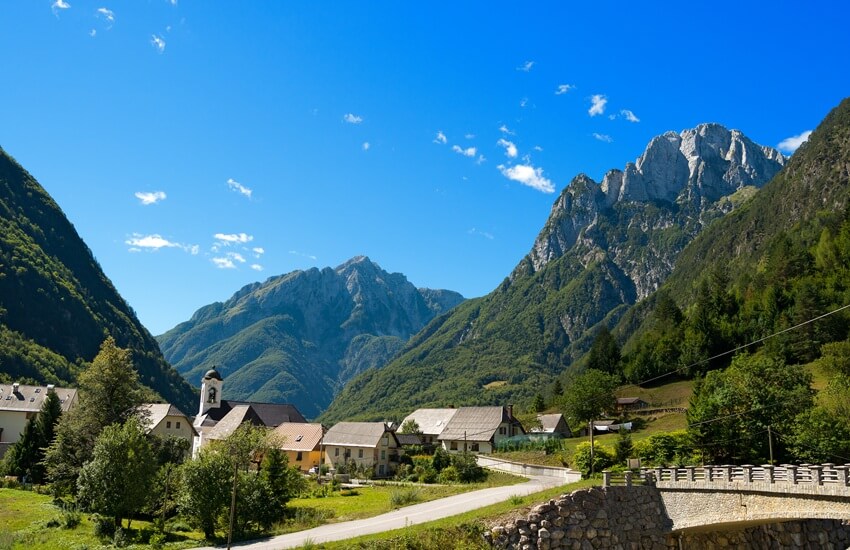
Nearby, at Vintgar Gorge you’ll find wooden walkways next to the cliffs above the astonishingly green river, while Lake Bohinj is larger, wilder and much quieter than Bled. Deeper into Triglav National Park you can explore the Vršič Pass, the emerald Soča river and some excellent walking routes. And to keep your energy up after all that walking, make sure you try the kremšnita, Bled’s famous custard cream cake.
You can bring many of these places together on our Slovenia’s Lakes & Mountains holiday, combining the country’s alpine scenery with time in Ljubljana.
Albania’s Ionian coastline is beautiful, with turquoise water and pebbly coves backed by olive groves. It feels a bit like the Greek islands a few decades ago, but it’s changing very quickly, so it’s somewhere to visit sooner rather than later. At the southern end, Ksamil has bright blue water, along with a handful of little islands, some of which are close enough to swim to. For a gentler feel, head to Himarë, where you’ll find long, uncrowded beaches such as Livadhi and Borsh. Dhërmi and nearby Drymades are considered the stylish end of the Riviera, with good seafood restaurants and a lively summer festival scene.
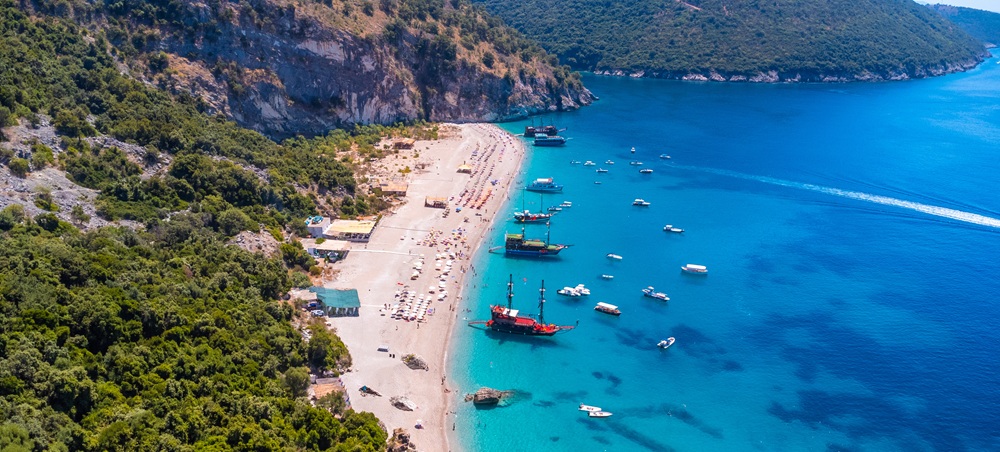
Gjipe is one of the more difficult beaches to access, but well worth it. At the mouth of a canyon, it’s reached either by boat or a rough track and a walk. Coves such as Kakomë and Krorëz are also only accessible by boat or on foot, making them good options for a quieter stretch of coast. Inland you’ll find the Blue Eye, a spring that bubbles up an extraordinary shade of blue, and Butrint, a ruined Greek and Roman city.
One of our most popular ways to experience this coastline is our Corfu & Albania Taster, combining time in Albania with a stay across the water in Corfu.
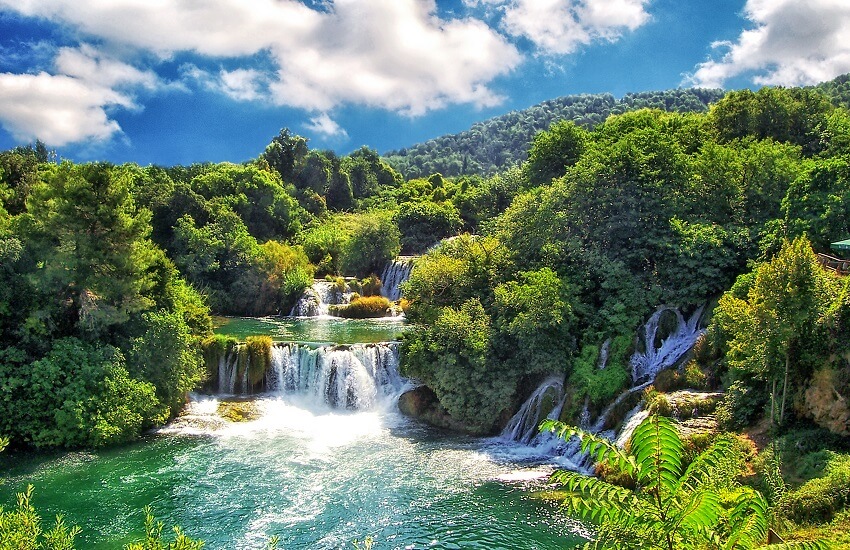
Plitvice is Croatia’s oldest and largest national park. Its sixteen terraced lakes are linked by numerous waterfalls and cascades, with wooden boardwalks winding between them. The colours shift constantly between turquoise, emerald and deep blue depending on the light and the minerals in the water.
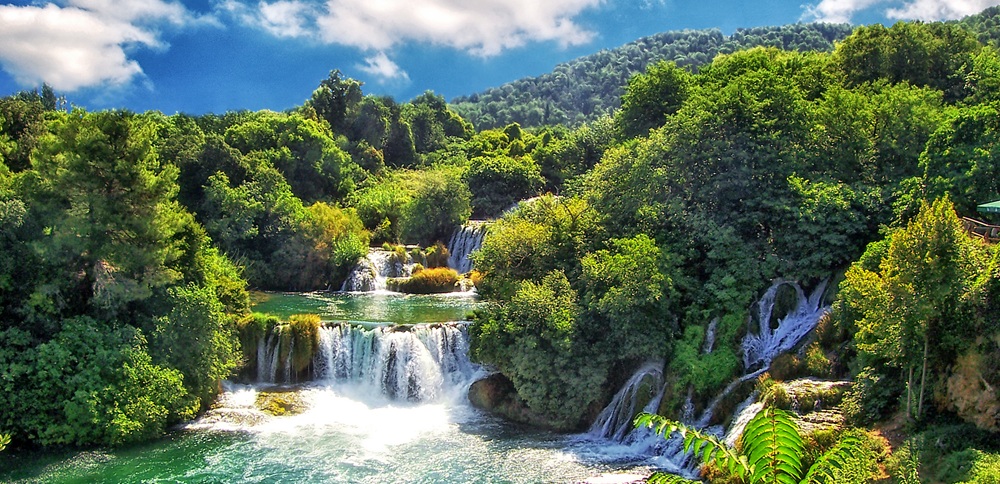
A must-see is Veliki Slap, Croatia’s tallest waterfall, at the end of the Lower Lakes. The Upper Lakes have a gentler, greener feel, with more cascades, wooded paths and generally fewer visitors.
Bear in mind that swimming isn’t allowed anywhere in the lakes, so bring your trainers rather than your swimming costume! Plitvice can also be worked into many of our Croatian itineraries, as featured in our Complete Croatian Experience package.
Berat and Gjirokastër are Albania’s two great Ottoman towns, both UNESCO-listed and located only 2 or 3 hours apart, making them perfect to combine on a multi-centre holiday.
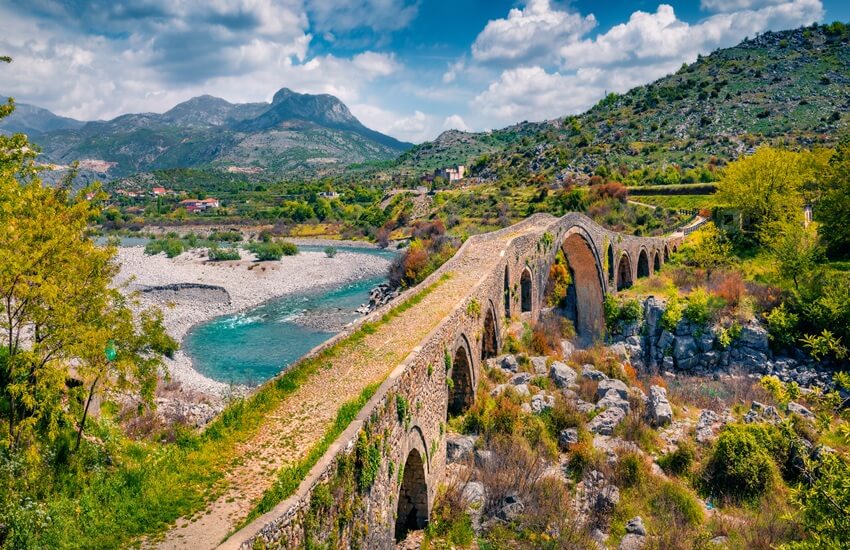
Berat is known as the City of a Thousand Windows, thanks to the tiers of white Ottoman houses stacked across the hillside in the Mangalem quarter. For the best view, cross the old stone bridge to Gorica, before heading up to Berat Castle, a small walled settlement where people still live among cobbled lanes and historic churches.
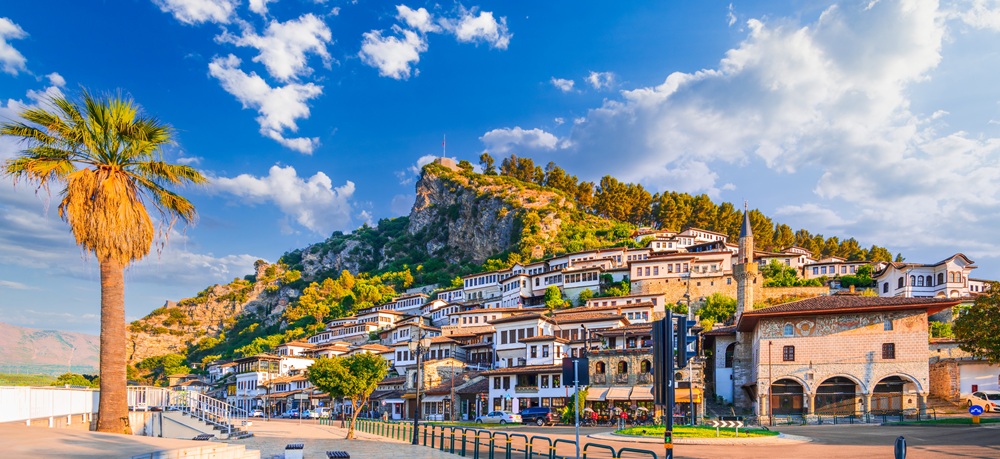
Gjirokastër, around 2 ½ hours’ drive south through the mountains, is known as the City of Stone. Its steep streets, heavy stone roofs and imposing castle give it a very different feel to Berat. Below the castle, the Old Bazaar is a great place to wander, while the beautifully preserved Zekate and Skenduli houses offer a glimpse inside the town’s traditional Ottoman architecture.
To explore both towns as part of a longer trip through the country, take a look at our Albania Explorer & Corfu adventure.
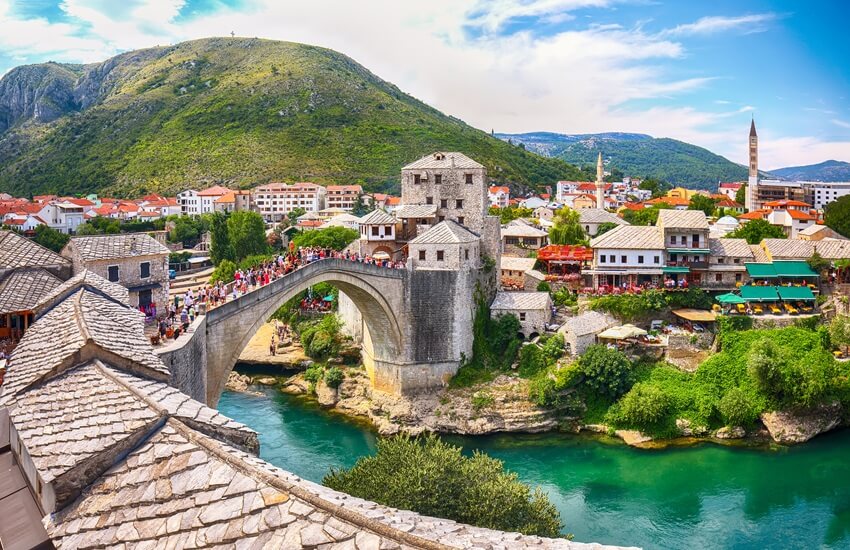
Mostar is one of the most striking places in the Balkans. Set in a valley in Herzegovina, where the Neretva River cuts through the middle of town, it’s a place of minarets and church towers, cobbled lanes and Ottoman stone houses, with mountains on every side.
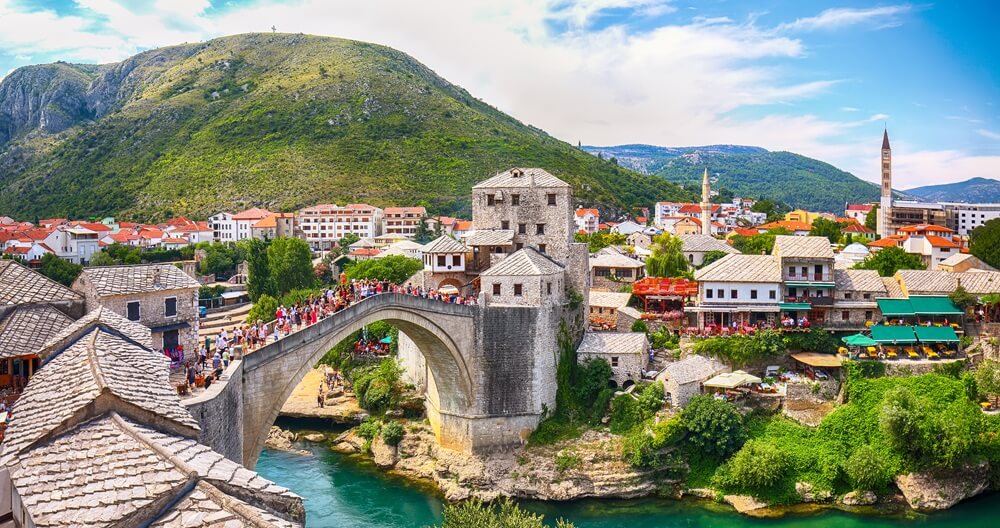
At its centre is the Stari Most, the beautiful single-arched bridge built by Ottoman stonemasons in 1566. Destroyed during the war in 1993, it was painstakingly rebuilt and reopened in 2004. Local divers still leap from the bridge into the river below, a long-standing tradition. Around the bridge, the Kujundžiluk bazaar is a lovely place to wander with its stone-roofed shops filled with local copper coffee sets and handmade crafts. Climb the minaret of the Koski Mehmed Pasha Mosque for a great view over the bridge, taking in the river below, the stone rooftops of the old town and the mountain backdrop. Mostar is a popular day trip from both Dubrovnik and Split, but it really comes into its own if you stay overnight once the day visitors have gone, which is why we include it in our Dubrovnik, Mostar & Split holiday.
Lake Ohrid is one of the oldest and deepest lakes in Europe, surrounded by hills with the lively town of Ohrid sitting along its shores. Its cobbled streets, red roofs and Byzantine churches give the old town plenty of character. Sveti Jovan Kaneo is the best known, perched on a cliff above the lake and particularly beautiful at sunset, while Tsar Samuel’s Fortress offers wonderful views across the water.
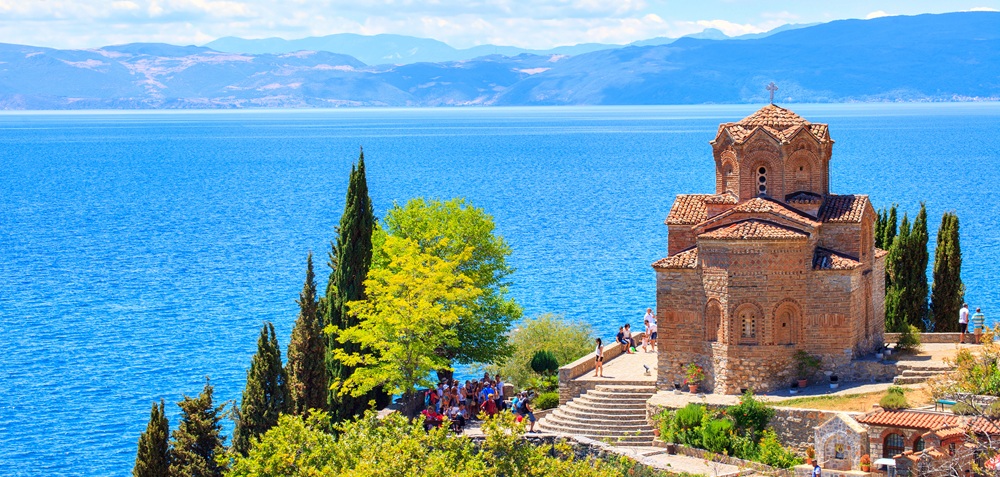
Much of the pleasure of Ohrid, though, is simply being beside the lake. A wooden boardwalk runs from the harbour towards Kaneo, passing swimming platforms and little coves along the way. Further south you’ll find beaches and old fishing villages, while boat trips run to Sveti Naum, a tenth-century monastery in a beautiful lakeside setting. If you time your visit right, the Ohrid Summer Festival brings music to the town during summer.
Ohrid also combines particularly well with Albania, as you can see in our Albania & North Macedonia itinerary.
The Balkans are perfect for a twin centre or multi centre holiday. Dubrovnik and Kotor are only a couple of hours apart, albeit with a border crossing, and from Split you can easily hop around the Dalmatian islands. Slovenia, Bosnia, Albania and North Macedonia are great options if you want something a bit different. For inspiration, take a look at our Balkans multi centre holidays and Croatia multi centre holidays, or simply get in touch with our team, and we can build something to fit your exact requirements.
Inspired by the guide? We’ve handpicked a few holidays that bring it to life—perfect for turning travel ideas into reality.