 01706 753 636


There’s something about Italy that is simply irresistible. The effortless charm. Quite possibly the best food in Europe. The millennia of history and architecture. Home to more UNESCO World Heritage Sites than anywhere else in the world. Whether you’re exploring the iconic sights of Ancient Rome, the canals of Venice, the Renaissance art masterpieces in Florence or the pizza of Naples, it really does have it all.
We’ve narrowed down our ten favourite Italian cities. Here’s where to go…
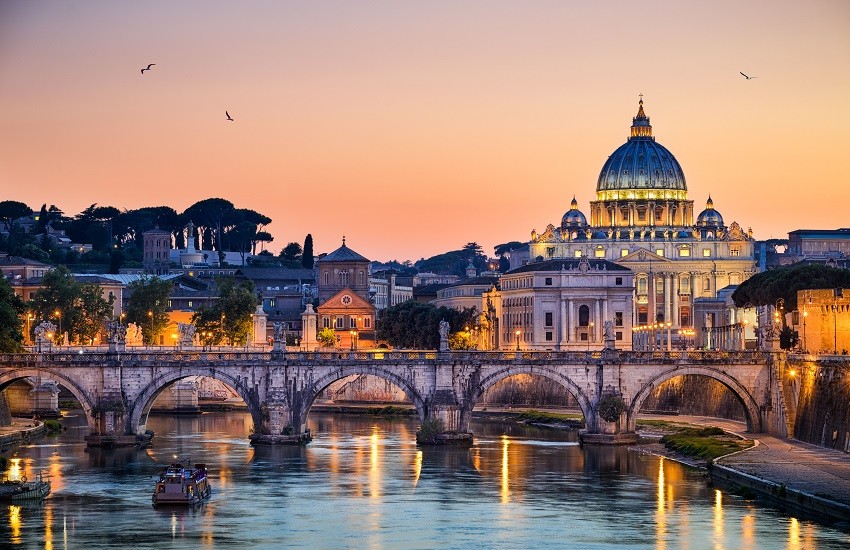
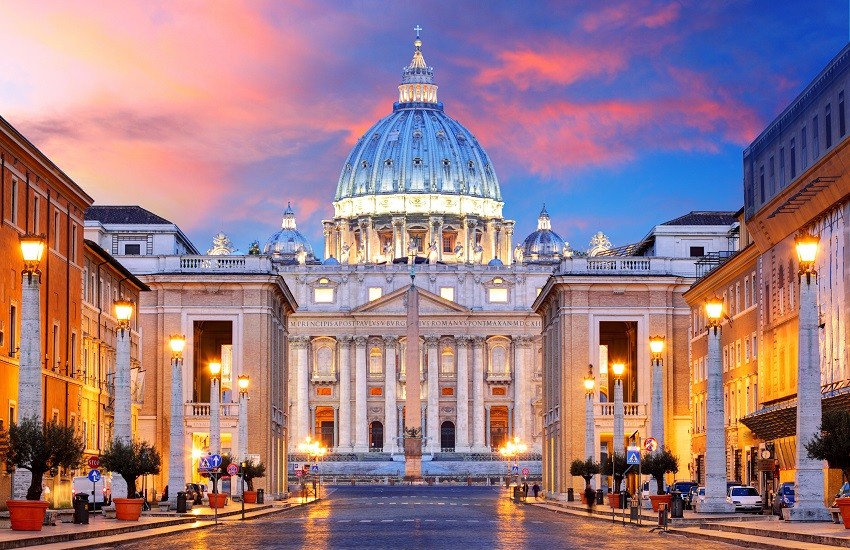
Nowhere does ancient history quite like Rome, with iconic buildings including the Roman Forum, the Colosseum, and the Pantheon, still with its original dome intact after nearly two thousand years. There’s also the Vatican, which is technically its own country and where you’ll find two incredible sights: St Peter’s Basilica and Michelangelo’s Sistine Chapel.
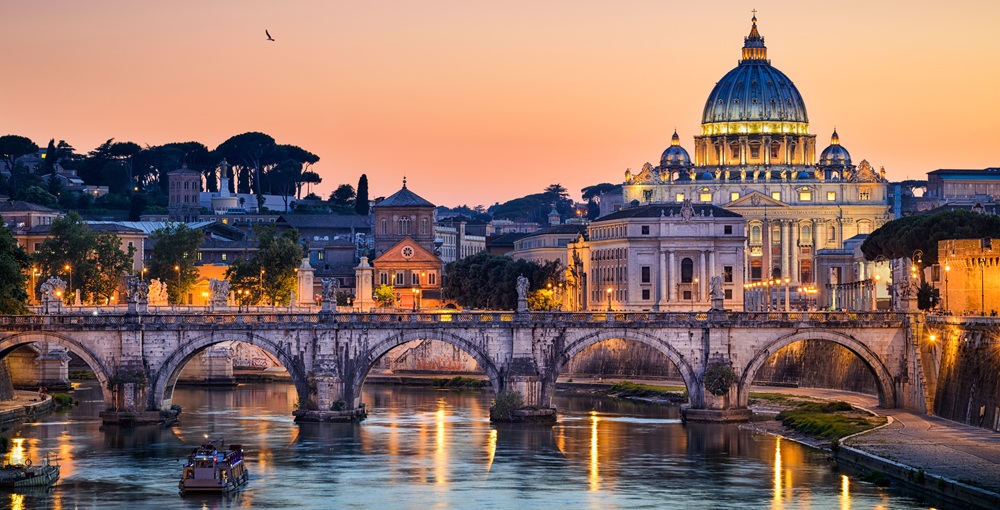
The streets around the Spanish Steps and Trevi Fountain are lively all day, but the fountain is at its best after dark, when the lights come on, and the marble glows. Trastevere, just across the river, is full of brilliant restaurants and bars tucked down cobbled side streets and has a more local feel. And when you need a break, the beautiful Villa Borghese gardens are perfect for a wander, with views over the city from the Pincio Terrace.
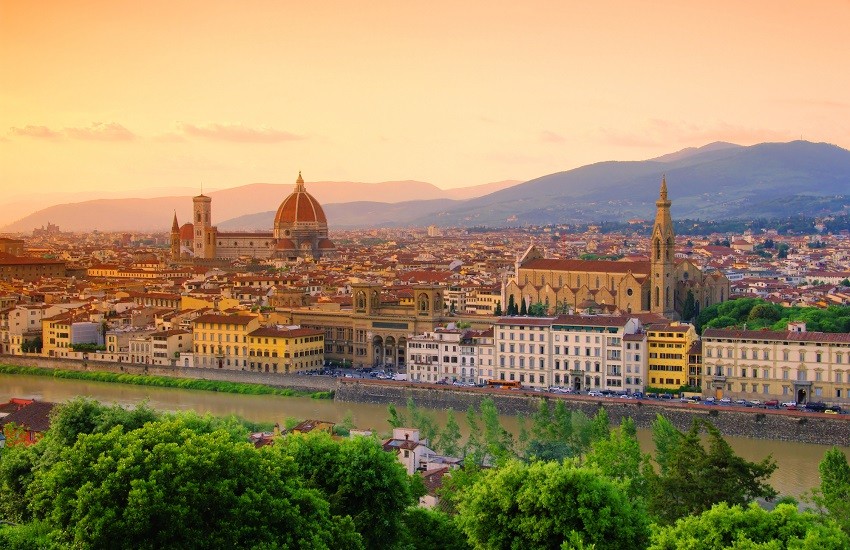
If Rome is all about ancient history, Florence is the city for art lovers. Small and easy to explore on foot, the city is elegant without feeling overwhelming. The River Arno runs through its heart and, on a clear day, the surrounding Tuscan hills provide a magical backdrop.
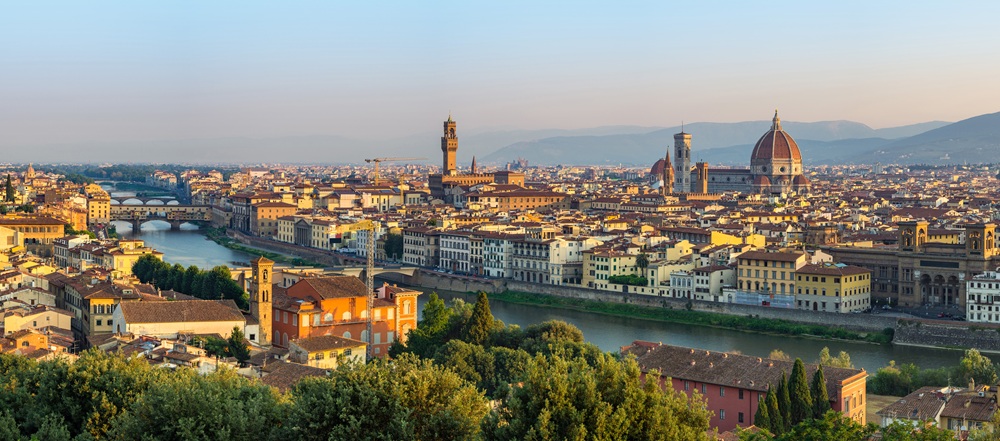
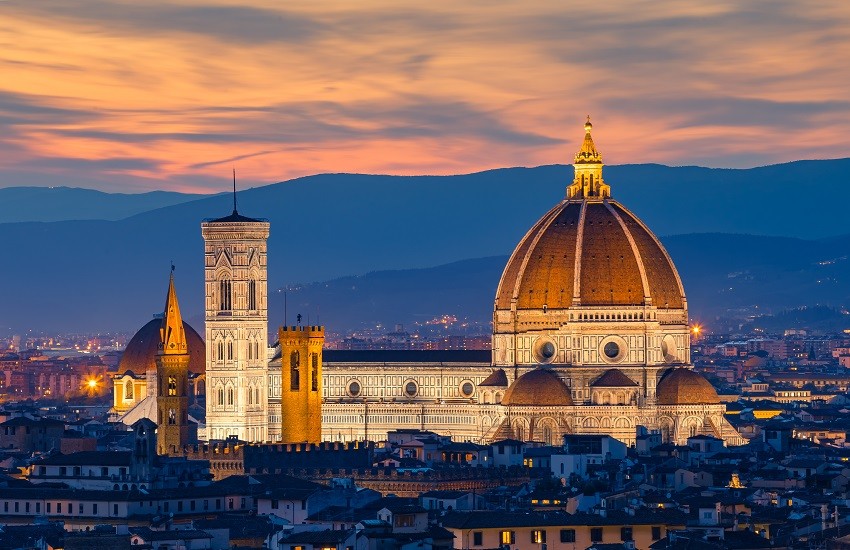
As the birthplace of the Renaissance, Florence is home to more than 80 museums filled with extraordinary works of art. The Uffizi Gallery is the obvious starting point, housing masterpieces by Botticelli, Leonardo da Vinci and Raphael. The Accademia is equally impressive, and where you’ll find Michelangelo’s David. One sight you can’t miss is the Duomo, which is crowned by Brunelleschi’s terracotta dome. This eight-sided shell of red-orange brick can be seen across the city and was a feat of engineering when it was constructed. Climb the 463 steps to the top for a view that stretches across the rooftops to the Tuscan hills.
What makes any visit to Florence truly special, though, is simply wandering. Ancient churches, grand piazzas, colourful market stalls around San Lorenzo, jewellery shops spanning the Ponte Vecchio and candlelit trattorias serving delicious Tuscan dishes.
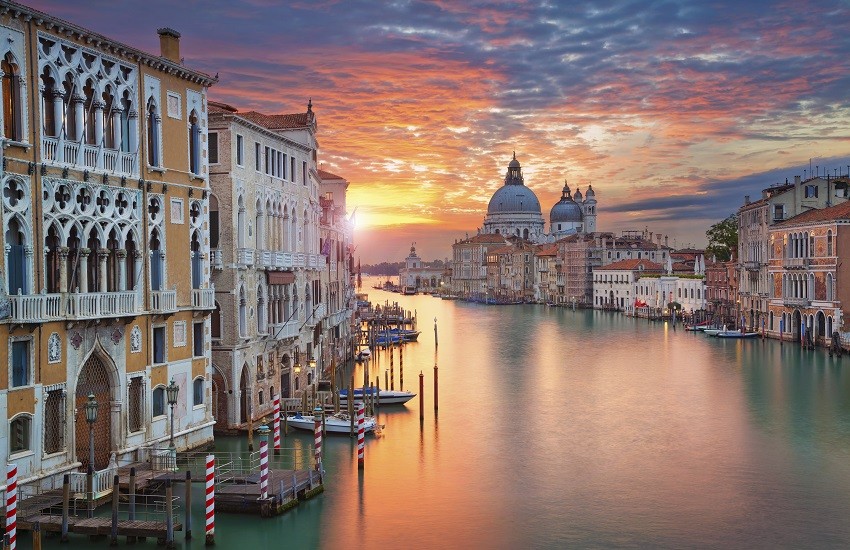
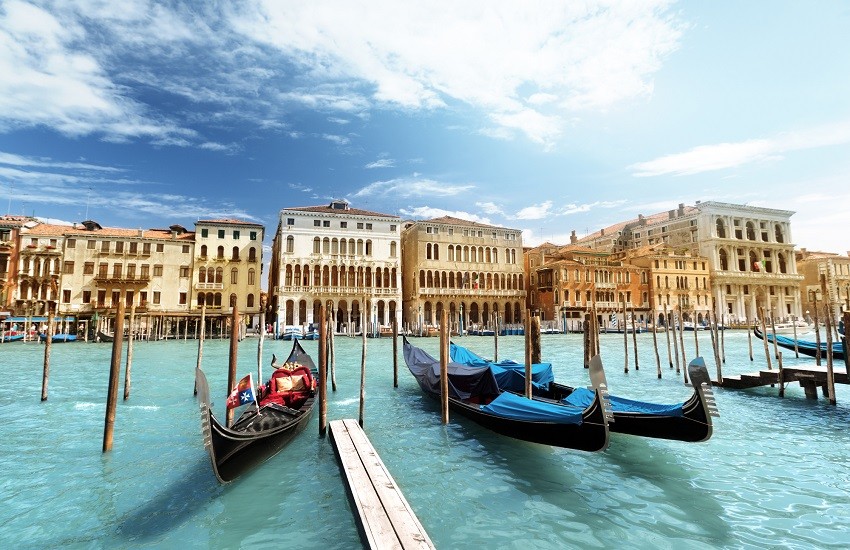
Venice is one of the most romantic cities in the world. Built across more than 100 islands and threaded by endless canals, its small traffic-free streets sit alongside the canals and are perfect for strolling, gelato in hand. You’ll stumble across the Bridge of Sighs, the Rialto Bridge and the magnificent Palazzo Ducale, otherwise known as the Doge’s Palace, with impressive rooms and art aplenty.
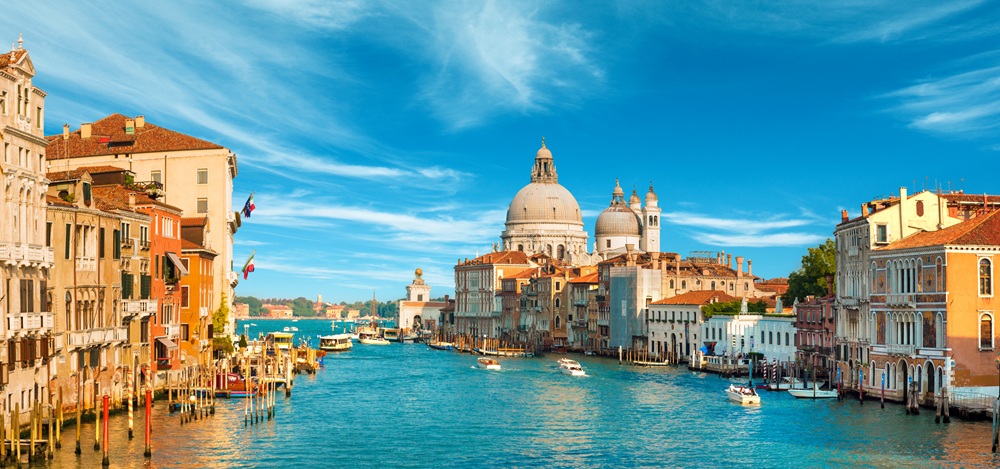
St Mark’s Square is at the heart of the city. Here you’ll find St Mark’s Basilica, with its golden mosaics, and the Campanile, which you can ascend for brilliant views over the rooftops and lagoon. Grabbing a coffee at one of the cafés around the edge of the square and watching the world go by is a must-do. It’ll be one of the more expensive coffees you’ve ever had, but definitely worth it for the full experience!
Getting around on foot is easy, but there are also plenty of water taxis, and of course, the classic gondolas with serenading gondoliers. The bustling fish markets of San Polo at dawn and the independent bookshops of Castello are also worth a visit. And no visit to Venice is complete without a stop at Harry’s Bar, the small, wood-panelled institution near St Mark’s Square where the Bellini cocktail was invented in the 1940s.
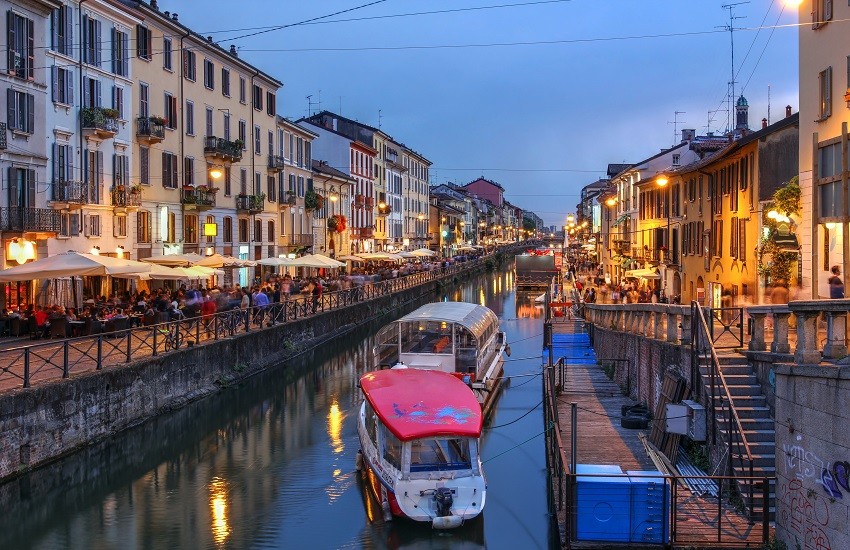
There’s a lot more to Milan than the fashion and the designer boutiques, although if a high-end handbag is on your shopping list, you’ll have come to the right place. The city is home to stunning architecture, glamorous Art Deco buildings, covered markets and galleries, and the Navigli, a network of beautiful historic canals lined with bars, restaurants and independent shops. Leonardo da Vinci’s Last Supper is housed here, too, in the refectory of Santa Maria delle Grazie.
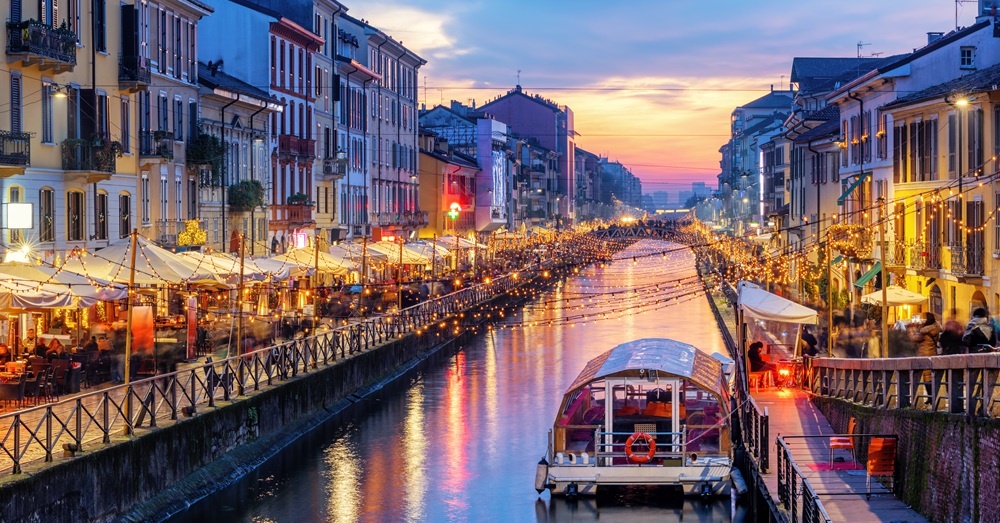
The Gothic cathedral, the Duomo, is an absolute must-see, although you’d be hard pushed to miss it! It took nearly six centuries to complete, and the detail is extraordinary. Climb the 250 or so steps to the rooftop terrace (or take the lift) and you’ll get a wonderful view over the city. On a clear day, you can see all the way to the Alps. The Piazza del Duomo below is a buzzing square, lined with bars and cafés, perfect for an Aperol Spritz. And if you want fast food with a view, the McDonald’s on the corner of the piazza has an unobstructed view upstairs straight across to the Duomo’s façade. Quite possibly the most spectacular fast food view in the world!
It may not be on the usual Italian tourist trail, but Bologna is another Italian gem. Thanks to the oldest university in the Western world, founded in 1088, the city has a young, lively feel, and it’s less touristy than other major Italian cities. It’s also great for foodies, unofficially known as the food capital of Italy and the birthplace of ragù alla bolognese. The covered markets and food stalls around the centre are wonderful for tasting local specialities such as mortadella, fresh tortellini and Parmigiano, and the restaurant scene across the city is outstanding.
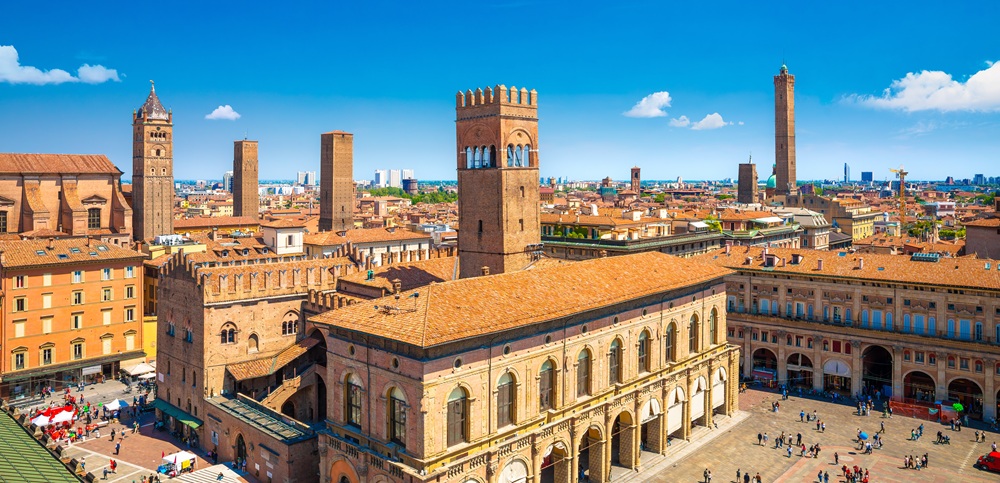
Beyond the food, there’s plenty to explore. The whole city glows a burnt orange colour. Built largely from local brick and terracotta, it has two leaning towers and around 62km of porticoes, including twelve representative groups recognised by UNESCO. These covered walkways are lined with shops, cafés and bars, so you can cross most of the city without ever getting rained on if the weather isn’t on your side. Piazza Maggiore is home to the enormous San Petronio Basilica on its south side, which is famously half-finished and contains the world’s longest indoor sundial.
For most people, Verona means one thing: Romeo and Juliet. But Shakespeare’s most famous setting is actually one of Italy’s most underrated cities, full of colour, Roman history and some very good wine.
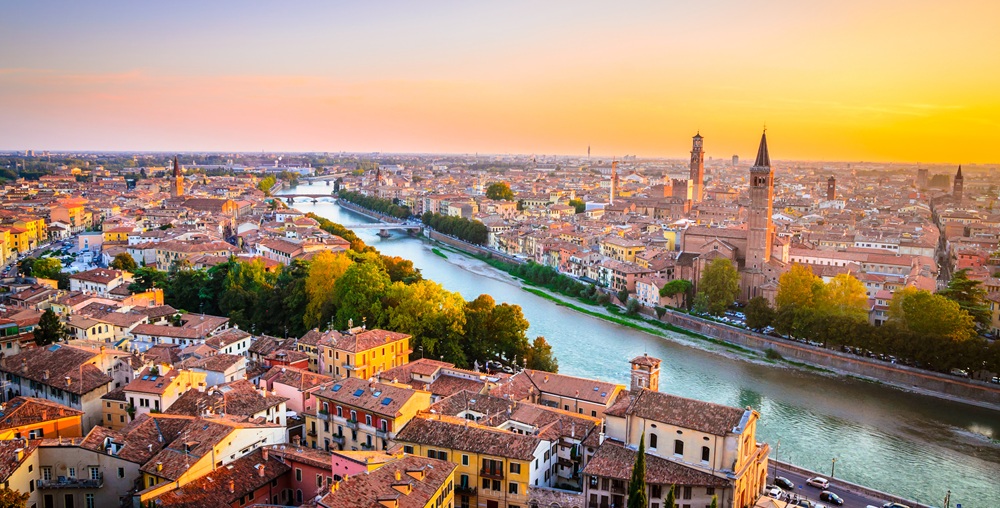
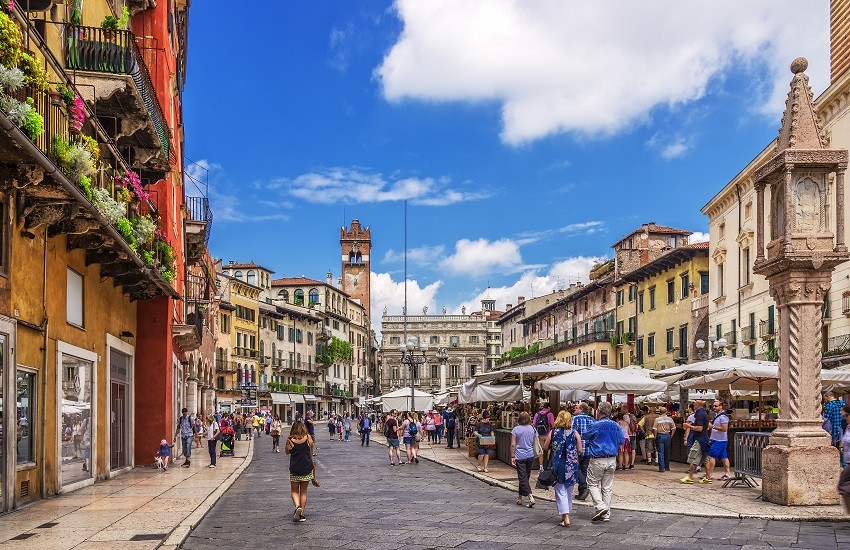
You can visit Juliet’s House in the old town, complete with the famous balcony overlooking a small courtyard, which is covered in love notes left by visitors. But there’s much more to explore than Shakespeare. The Roman Arena in Piazza Bra is remarkably well preserved, older than Rome’s Colosseum in fact, and hosts one of Europe’s best open-air opera festivals every summer. The Lamberti Tower has sweeping views over the rooftops. And Piazza delle Erbe, the colourful old market square with its fountain and medieval buildings, is a lovely spot for a glass of the local Valpolicella.
Naples is loud, busy, a little rough around the edges, and addictively charming. If you try one thing in Naples, make it pizza. Naples is considered the birthplace of modern pizza, and with its soft, puffy-edged crust and simple toppings, trying one here is an absolute must. When it comes to sightseeing, the National Archaeological Museum is one of the best in the world, housing a fascinating collection of Roman artefacts rescued directly from Pompeii.
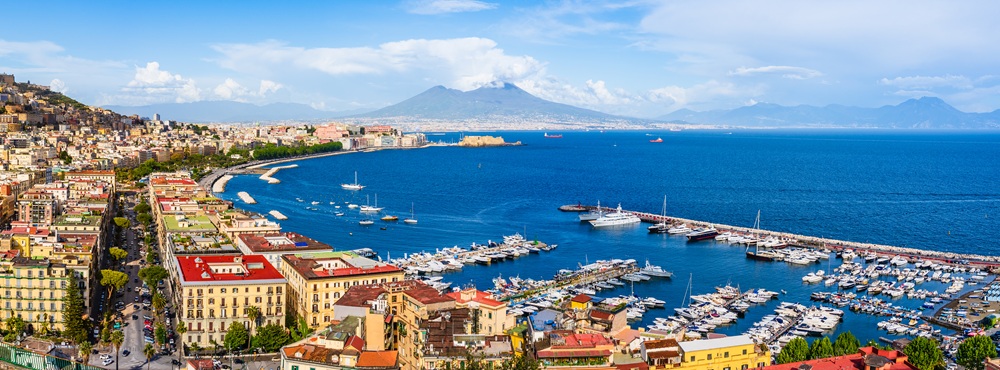
Piazza del Plebiscito is one of Italy’s grandest squares, the hilltop Castel Sant’Elmo has wonderful views across the bay, and the narrow streets of the historic centre, a UNESCO World Heritage Site, are full of Baroque churches and courtyards. Naples is also the obvious base for day trips, with Pompeii and Herculaneum both easy to reach by train, and the Amalfi Coast not far away either.
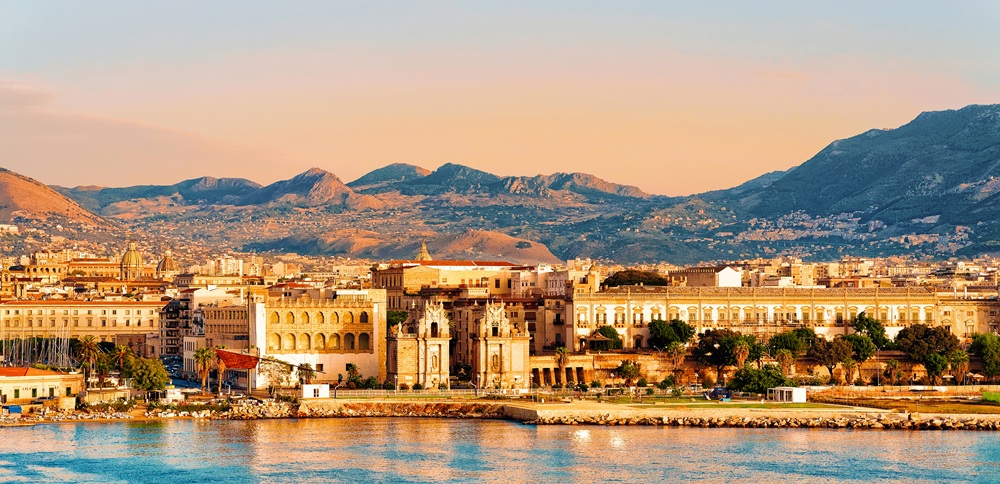
On Sicily, the island’s capital Palermo sits on the north coast, backed by mountains and facing the sea. Having been ruled by successive civilisations, it’s a fabulous mix of influences with Byzantine mosaics, Baroque palaces, medieval alleys and some of the best street food in Italy. The main sight is the Palazzo dei Normanni, a UNESCO-listed royal palace dating back to Norman times, and inside it the 12th-century Palatine Chapel, where the walls and ceilings are covered in golden Byzantine mosaics. From there, you can walk down Corso Vittorio Emanuele, past Palermo’s cathedral, to the Quattro Canti, the ornate Baroque crossroads at the heart of the old city.
The Ballarò and Capo markets are loud, chaotic and completely brilliant, and they’re the best place to try Palermo’s famous street food, cooked at stalls right in front of you. Favourites include panelle (chickpea fritters) and arancine (fried rice balls).
Even if you’re not seeing a performance, the Teatro Massimo, one of the largest opera houses in Europe, is worth a short guided tour with its grand columns, sweeping marble staircase and gilded auditorium. And when the sun is setting, the marina at La Cala is the ideal place to head to, where you can enjoy a drink at one of the waterfront bars, watching the boats and yachts bob in the old harbour.
In Italy’s northwest corner with the Alps on its doorstep, Turin is a city full of elegant boulevards, grand Baroque architecture, miles of covered arcades and a fabulous café culture. The museums here are world-class. The Museo Egizio, the Egyptian Museum, holds the largest collection of Egyptian antiquities outside Egypt. The Mole Antonelliana, Turin’s most recognisable landmark, started life as a synagogue in 1863 and now houses the National Cinema Museum. Take the glass lift up to the terrace at the top for views across the city.
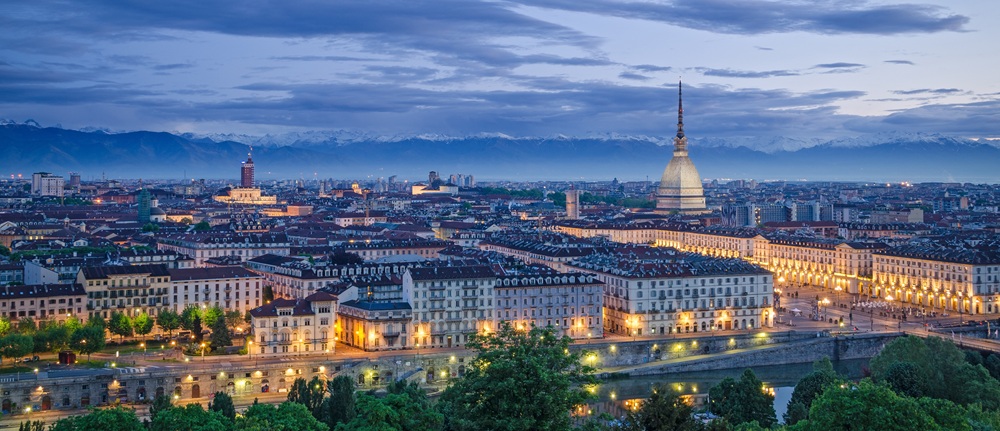
The Royal Palace is a UNESCO World Heritage Site, and Valentino Park along the Po is a lovely spot for an afternoon stroll. Turin is also the birthplace of gianduja, the hazelnut chocolate tradition that inspired Nutella. The city’s historic cafés are very proud of this, and their hot chocolate is absolutely delicious. Or follow the locals’ lead and order a bicerin – a layered mix of espresso, hot chocolate and cream.
Many visitors spend a couple of hours in Pisa, take the obligatory photo with the tower and head back to Florence. But if you stay a bit longer, you’ll find there’s much more to explore.
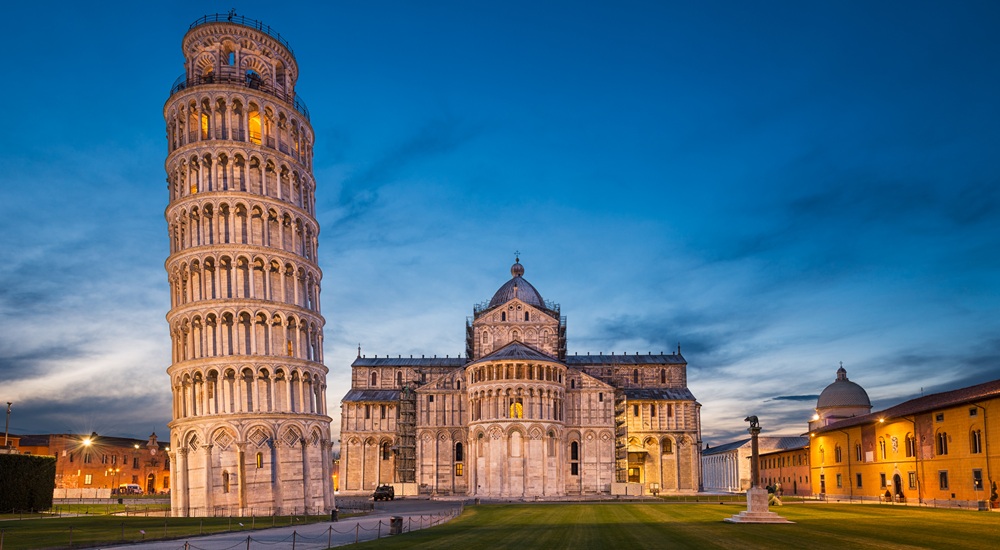
The leaning tower is in the middle of Piazza dei Miracoli. It does tend to get busy, so getting there early is advisable. The back of the tower is the best place for the photo as it tends to be quieter and gives you a closer, more dramatic angle on the lean itself. The Cathedral alongside the tower is one of the finest Romanesque buildings in Italy, and the Baptistery, the largest in the country, has incredible acoustics. Beyond the square, other highlights include the Piazza dei Cavalieri and the Lungarno promenade along the Arno, which is lovely at sunset. You’ll also find Keith Haring’s Tuttomondo mural, painted on the wall of a church near the city centre in 1989, which gives a lovely splash of colour against the ancient stone.
Italian city breaks are some of our most-booked itineraries. Whether you’ve been before or not, there’s always something new to discover. Browse our Italian multi-centre holidays today to find what you fancy, or get in touch for a tailored quote. And don’t forget to ask about our hotel recommendations. We’re just as picky as you are!
Inspired by the guide? We’ve handpicked a few holidays that bring it to life—perfect for turning travel ideas into reality.