 01706 753 636


The Indian Ocean has ‘island paradise’ down to an art – with stunning beaches, warm seas, and swaying palms. But once you scratch the surface, it quickly becomes clear that each island offers a very different experience. So, which one should you choose to visit?
Some islands are all about polished luxury and totally switching off, such as the Maldives. Others, including Zanzibar and Mauritius, work well if you want to balance cultural exploration with a bit of luxury and a beachside cocktail.
Then there are islands where the beaches are excellent, but not really the main draw. Madagascar’s appeal lies in its wildlife and sheer scale, while in the Seychelles, it’s the dramatic scenery and walking trails that tend to steal the show. Sri Lanka on the other hand offers a combination of culture, wildlife and relaxation. And on quieter islands such as Rodrigues, life still revolves around fishing boats, markets and lagoon tides, offering a more grounded take on the whole Indian Ocean experience.
From the most popular to the lesser-known spots, here’s our pick of the top Indian Ocean islands, who they suit best, and what you can expect beyond the beaches.
Maldives: Pure luxury and relaxation on idyllic private islands. Best for couples and honeymooners who want to do very little.
Mauritius: A great mix of beaches, mountains, markets, gardens and an excellent food scene. Great for families and anyone who likes to keep busy.
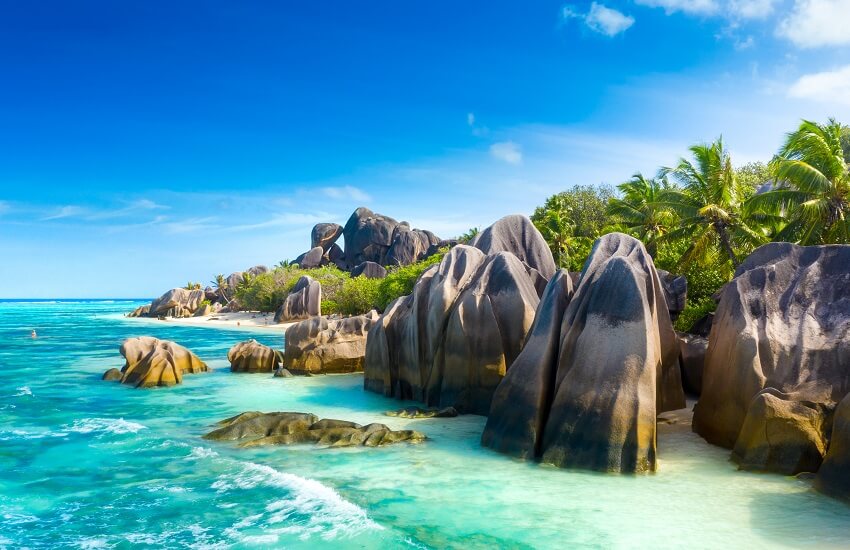
Seychelles: Dramatic jungle-clad islands with world-famous granite beaches and a slow pace. Suited to those who are looking for nature over lively nightlife.
Zanzibar: Culture, history and a distinctly East African vibe. Great if you’re looking for some character as well as coastline.
Sri Lanka: A colourful blend of culture, wildlife, temples, changing landscapes and golden beaches. Perfect if you want variety – from safaris and UNESCO sites to relaxing by the ocean.
Rodrigues: Quiet, unspoilt and refreshingly simple, with lagoon life and local life taking centre stage. Ideal for those happy to keep things at a slower pace.
Madagascar: Vast, unpredictable and genuinely different, with wildlife and landscapes found nowhere else on earth. Great if you’re looking for adventure, nature and value experience over luxury/convenience.
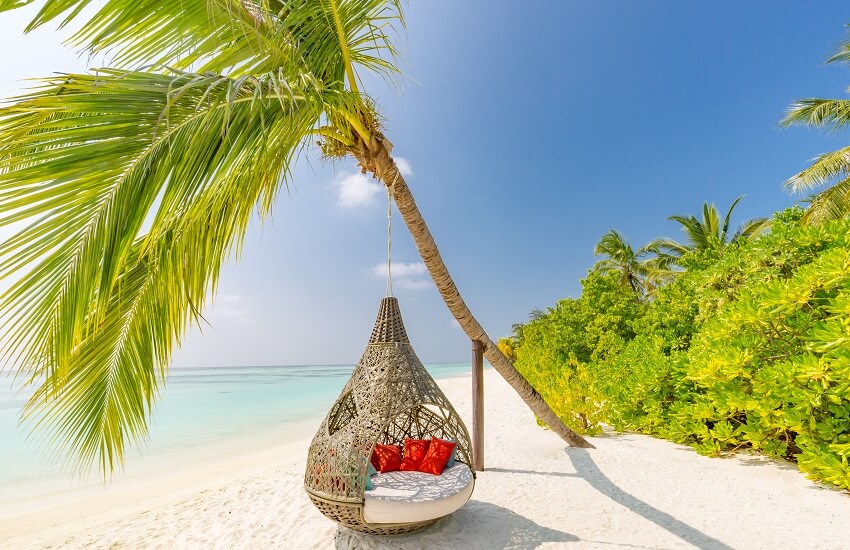
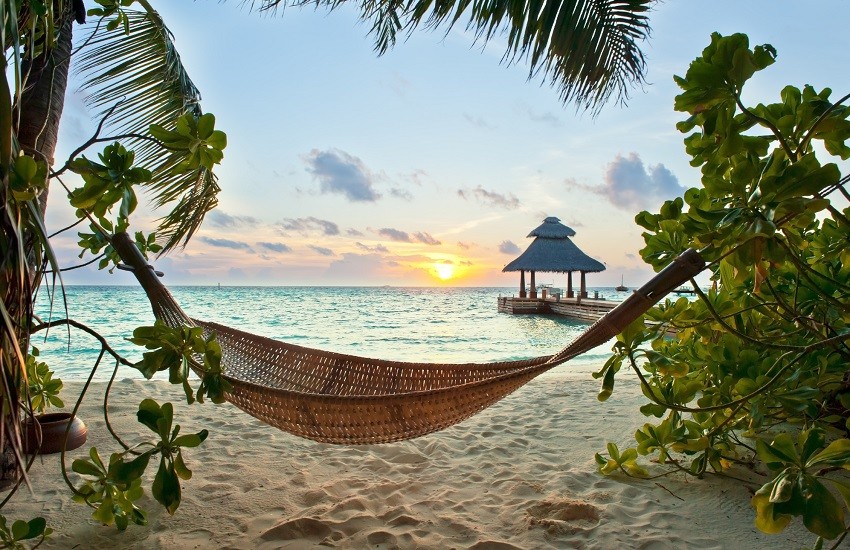
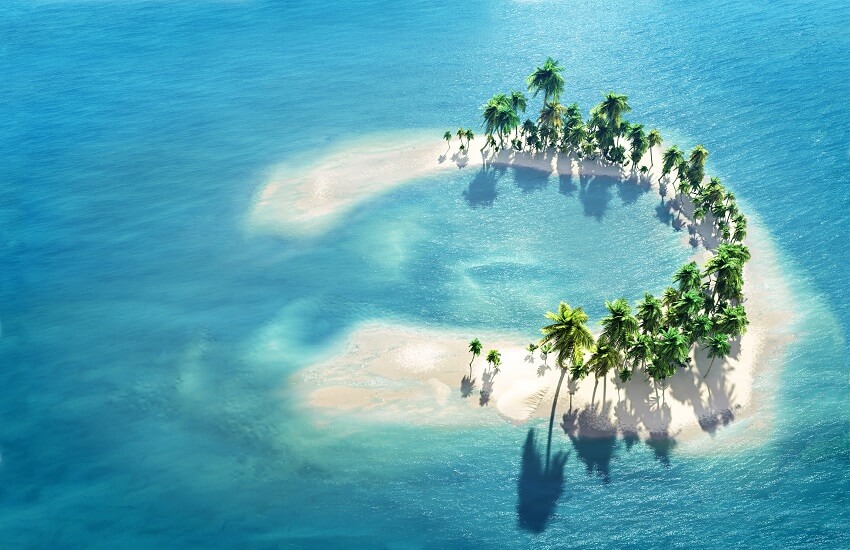
The Maldives is THE place to go to switch off completely. Ideal for honeymooners and anyone seeking serious R&R, it’s home to luxury resorts and some of the best diving and snorkelling in the world. Most resorts are all-inclusive, and many occupy entire islands, with some only accessible by speedboat or seaplane. The Maldives is not a budget destination, but it sets the benchmark for island luxury with excellent service and consistently high standards.
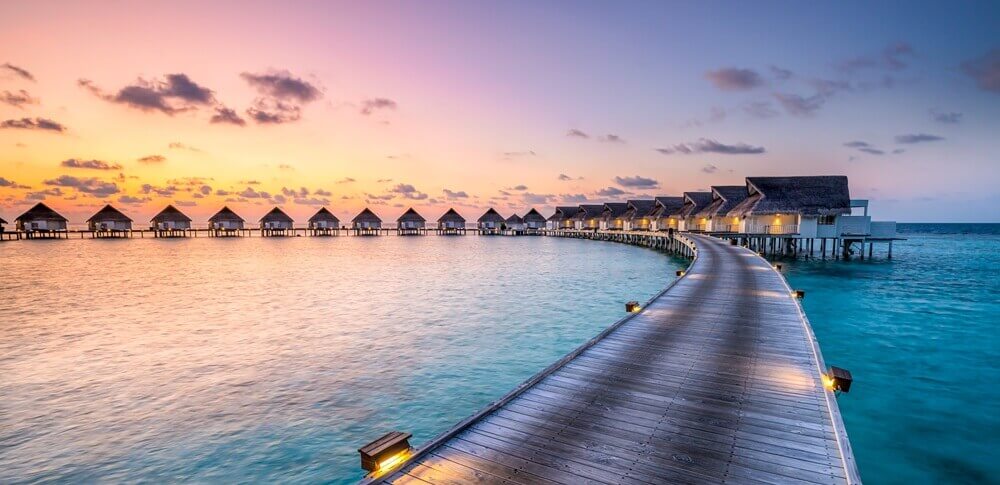
Beyond the beaches: The main draw of the Maldives is, of course, its stunning beaches, and whilst there’s not a great deal in the way of local culture to explore, there’s still enough to keep you occupied if you like to dabble in a bit of sightseeing. Some particular highlights include taking a boat trip to spot manta rays and whale sharks – particularly spectacular around Hanifaru Bay during the southwest monsoon season. Also, make sure you visit Malé – the small, colourful capital with its Old Friday Mosque and bustling fish markets. Many resorts offer trips to inhabited islands where you can meet locals and experience genuine Maldivian culture.
When to go: The Maldives is great year-round, but December to April tends to bring the calmest seas, while May to November is best for spotting manta rays and whale sharks.
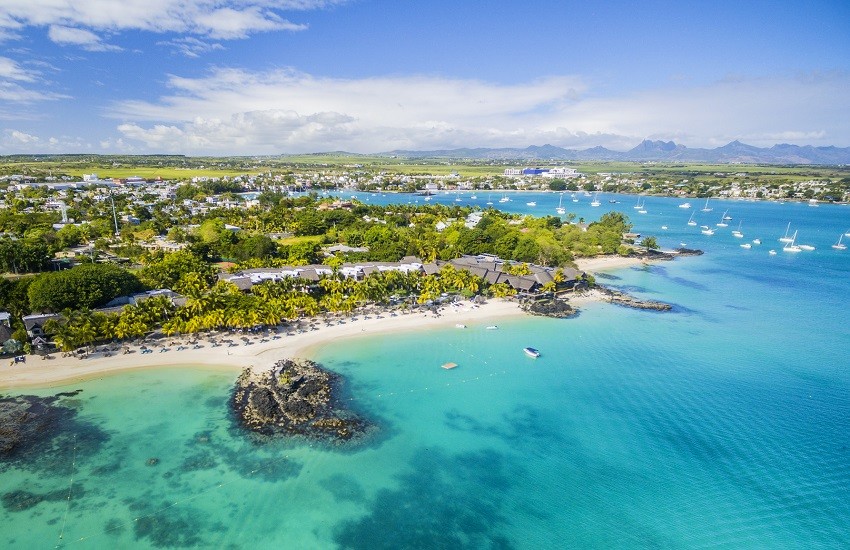
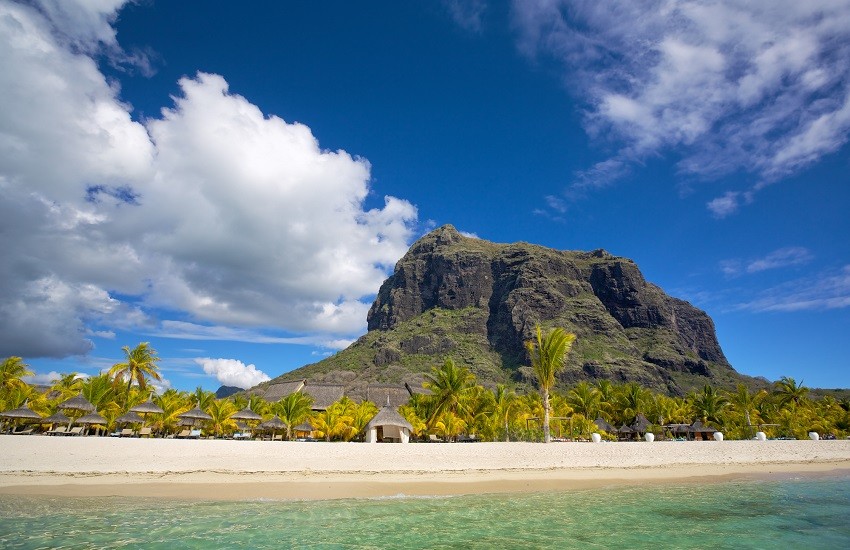
Mauritius has a little bit of everything, with stunning beaches, mountains, waterfalls, botanical gardens, and a fascinating cultural mix of Indian, African, Chinese, and French influences. With its friendly, laid-back atmosphere, it’s brilliant for families or anyone who gets a bit bored just lying on a beach. The food scene here is genuinely excellent, with proper local cuisine and a fabulous range of restaurants. The beaches on the west coast are generally calmer, whilst the east coast gets more wind (perfect for kitesurfing).
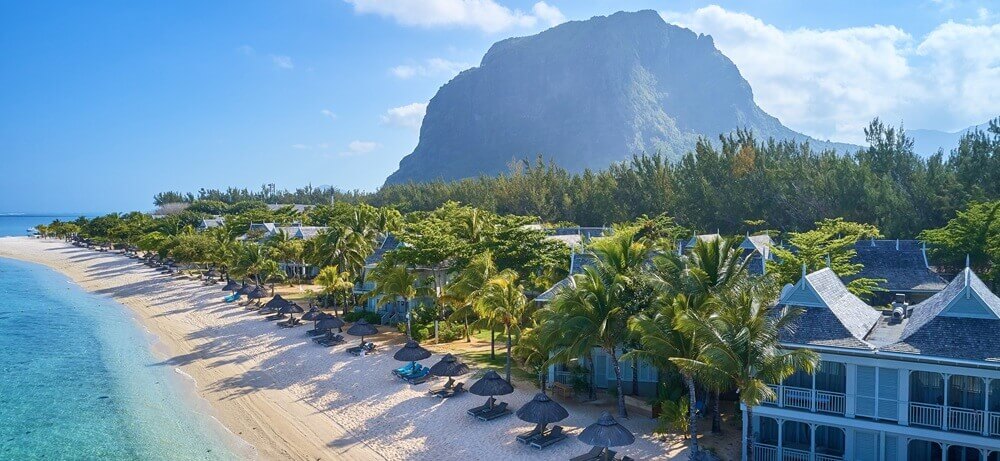
Beyond the beaches: Away from the coastline, the island’s interior is impressive and a must-see. We recommend hiring a car, but there are plenty of organised tours if that’s not your thing. The Black River Gorges National Park offers proper jungle trekking with waterfalls, endemic birds, and panoramic views. Also explore Port Louis, the capital of Mauritius, home to the Central Market and the Caudan Waterfront along the harbour. For something a little different, head to the Seven Coloured Earths at Chamarel, which is a collection of sand dunes in seven different colours (caused by volcanic rock cooling at various temperatures), plus you can cool off in the nearby Chamarel Waterfall. Mauritius is famed for its rum and tea, so make sure you tour a rum distillery or a tea plantation too.
When to go: The best time to visit Mauritius is during the drier months from May to October, when temperatures are slightly cooler, and conditions are ideal for exploring inland as well as the coast.
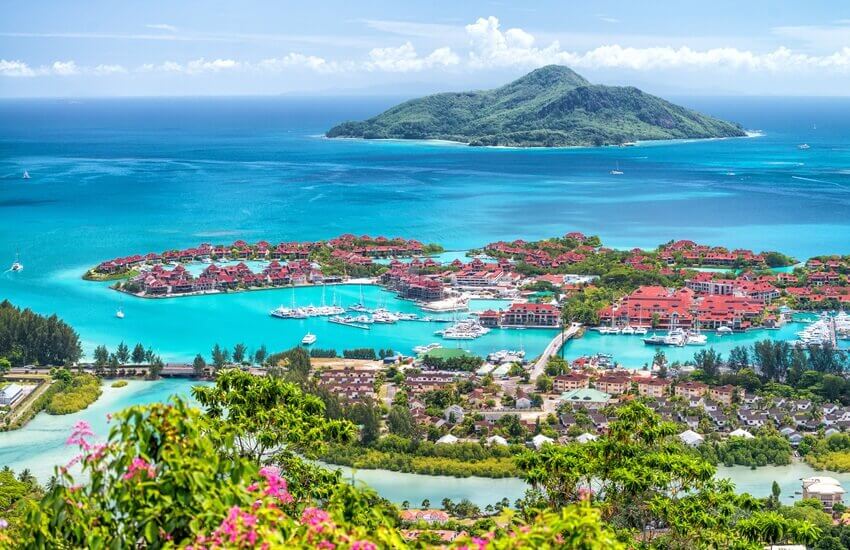
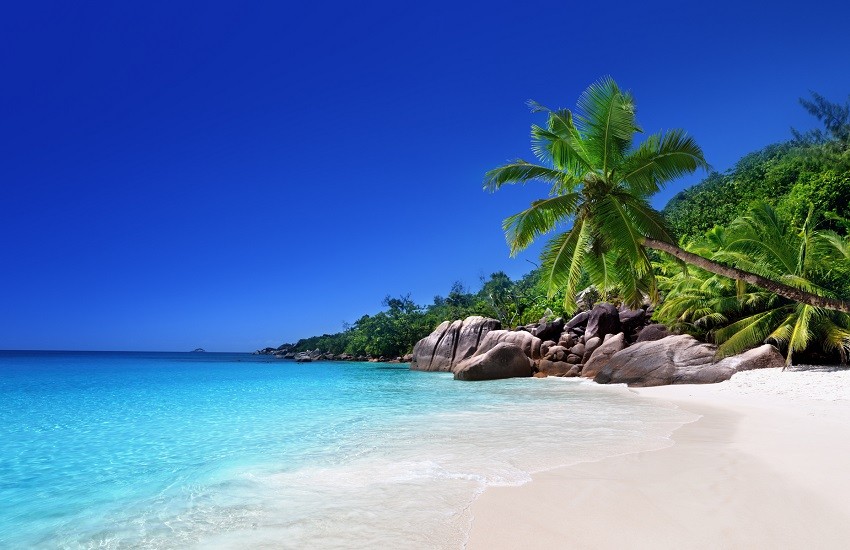
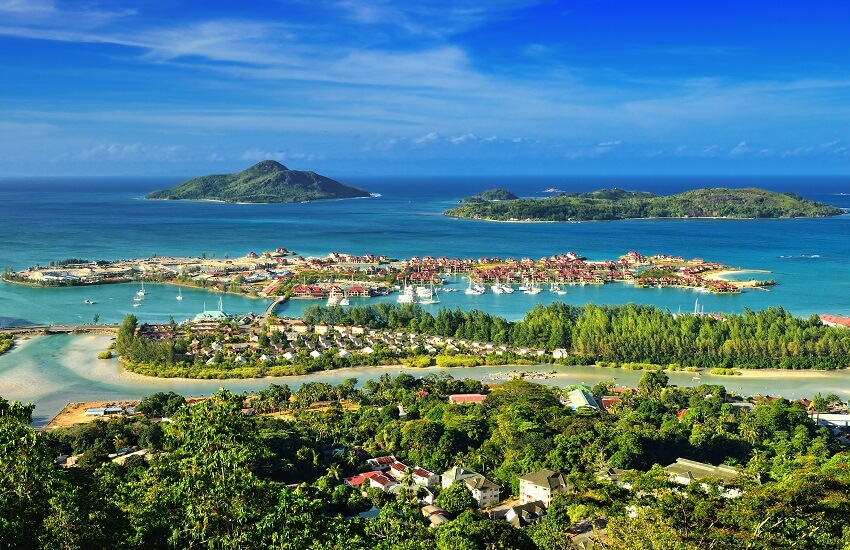
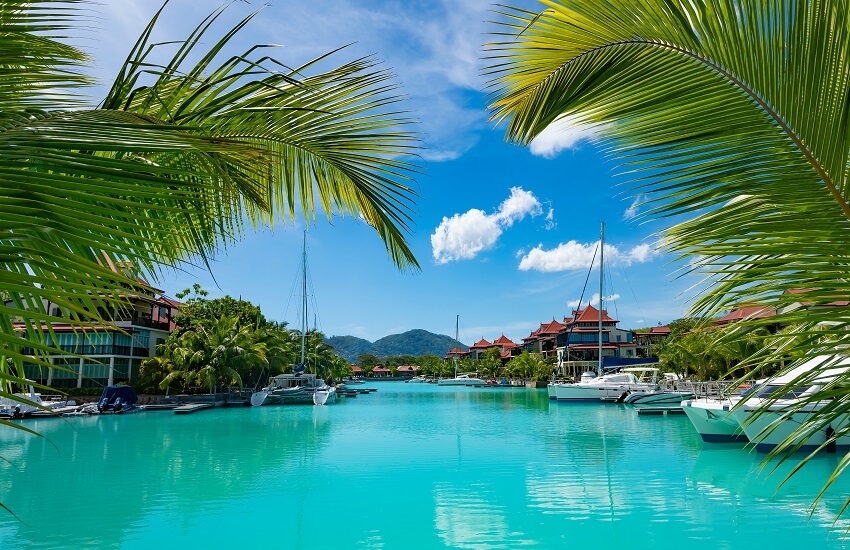
The archipelago islands of the Seychelles are dramatic with huge granite boulders, lush jungle, and picture-perfect beaches. The main trio of islands are Mahé, Praslin and La Digue, although the wider archipelago is dotted with private islands and uninhabited spots. There’s a real focus on slowing down here, and life in the Seychelles generally moves at a very gentle pace. In fact, on La Digue there are almost no cars, and most people get around by bike.
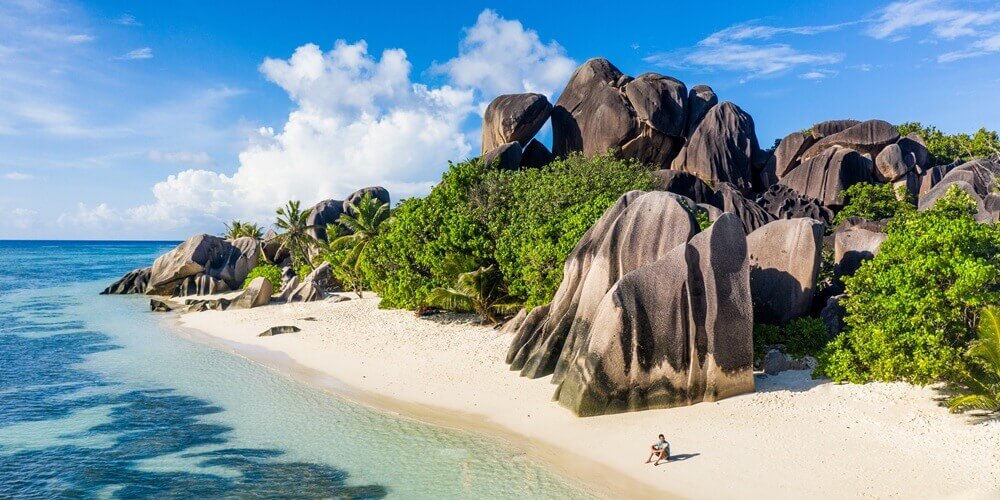
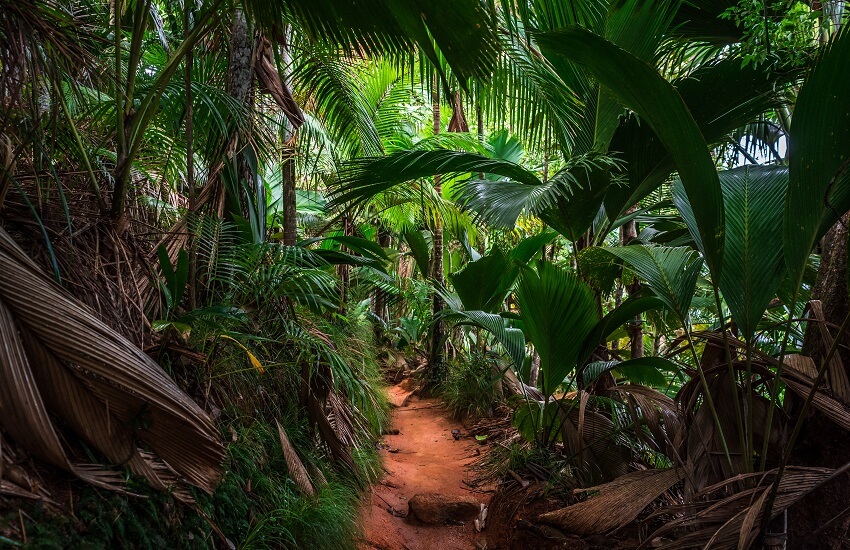
Beyond the beaches: With incredible biodiversity and one of the most varied landscapes in the Indian Ocean, there’s a lot to explore away from the beaches. The Vallée de Mai on Praslin is a primaeval palm forest home to the enormous coco de mer (the world’s largest seed) and rare black parrots. On Mahé, Morne Seychellois National Park offers excellent walking trails with great views and the historic Mission Lodge ruins. The capital, Victoria, offers local markets and a glimpse into the Seychelles’ Creole culture with its colourful produce and island life. As you might expect, the seas surrounding the islands are great for snorkelling and diving among coral reefs and tropical fish.
When to go: May to October is the most comfortable time to visit the Seychelles, with lower humidity and good conditions for walking, snorkelling and island-hopping.
Sitting in the Western Indian Ocean, Zanzibar isn’t just about beaches (although they’re lovely). It’s about history, culture, and a distinctly Swahili East African vibe. The beaches on the east coast (Paje, Jambiani) have a bohemian feel, with laid-back beach bars and kite-surfing schools. This side of the island also experiences dramatic tidal changes, where the sea can retreat hundreds of metres at low tide, revealing an almost lunar landscape. It’s fascinating to watch, but less ideal if you’re keen on all-day swimming! The north and west of the island (around Nungwi, Kendwa and Stone Town) are more developed, with larger resorts, calmer waters and far gentler tides, making them a great choice for swimming and sunset views.
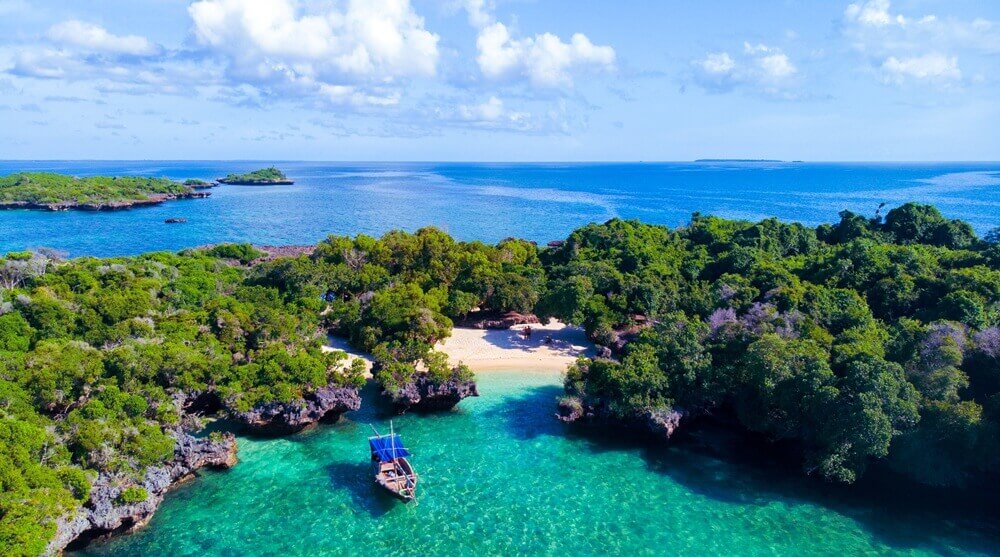
Beyond the beaches: Away from the coast, Zanzibar’s history as a centre of Indian Ocean trade means there is plenty to explore. Stone Town’s UNESCO-listed old quarter is a maze of narrow streets, carved wooden doors and weathered buildings, with key sights including the House of Wonders, the Old Fort and the former slave market, now an Anglican cathedral. The island’s long association with spices is still very much alive, and a guided tour will give you the chance to see cloves, vanilla, cinnamon and nutmeg growing at source. For something a little bit different, Jozani Forest offers elevated walkways through mangrove swamps and the opportunity to spot the endemic red colobus monkey. As the day winds down, a sunset dhow cruise is a lovely way to see the island from the water. Visiting Zanzibar is also ideal for combining with a safari on the mainland (Tanzania).
When to go: Zanzibar is best visited between June and October, or January to February, avoiding the long rains in April and May.
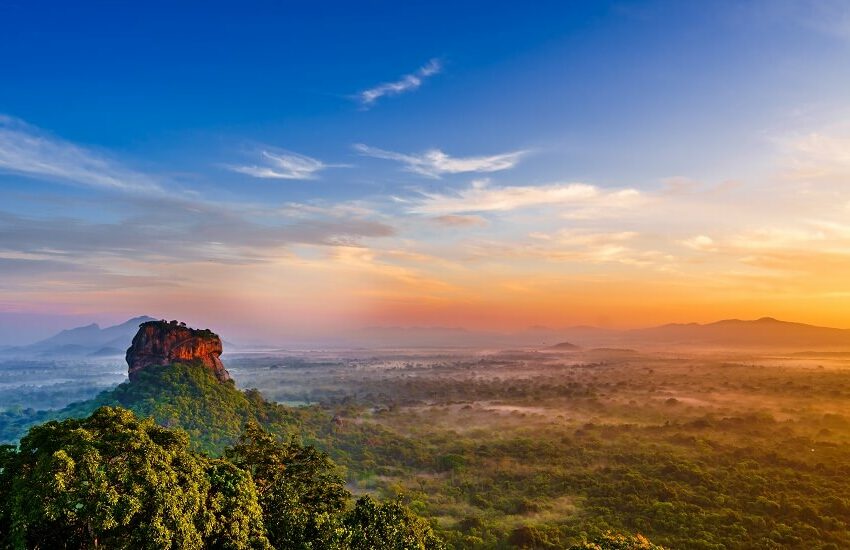
Sri Lanka does boast it all on one island – think ancient temples, lush tea plantations, wildlife-filled national parks, colonial towns, and long stretches of coast… all within a few hours’ drive of each other. It suits anyone who wants variety, the kind of trip where one day you’re watching elephants in the wild and the next you’re on a beach with a cocktail in your hand. It’s also one of the most affordable Indian Ocean destinations.
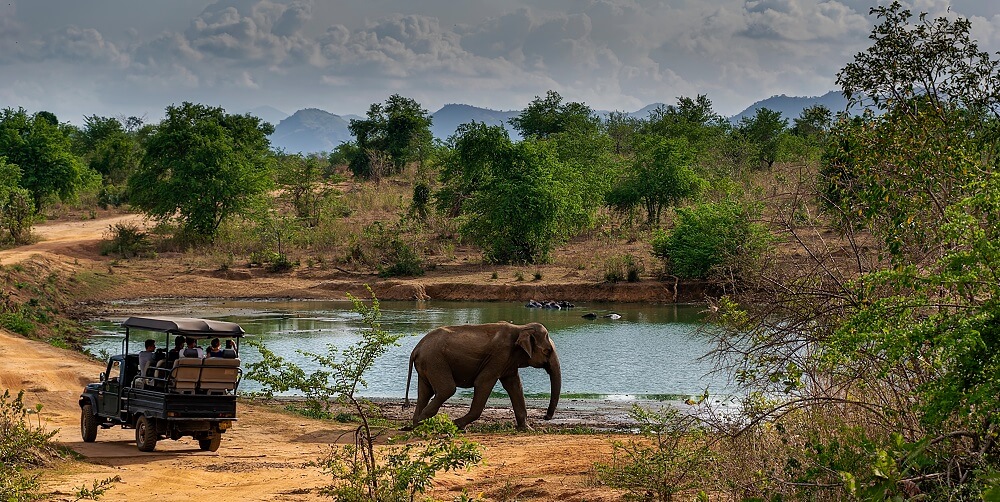
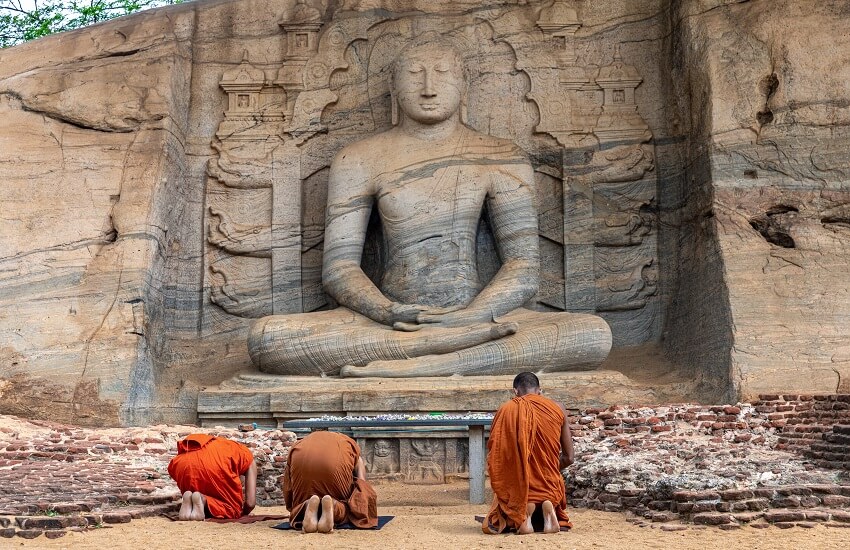
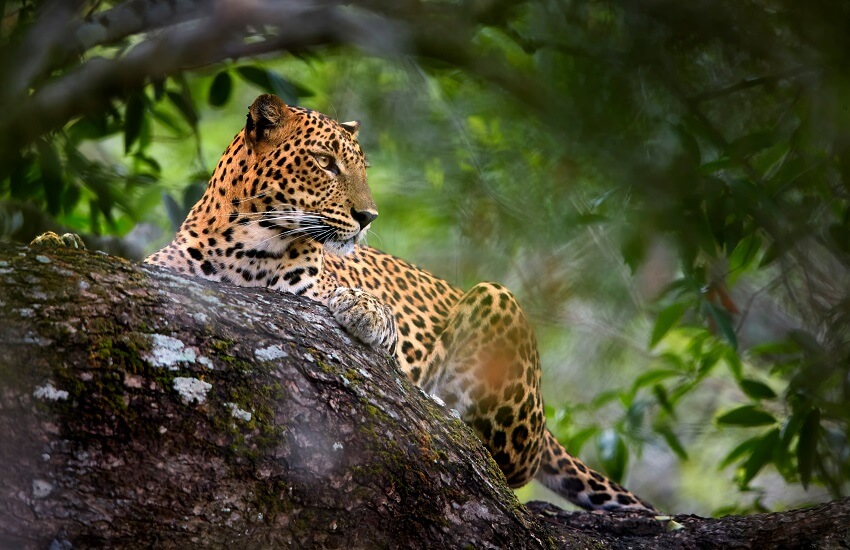
Beyond the beaches: The Cultural Triangle is home to Sigiriya Rock Fortress, the cave temples of Dambulla and the ancient cities of Anuradhapura and Polonnaruwa – all UNESCO listed and well worth exploring. The Tea Country is a total contrast, with rolling hills and colonial-era stations connected by scenic rail routes. Yala and Udawalawe National Parks offer great chances to spot elephants, leopards, crocodiles and birdlife, and it’s easy to pair these with time in the historical port city of Galle, where Dutch-era walls, boutique cafés and ocean views give the south coast real charm. When it’s time to unwind, the beaches around Bentota, Mirissa and Tangalle offer everything from surf breaks to quiet coves and Ayurvedic spas.
When to go: Sri Lanka has two monsoon patterns, meaning the “best” time depends on where you plan to visit. For the southwest and south coast beaches (including Galle and Bentota), December to April is ideal. The east coast (Pasikudah, Trincomalee) is best from May to September – so there’s always somewhere with sunshine.
Part of Mauritius, but 560km to the east, Rodrigues is the place to go when you want to properly get away from it all. This tiny island (just 18km by 8km) is often compared to Mauritius as it was decades ago… unspoilt, uncommercialised, and totally charming.
There are no big resorts, and not many tourists. Rodrigues is surrounded by a huge lagoon, which is protected by a coral reef. It’s shallow, calm and where you’ll find a lot of local life happening, including fishing and boating. The island’s accommodation is quite basic by Indian Ocean standards – but that’s the point.
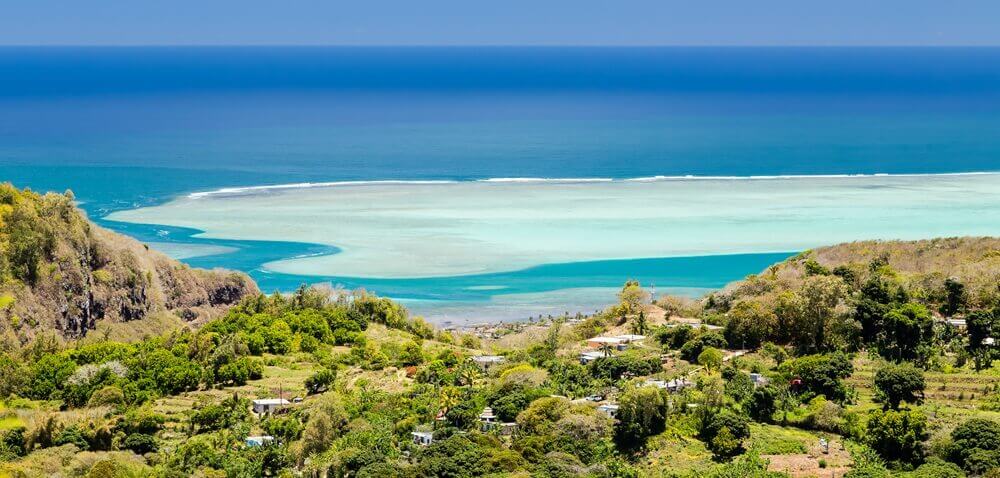
Beyond the beaches: Whilst there are some lovely beaches, Rodrigues is more about landscapes, lagoon life and local culture than beach-hopping. Hike up Mont Limon for 360-degree views over the entire island and its massive lagoon (the climb takes about two hours). Explore Caverne Patate on a guided tour, which is an extensive limestone cave system with impressive stalactites and stalagmites. On Saturdays, Port Mathurin market brings the island’s only town to life, with local produce, crafts and a sense of everyday island life. At low tide, you can even walk across to Île aux Cocos, a protected nature reserve home to thousands of nesting seabirds and a wonderfully remote feel.
When to go: Rodrigues is at its best from May to October, when the weather is drier and cooler.
Madagascar is a nature-lover’s dream, with around 90% of its wildlife found nowhere else on earth. Home to lemurs, baobab trees, limestone formations, rainforests, deserts, beaches and mountains, it’s incredibly diverse and unquestionably adventurous. The beaches – particularly around Nosy Be and Île Sainte-Marie – are beautiful, but they’re very much a side note to the island’s wildlife and landscapes. This isn’t the Maldives or Mauritius in terms of luxury and polish, and the infrastructure can make travel a bit slow and challenging, but the rewards are huge. You’ll see things here that quite literally exist nowhere else.
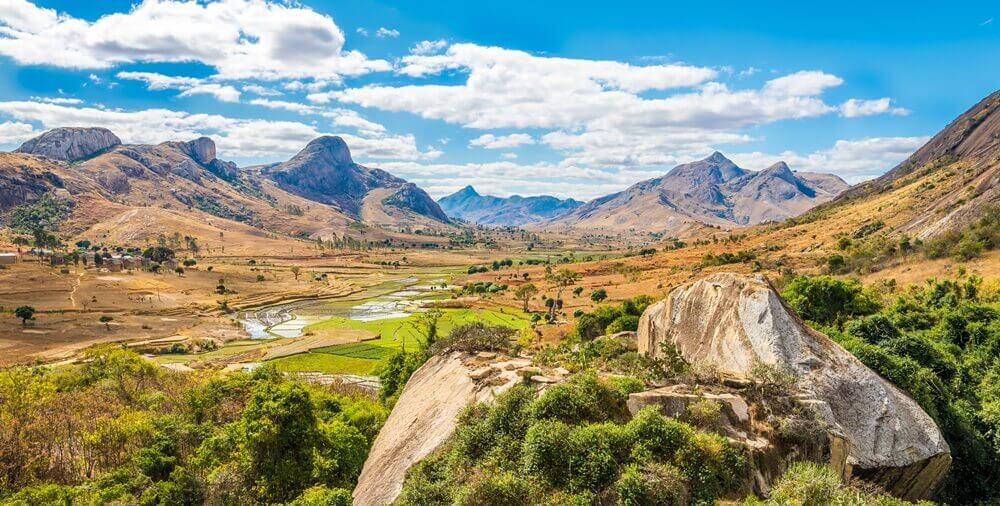
Beyond the beaches: Madagascar’s real appeal lies inland, with a scale and variety of landscapes unlike anywhere else in the Indian Ocean. Trek through Tsingy de Bemaraha – a UNESCO World Heritage site that features limestone pinnacles that have created a ‘stone forest’ which you can walk around via suspension bridges and via ferratas (probably best avoided though if you have a fear of heights!) A must-do is lemur-spotting in Andasibe-Mantadia National Park, where you can hear the call of the indri (the largest lemur) and spot up to 11 other lemur species, plus chameleons, frogs, and endemic birds in the rainforest. Walking the Avenue of the Baobabs is magical, especially at sunset when these ancient trees (some over 800 years old) are silhouetted against the sky. Also, make sure you spend some time in Antananarivo, the lively, slightly chaotic, capital built on hills, known for its colourful markets, the Rova royal palace complex and a really good food scene.
When to go: The best time to visit Madagascar is from April to November, outside the cyclone season and ideal for wildlife spotting and exploring inland.
We hope our guide has helped you narrow down the perfect Indian Ocean island. If you are still undecided, take a look at our Indian Ocean Multi Centre Holidays page for inspiration, which features our favourite itineraries. Anything is possible though, you can even add a safari on the mainland, so for advice on your ideal itinerary, please get in touch with our team. We’d love to help.
Inspired by the guide? We’ve handpicked a few holidays that bring it to life—perfect for turning travel ideas into reality.