 01706 753 636


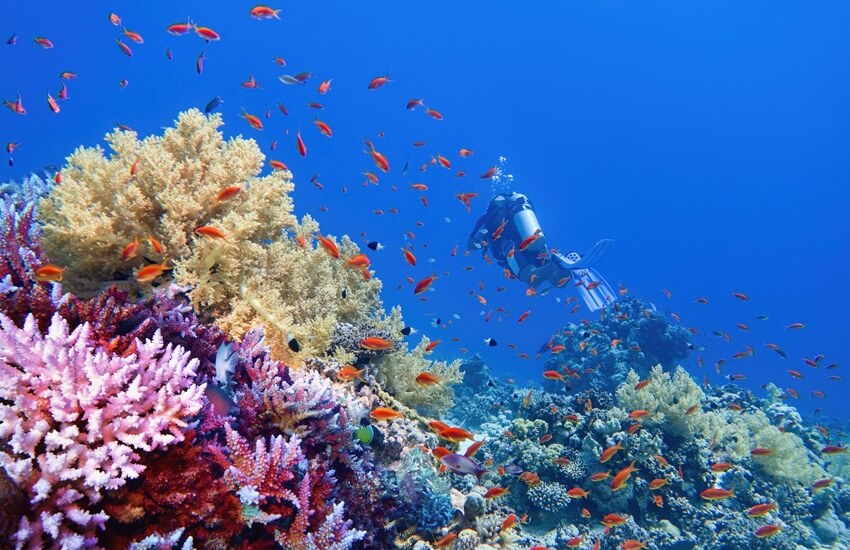
It’s no secret that the Caribbean is home to some stunning beaches. But the real magic lies beneath the surface, with vibrant coral reefs, warm, crystal-clear water, and marine life that wouldn’t look out of place in a David Attenborough documentary!
With so many Caribbean islands to choose from, it’s difficult to know which ones offer the best snorkelling and diving. Luckily, we’ve done the legwork for you and pulled together our favourite spots.
Bonaire: One of the world’s best shore-diving destinations, with crystal-clear water and protected reefs all around the island.
Cayman Islands: Famous for Stingray City, dramatic wall dives and the USS Kittiwake wreck.
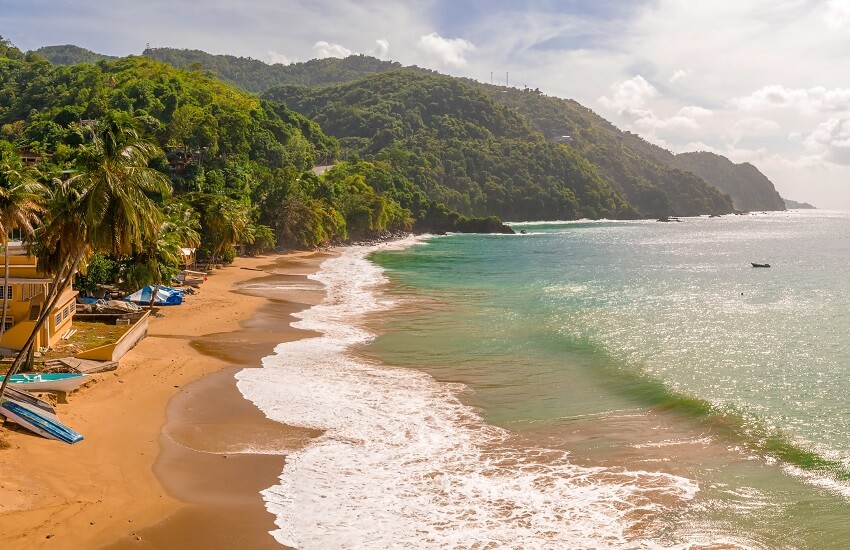
Tobago: Great drift diving, colourful reefs and excellent snorkelling for beginners and families.
Saba: A remote and unspoilt island offering some of the Caribbean’s most serious diving.
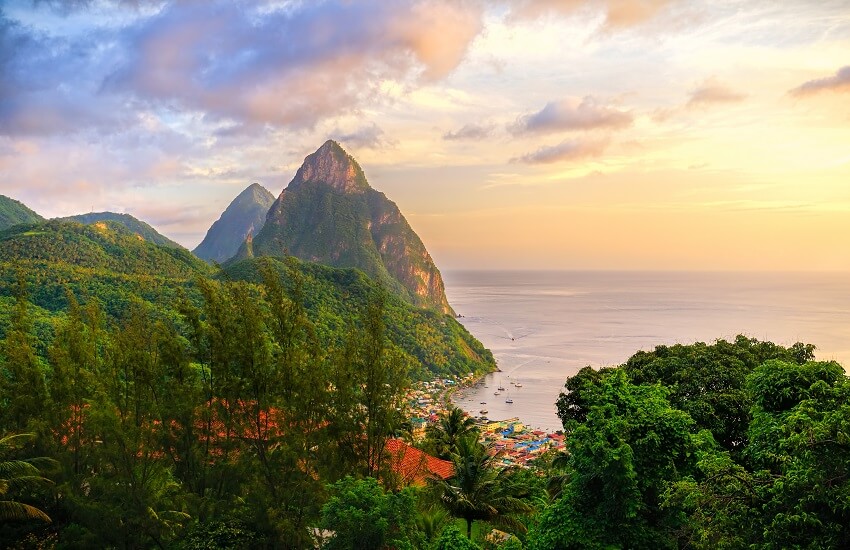
Saint Lucia: Stunning snorkelling beneath the Pitons, with reefs, turtles and volcanic dive sites.
Cozumel: Legendary drift diving on the Mesoamerican Barrier Reef with caves, canyons and starfish-filled shallows.
Turks and Caicos: Luxury resorts paired with beautiful reefs, wall dives and seasonal humpback whales.
Curaçao: Calm year-round waters and easy-access shore diving with wrecks and coral gardens.
Grenada: Home to an underwater sculpture park and the famous Bianca C wreck.
Barbados: Brilliant for shallow wreck snorkelling and frequent turtle encounters.
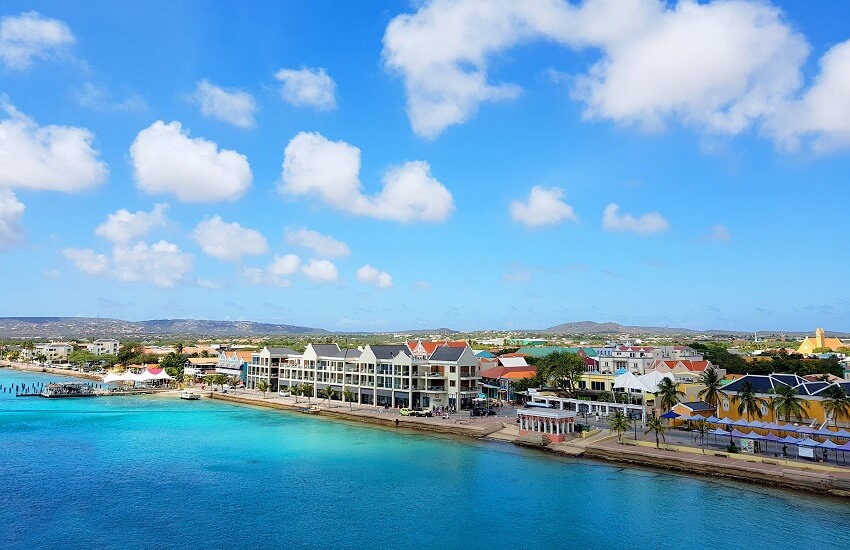
This small Dutch island in the southern Caribbean has become one of the best diving and snorkelling destinations in the world. The entire coastline is a protected national marine park, with over 80 marked diving and snorkelling sites. Over 50 of these are accessible from the beach, so you can simply walk to them from the shore. The visibility is extraordinary, thanks to a rocky coastline that keeps the water crystal clear. You’ll find hundreds of species of fish, various types of coral, sea turtles, seahorses, and some of the most spectacular sea fans (large, soft corals that sway gently in the current).
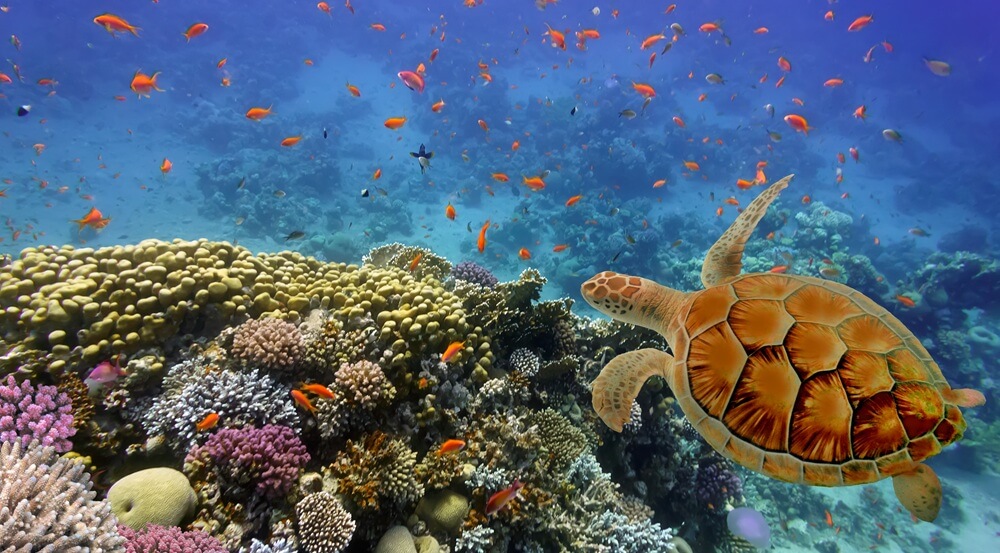
One of the highlights lies just offshore at Klein Bonaire, a tiny, uninhabited island that is surrounded by pristine coral reef. It’s easily reached by a short boat trip and offers some incredible, untouched snorkelling.
Bonaire is brilliant for both beginners and experienced divers and is a true year-round destination.
Grand Cayman has been a diving favourite for years. With over 250 named dive sites, visibility of up to 100 feet and barely any current on the west side of the island, it’s ideal for both beginners and more experienced divers.
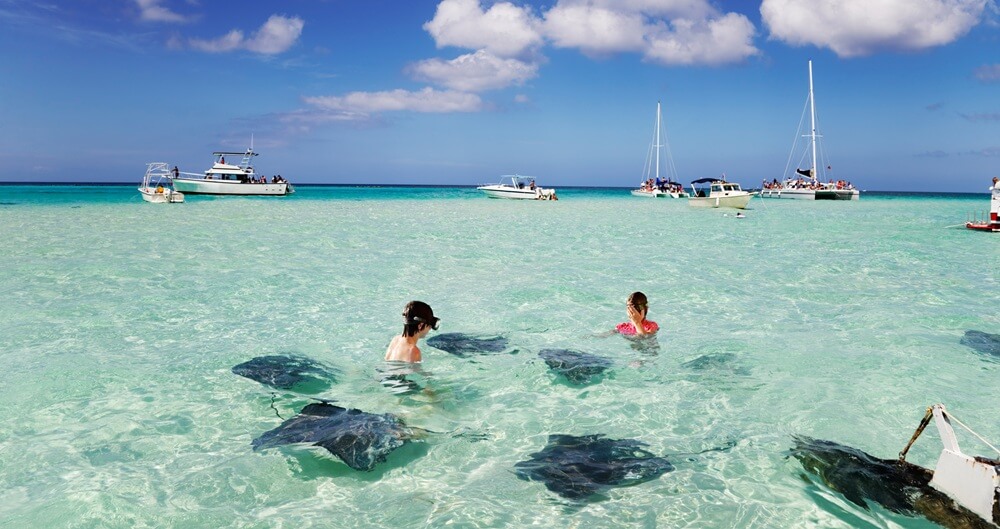
Make sure you visit Stingray City, a series of shallow sandbars in just 13 feet of water where dozens of enormous stingrays glide around you. The USS Kittiwake is another highlight. This US Navy ship rests at 65 feet with the top deck at just 15 feet and is absolutely teeming with marine life.
If you fancy a bit of adventure, you can nip over to Little Cayman for the legendary Bloody Bay Wall. This 3km-long sheer coral wall drops from 18 feet straight into the abyss. Here you’ll find huge barrel sponges clinging to the wall, while barracuda, groupers and sea turtles swim around the edge. The water around Little Cayman is also extraordinarily clear.
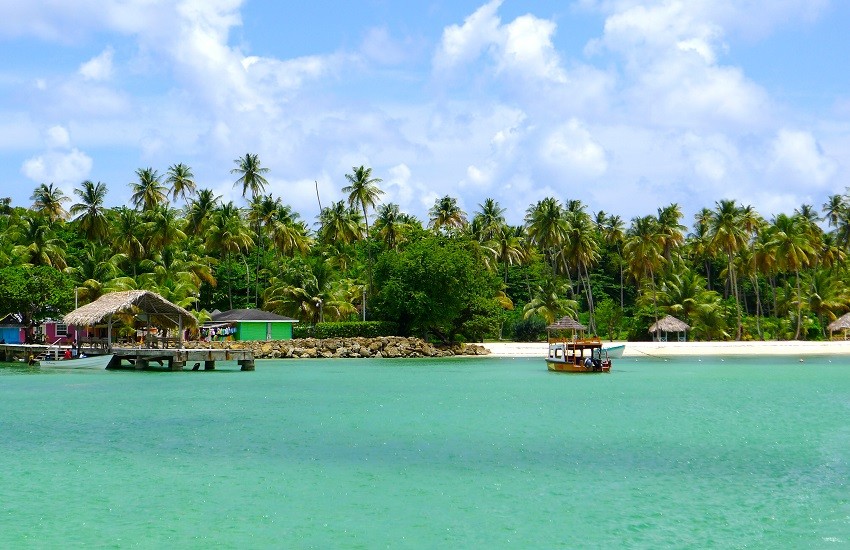
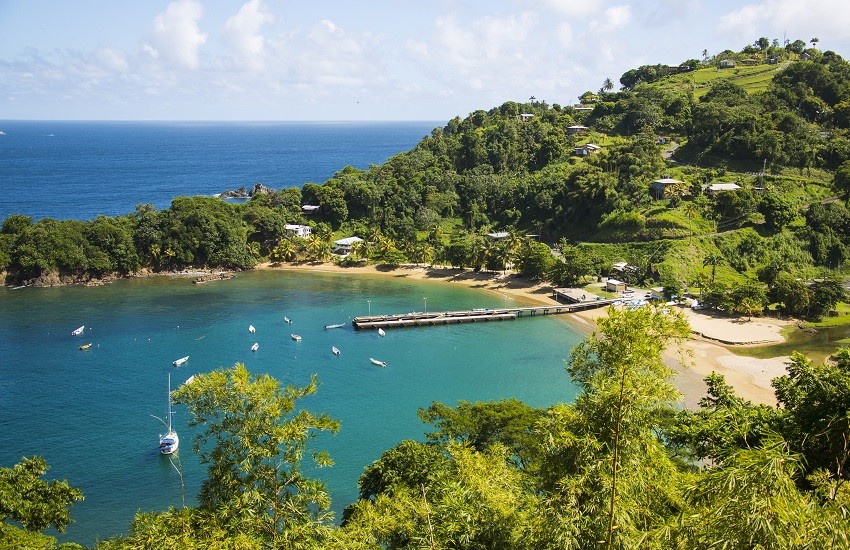
The island of Tobago is a little bit under the radar when it comes to being known as a snorkelling and diving destination. However, those in the know will tell you that it’s home to some extraordinary drift diving, often powered by the Guyana Current, where the Caribbean Sea meets the Atlantic.
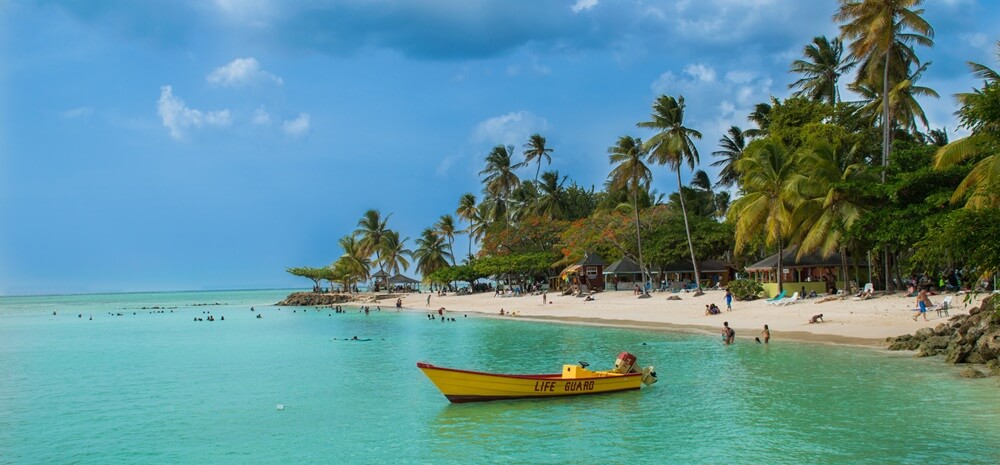
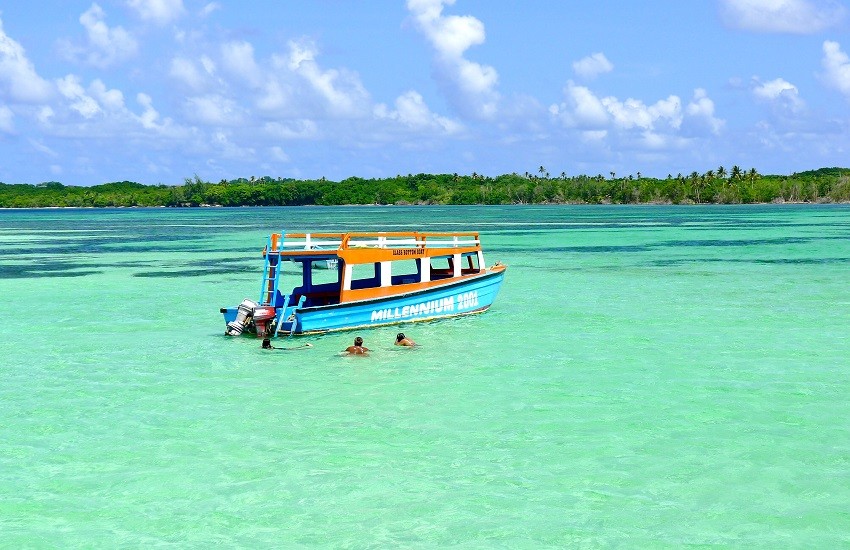
The seas around the island are home to hundreds of species of South Atlantic coral, alongside manta rays, reef sharks, stingrays, dolphins, turtles and squid. The diving hub of Speyside in the northeast is where the serious divers head, with spectacular sites around the offshore islands. For snorkellers and families, the Buccoo Reef and the charming Nylon Pool (which is a crystal-clear, waist-deep natural pool sitting right in the middle of the sea) are absolute must-sees.
Tobago is also a great place to learn how to dive, and classes tend to be small and personalised.
If you’re a serious diver and you haven’t been to Saba yet, it should be at the top of your list. This tiny, five-square-mile Dutch island offers some of the most pristine, unspoilt and incredible diving in the entire Caribbean. During the winter months, you may also hear the sound of migrating humpback whales as they pass through the waters around the island.
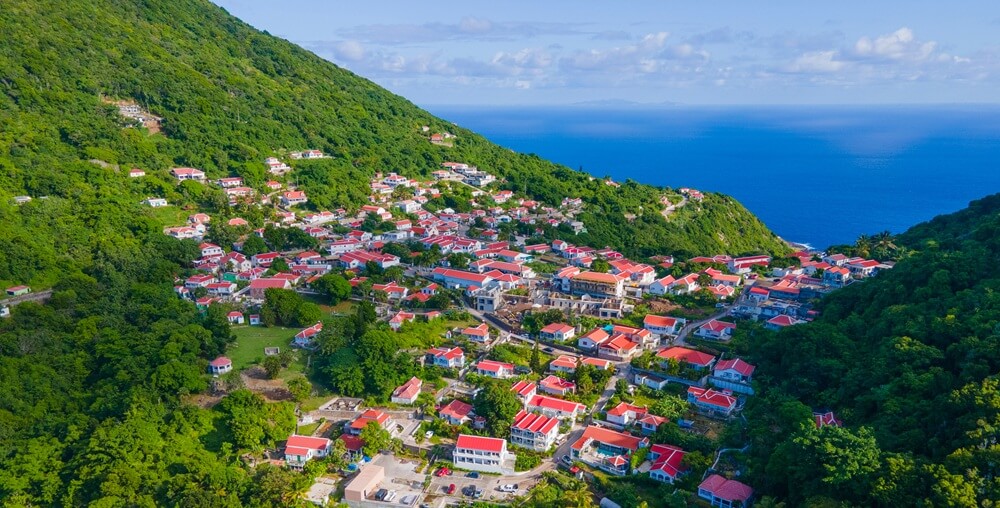
The dive sites are genuinely world-class. Only a few dive boats go out each day, so you tend to share the reef with a maximum of around 30 divers at any one time.
Highlights include The Eye of the Needle, a rock formation covered in coral and surrounded by grouper, horse-eye jacks and reef sharks, plus Shark Shoals and Man O’War Shoals. For the truly dedicated, the Saba Bank is vast, remote, and difficult to reach, typically accessed via specialist liveaboard trips, but for serious divers, it’s the stuff of dreams.
Saba is best suited to truly dedicated and advanced divers as the island offers fairly basic accommodation and little nightlife.
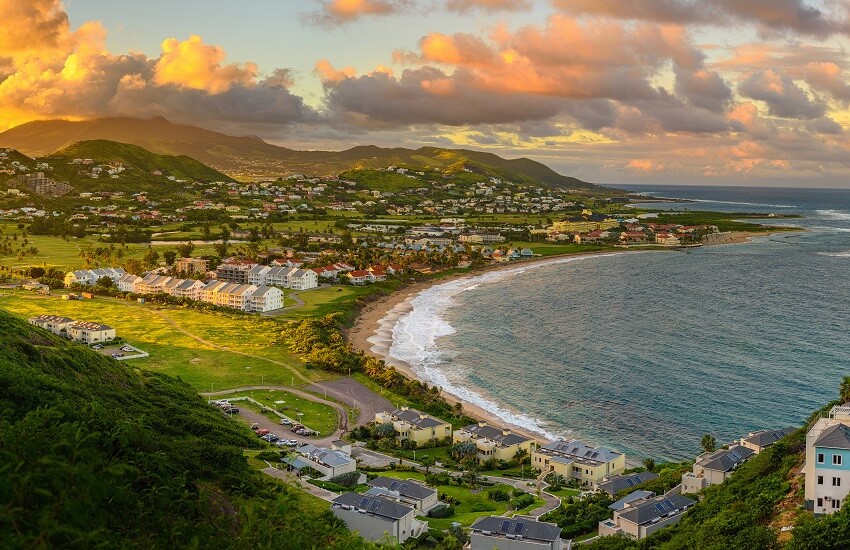
St Lucia’s coastline is framed by its striking Pitons, dense and lush rainforest, and brilliantly blue waters.
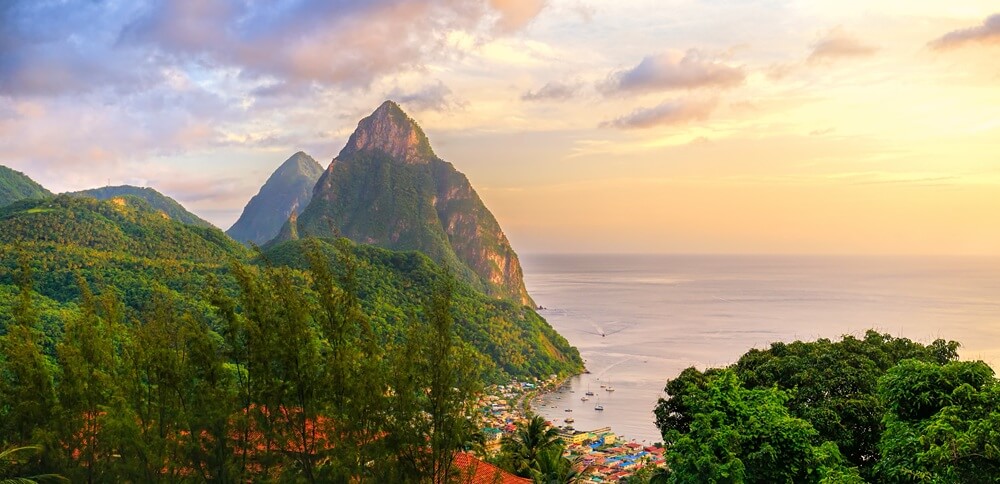
One of the best snorkelling spots lies off Anse Chastanet, a sheltered beach on the island’s leeward side. The reef starts only a few metres from the shore, so you can simply walk into the water and swim straight out. It’s home to giant sponges, hundreds of angelfish, coral formations, and the occasional sea turtle. The beach has zones for drift snorkelling, where the gentle current carries you along the reef, making it easy to explore without much effort. For something a bit different, you can also try a nighttime snorkel to see nocturnal marine life such as lobsters, crabs, and sleeping fish, lit up by underwater torches.
There are also some great options for divers, with the dramatic walls of the Pitons providing steep drop-offs, vibrant coral, and plenty of marine life to explore. Popular dive sites include Superman’s Flight (a drift dive running in the shadow of Petit Piton), Coral Gardens, Piton Wall, and Anse La Raye. There’s also the wreck of the Lesleen M to explore, plus Turtle Reef, which is a little bit further along the coast.
Just off Mexico’s Yucatán Peninsula, Cozumel sits on the Mesoamerican Barrier Reef, the second-largest reef system in the world. The legendary Palancar Reef, famously called ‘paradise’ by Jacques Cousteau, offers stunning drift dives through caves, canyons, swim-throughs and coral pinnacles. You might spot eagle rays, hawksbill turtles, nurse sharks, moray eels and schools of tropical fish. The reef is protected within Cozumel Reef National Park, and the island has excellent dive facilities.
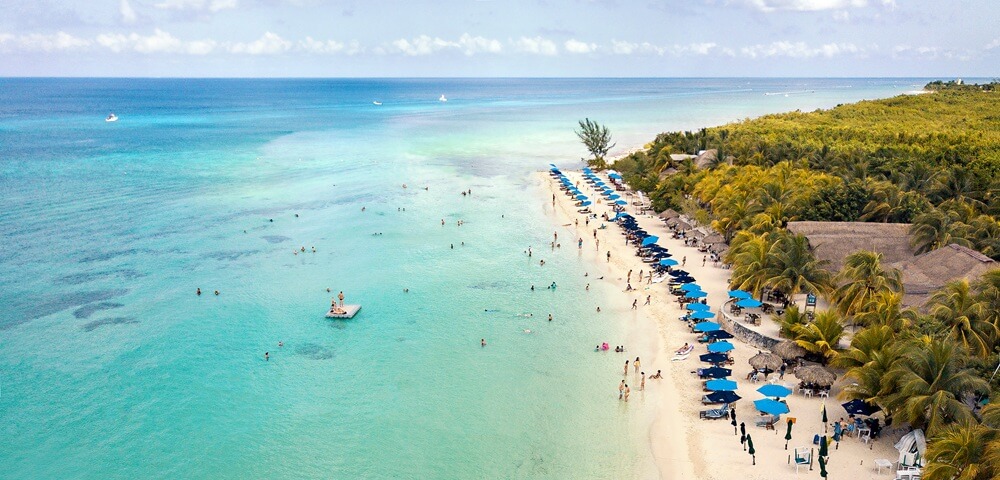
For snorkellers, the shallow areas of Palancar and the nearby El Cielo sandbar are wonderful. Here, the water is waist-deep and crystal clear, and starfish lie scattered across the white sand – it’s a truly magical sight.
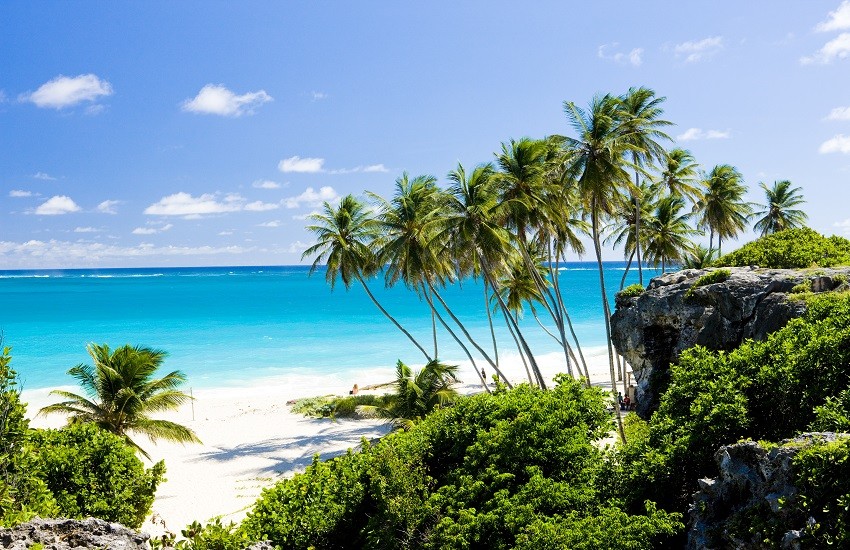
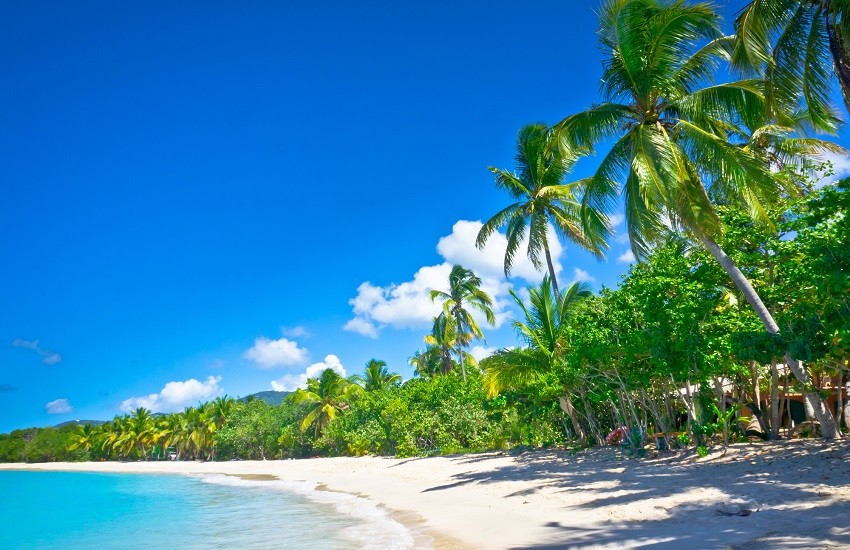
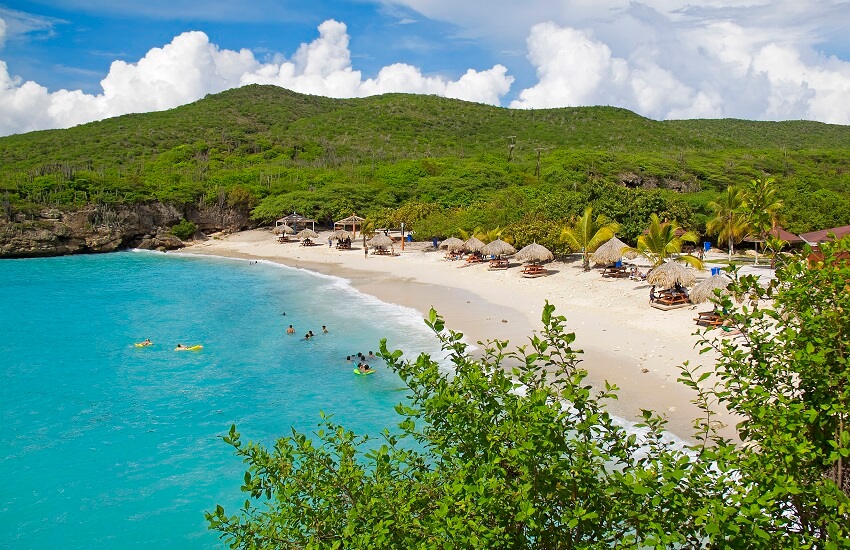
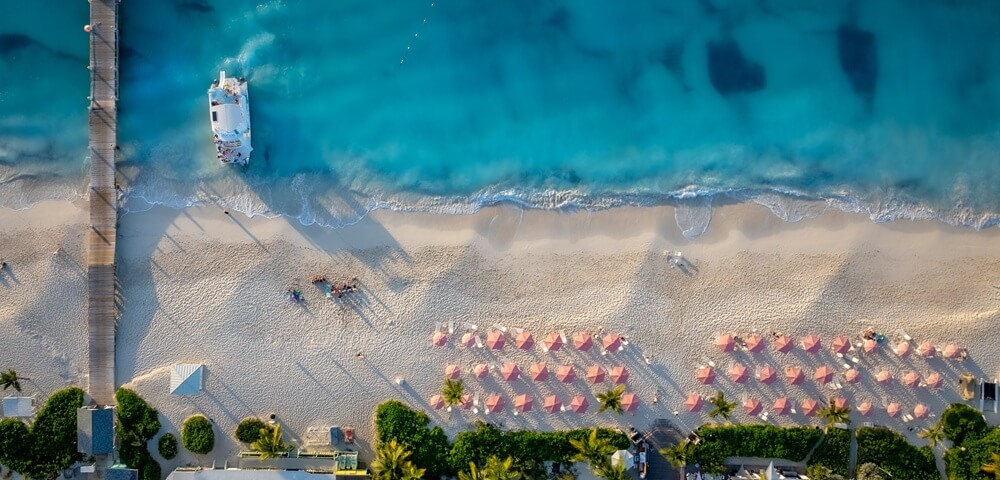
Turks & Caicos is a great option if you want to retreat to a world-class luxury hotel after a day of diving or snorkelling. Providenciales is home to some of the Caribbean’s most coveted hotels, with picture-perfect white sandy beaches, plenty of privacy, and fine dining. Smith’s Reef, accessible right from the beach itself on Grace Bay (pictured below), is part of one of the largest barrier reef systems in the Caribbean, with clear water and plenty of marine life, including sea turtles, rays, tropical fish, and nurse sharks. The Bight Reef is another great spot and ideal for seeing colourful marine life and coral without needing a dive.
There are plenty of options for divers, though, too, with a mix of gentle reef dives to dramatic wall drops and swim‑throughs with sites around Providenciales, Grand Turk, Salt Cay and beyond, where you can see coral gardens, steep walls and plenty of sea life. Between January and April, there is also a chance of seeing humpback whales as they migrate through the deep channel between the islands. And from Salt Cay and Grand Turk, there is even the possibility of snorkelling with them for a truly once-in-a-lifetime experience.
Curaçao offers easy access to brilliant shore diving. The southeastern side of the island is sheltered from the trade winds, giving you calm, clear conditions pretty much all year-round.
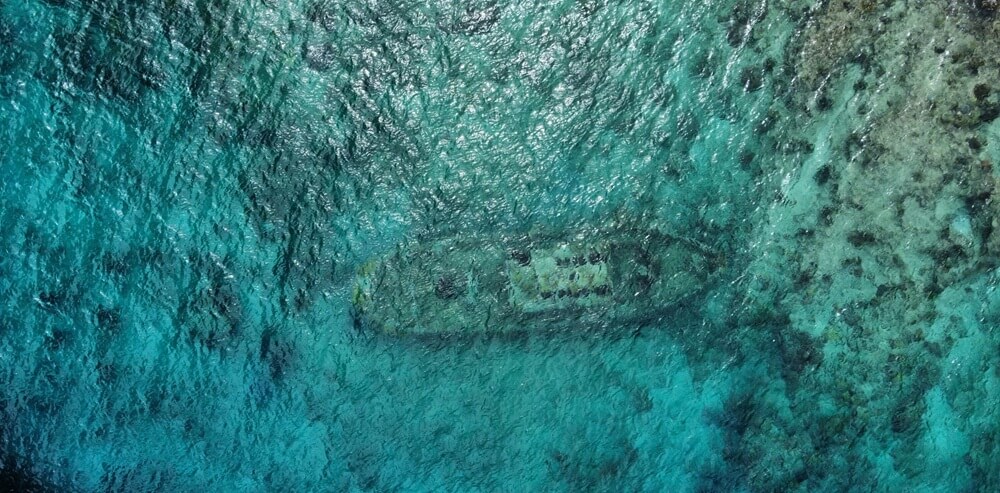
The most convenient starting point is Tugboat Beach, where a deliberately sunk 30-foot tugboat sits just 100 yards from shore in 15 feet of water. It’s covered in tube sponges, moray eels and critters, with an underwater cliff just beyond where you’ll see squid, octopus and turtle. The wider Curaçao Underwater Marine Park stretches 12 miles along the southern coast, with sunken ships, coral gardens and millions of fish. The Mushroom Forest is particularly spectacular.
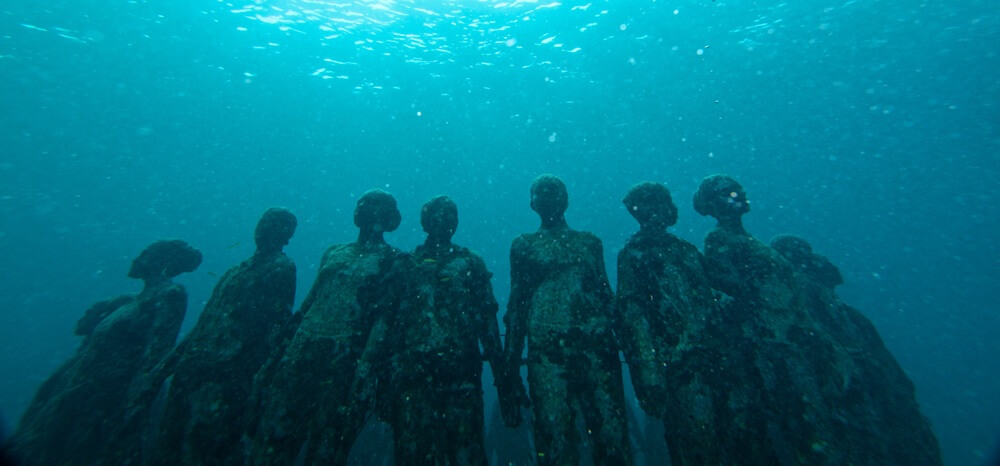
Grenada (also known as the Spice Island) has a fascinating underwater world. The Molinere Underwater Sculpture Park features over 100 life-sized human figures made from concrete, sitting in just 15 feet of water, now covered in coral and home to all kinds of fish. You can see them from the surface, making it ideal for snorkellers.
For serious divers, the Bianca C, a cruise ship that went down in 1961, is known as ‘The Titanic of the Caribbean.’ It sits at 45–50 metres and is strictly for advanced divers due to the depth, but absolutely jaw-dropping.
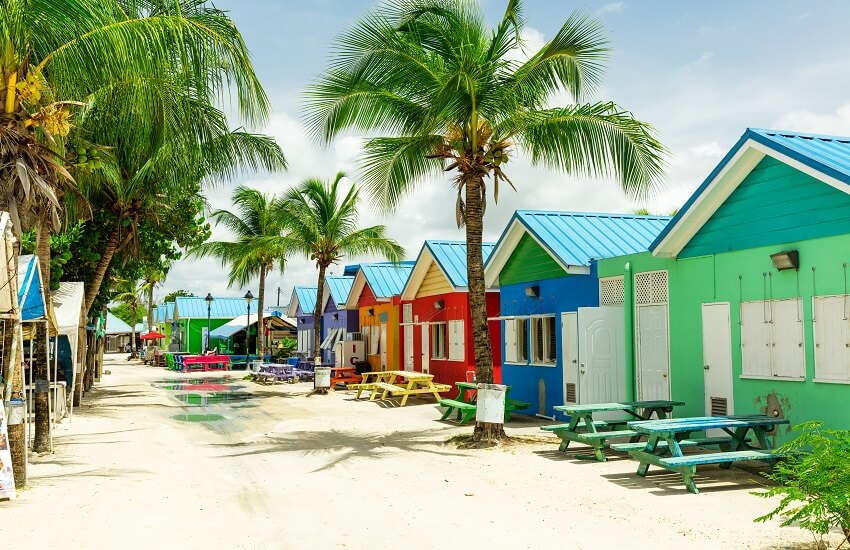
Barbados is best known for its beaches and rum punch, but it’s also a brilliant place to dive and snorkel. Granted, it may not be in the same league as some of the destinations on this list such as Bonaire, Saba, the Caymans, or Tobago, but it has something none of them can offer: a collection of shipwrecks lying in such shallow water that you can enjoy them with nothing more than a snorkel, plus some of the most frequent sea turtle encounters in the Caribbean.
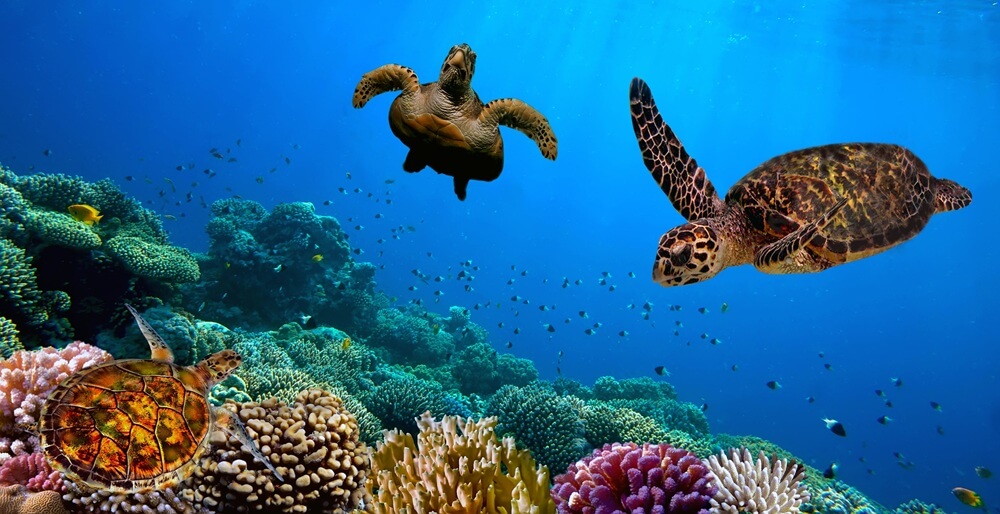
The jewel in the crown is Carlisle Bay Marine Park, just south of Bridgetown, where six shipwrecks lie in just 3–17 metres of water. Covered in soft coral and sponges, the wrecks have become artificial reefs and are home to Hawksbill, Green and Leatherback turtles, so you stand a good chance of seeing them up close.
If you’re a diver and are after a more substantial wreck, the SS Stavronikita is widely considered one of the best in the Caribbean and is covered in an abundance of coral, attracting a variety of sea life.
If you’re looking for a simple twin-centre holiday, our St Lucia & Barbados combines two great islands for diving. If a longer island-hopping Caribbean adventure interests you, our Exploring the ABC Islands that features Curaçao and Bonaire, and our Tobago, Trinidad & Grenada are great options, both featuring two from the above top 10. Our French Caribbean Explorer and the Best of Big & Small Islands also visit a number of great islands for diving, and Saba can also be added to these itineraries. We can also arrange your very own tailor-made trip, ensuring that it has the right balance of sun, sea and underwater life. Simply get in touch with our team.
Inspired by the guide? We’ve handpicked a few holidays that bring it to life—perfect for turning travel ideas into reality.