 01706 753 636


Beyond the beach clubs and busy temples of southern Bali, there’s a quieter, more traditional side to the island. We’ve picked out our favourite spots in eastern and central Bali where the rice terraces are still farmed by hand, local traditions are alive and strong, and the culture is still largely untouched by mass tourism.
Ubud still has plenty to offer, but as its centre has become increasingly busy, this guide focuses on quieter alternatives across eastern and central Bali.
Amed: Laid-back fishing villages with black-sand beaches and world-class diving and snorkelling.
Sidemen: A quiet rural village with rice terraces, local crafts, and white-water rafting.
Jatiluwih Rice Terraces: UNESCO-listed working rice terraces with walking and cycling trails.
The Great Lakes of Bedugul: Cool highland lakes, a floating temple, and canoe treks.
Amlapura: Two royal water palaces and a sacred spring garden, plus the iconic Gates of Heaven temple at Lempuyang.
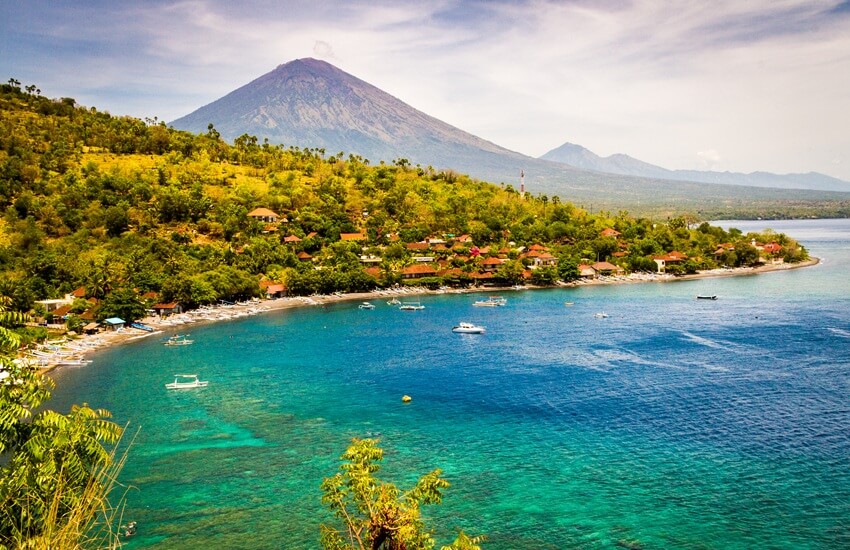
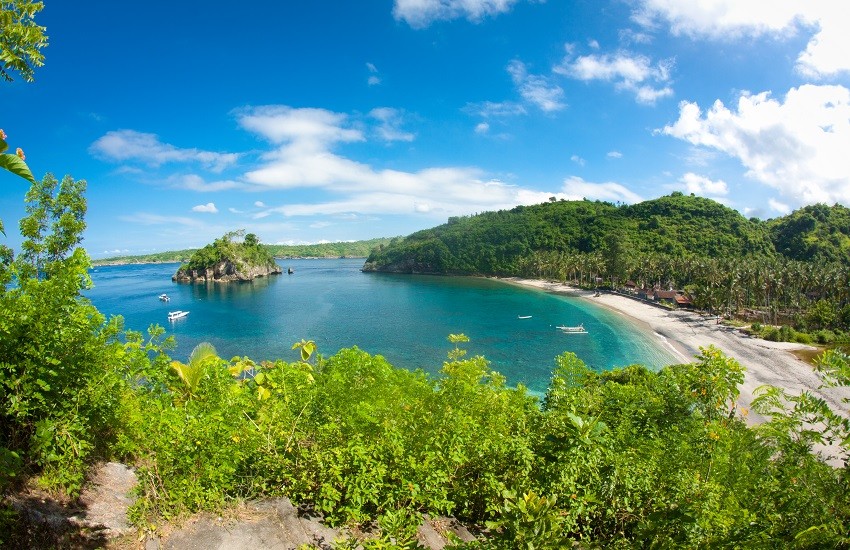
Amed is a collection of small fishing villages along the northeast coast of Bali that feel very different from the busier beach resorts of the south. Each village has its own small volcanic black-sand beach, beautifully clear water, traditional warungs (small, local restaurants), and you’ll often see fishermen pushing their colourful jukung boats back onto the sand at sunrise.
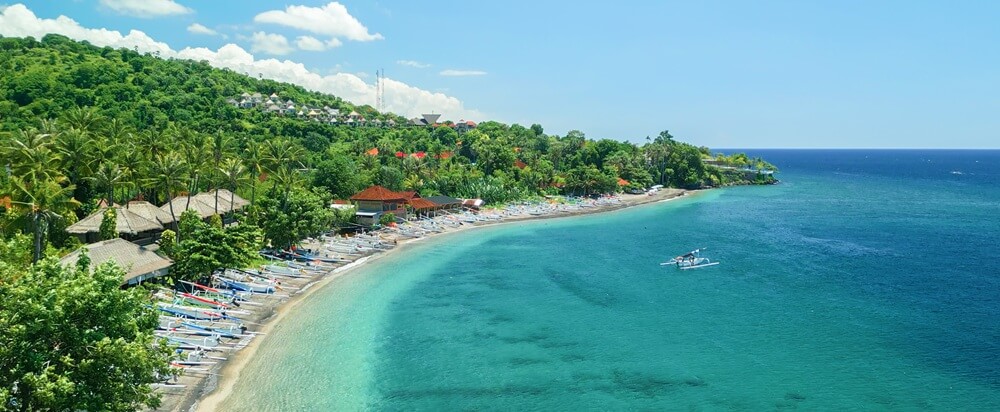
The main draw for many visitors is the exceptional diving and snorkelling. Most sites are highly accessible directly from the beach, without needing a boat. Jemeluk Bay is one of the best spots, with a coral garden and an underwater temple, while Lipah Beach is home to a thriving reef where you may even spot a turtle or two. For divers, the USAT Liberty at nearby Tulamben is a must-see. It’s a US cargo ship that served in both world wars and now sits in shallow water, widely considered one of the best wreck dives in Asia.
Back on dry land, head to Lahangan Sweet viewpoint for one of the best sunrise spots in East Bali, with beautiful views of Mount Agung, the coast, and the rice paddies below. One of the area’s local traditions is artisanal sea salt production, with families still making it by hand. Pop into the Salt Farm Centre to see this age-old practice in action.
Seafood lovers will particularly enjoy Amed. Beachside warungs simply grill whatever came in with the morning catch, including grilled fish, squid, prawns and Sate Lilit (minced fish or meat skewered on lemongrass sticks). Amed is also a hub for wellness escapes with small retreats offering yoga, meditation, and holistic treatments.
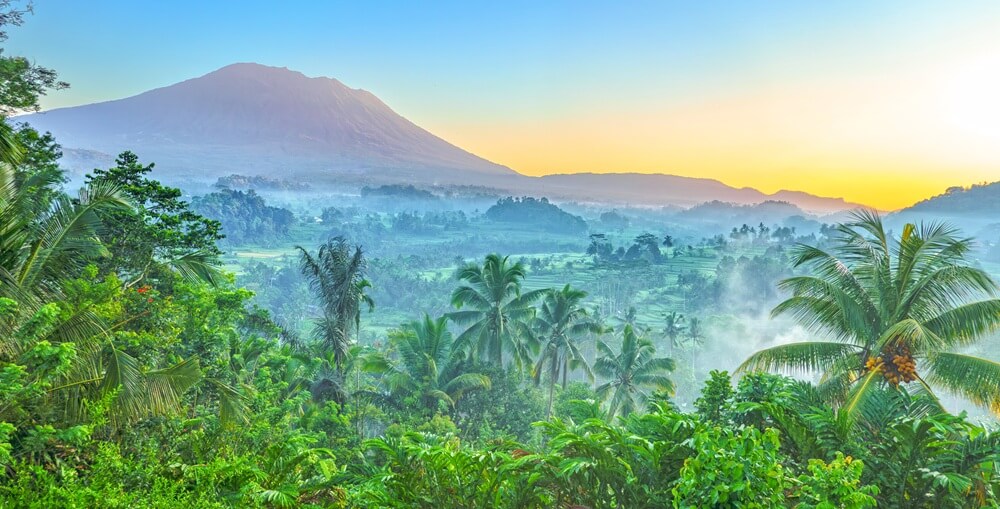
Sidemen (pronounced see-deh-men) is often compared to Ubud as it was twenty or thirty years ago, which is exactly what makes it so special. This pretty village in East Bali, in the foothills of Mount Agung, is surrounded by working rice terraces, jungle, and river gorges. Trekking with a local guide is one of the most popular activities here, with routes taking in working farmland, forest, plantation, and river valleys. You’ll often pass farmers working the terraces and small shrines tucked into the rice fields. It’s a great way to see daily Balinese life as it really is, and some routes include hands-on encounters where you can make traditional palm-leaf offerings, try Balinese calligraphy, make herbal Jamu drinks, or sample the local rice wine, Arak. If you fancy exploring on two wheels, a cycling tour through the countryside is another brilliant way to explore the rural landscape.
Sidemen has a strong tradition of crafting. You can visit a weaving house to watch artisans working on the area’s famous songket textiles, woven by hand using gold thread, or take a silversmithing class and make your own piece of jewellery.
If you’re after an adrenaline fix, try white-water rafting on the Telaga Waja River. Here you’ll find good rapids, impressive jungle scenery, and far fewer tourists than the better-known rafting routes near Ubud. Gembleng Waterfall, a short drive from the village, is another highlight. It’s a series of natural rock pools with views over the surrounding rice fields, reached via a short but steep walk.
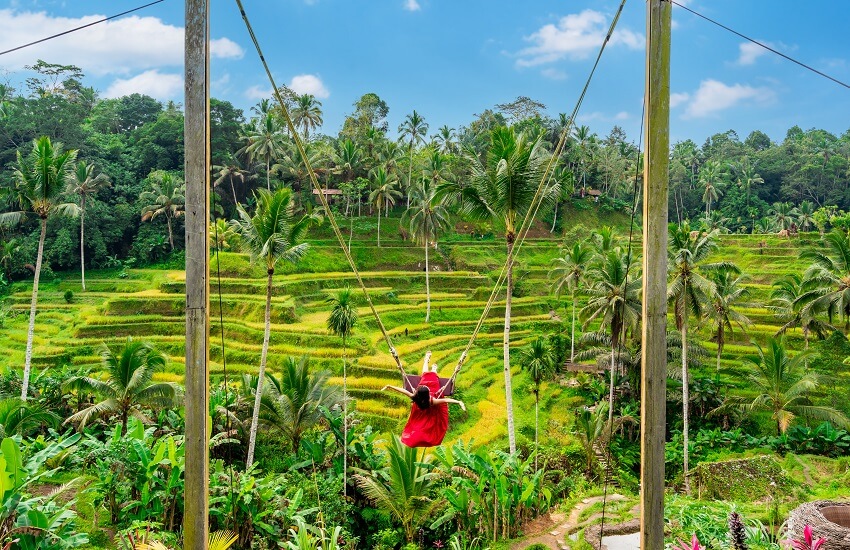
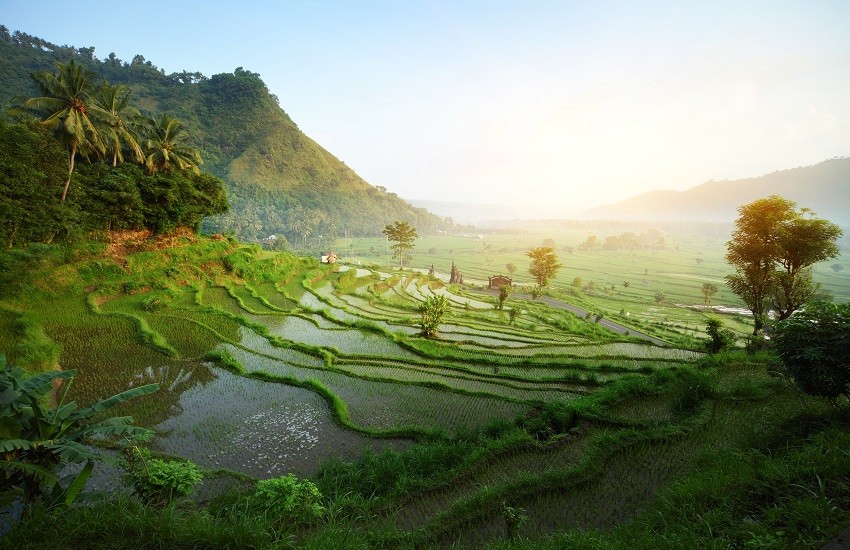
Jatiluwih in central Bali offers a quieter alternative to the busier terraces at Tegalalang near Ubud, with fewer crowds and a landscape that still feels like working farmland rather than a visitor attraction.
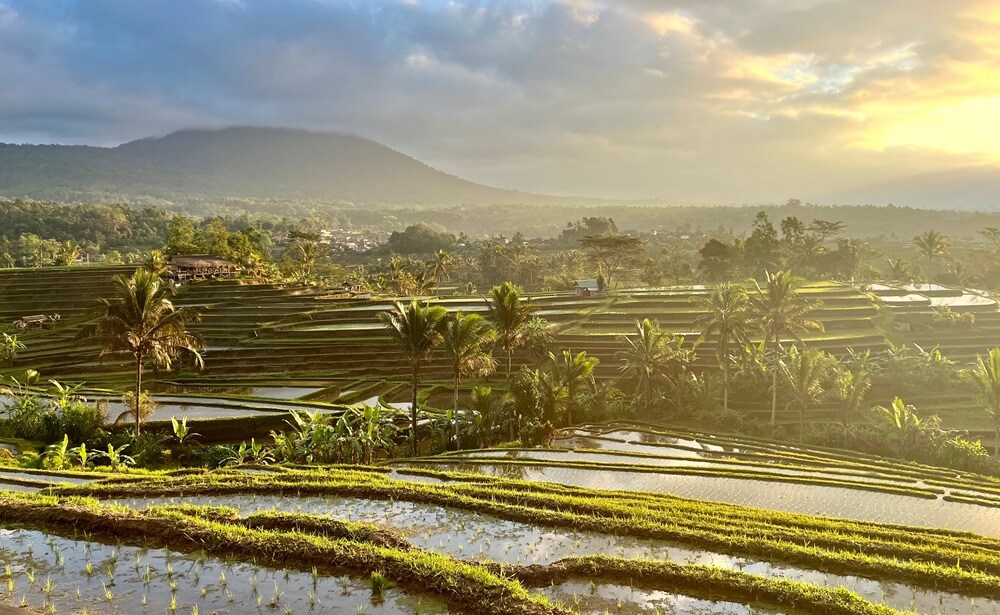
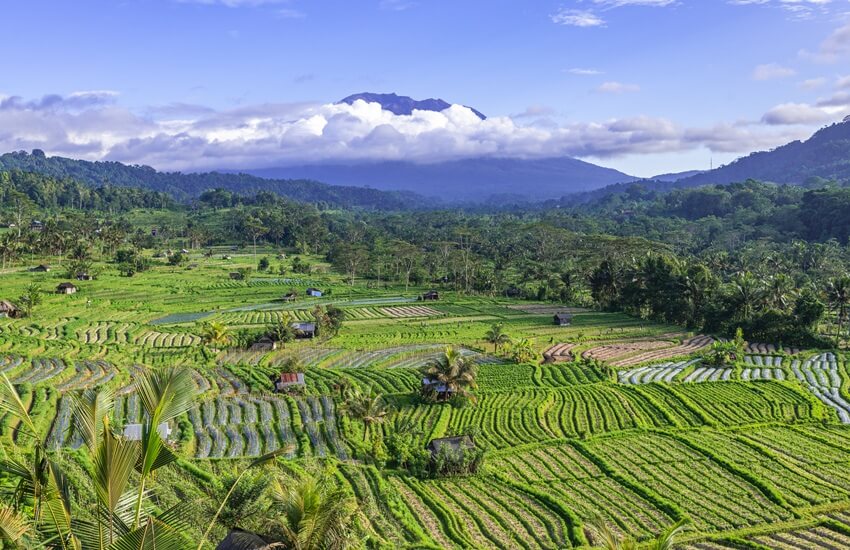
The terraces cover over 600 hectares and were awarded UNESCO World Heritage status in 2012, thanks not only to the stunning scenery but also to the ancient subak irrigation system that sustains them. This cooperative water management framework dates back to the 9th century, in which farming communities share water sources and collectively maintain the temple network that regulates the whole system.
There are three walking trails ranging from a 40-minute loop to a three-hour route, all passing through the terraces with views of Mount Batukaru. Guided cycling tours are another popular option, winding through the rice fields with stops to learn about the planting cycle and local temple history. For those who want to go deeper into the culture, you can take a cooking class using organic ingredients from the surrounding farms, a great introduction to traditional Balinese food. The nearby Yeh Hoo Waterfall makes a lovely addition after exploring the rice terraces, where you can take a refreshing dip in its natural pool in the dry season.
The highlands of central-northern Bali are cooler, greener, and considerably less visited than the coast. The Bedugul region, which sits at around 1,200–1,500 metres, is centred around three crater lakes (Bratan, Buyan, and Tamblingan), which are all set within dense rainforest and offer a wonderful contrast to the heat and busyness of the south.
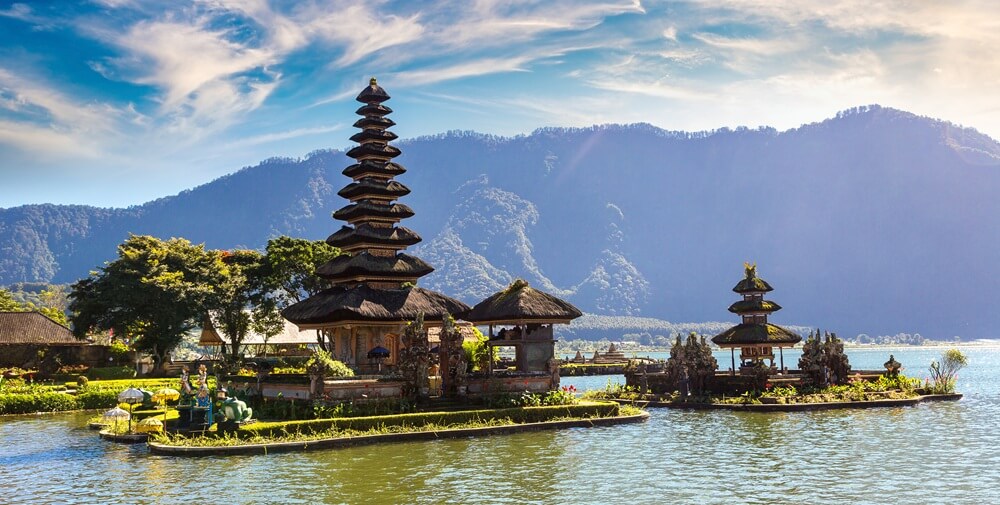
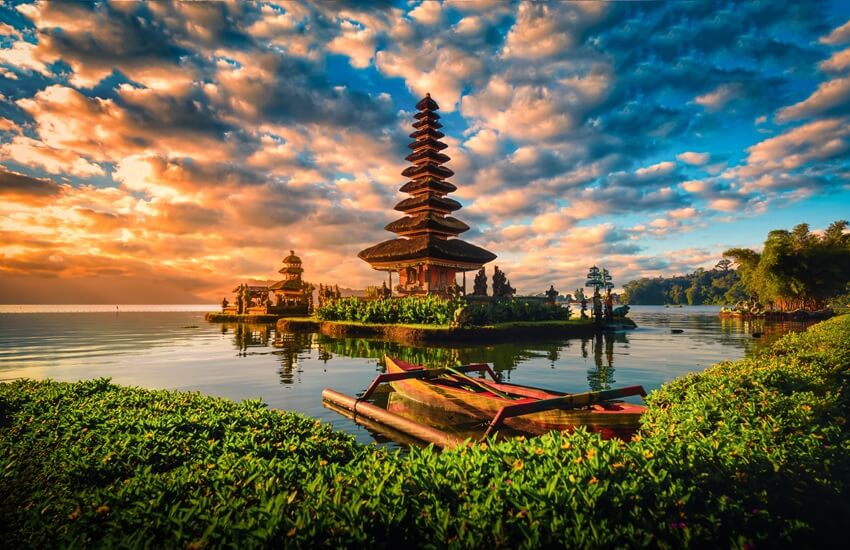
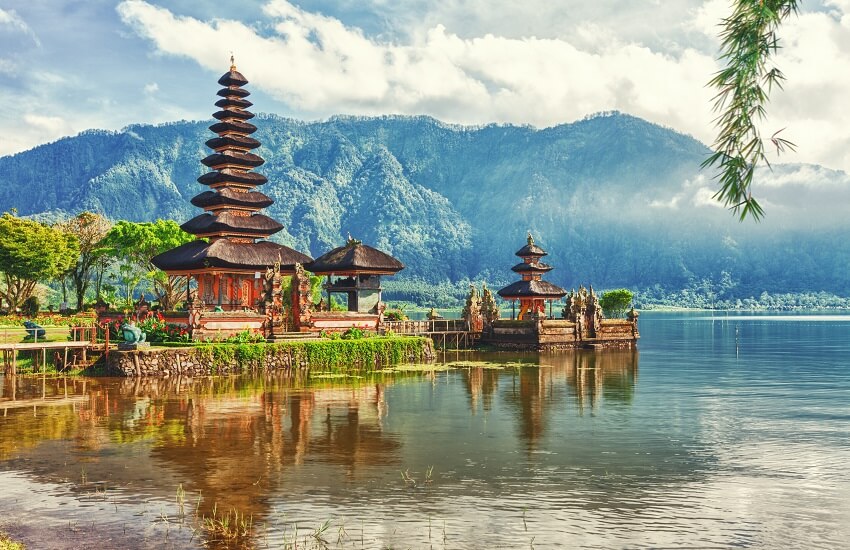
Pura Ulun Danu Beratan is the highlight of Lake Bratan. This 17th-century Hindu water temple, dedicated to Dewi Danu, the goddess of lakes and rivers, sits right at the water’s edge and appears to float on the surface, especially as the morning mist drifts across the lake. It’s genuinely impressive, but best visited in the early morning.
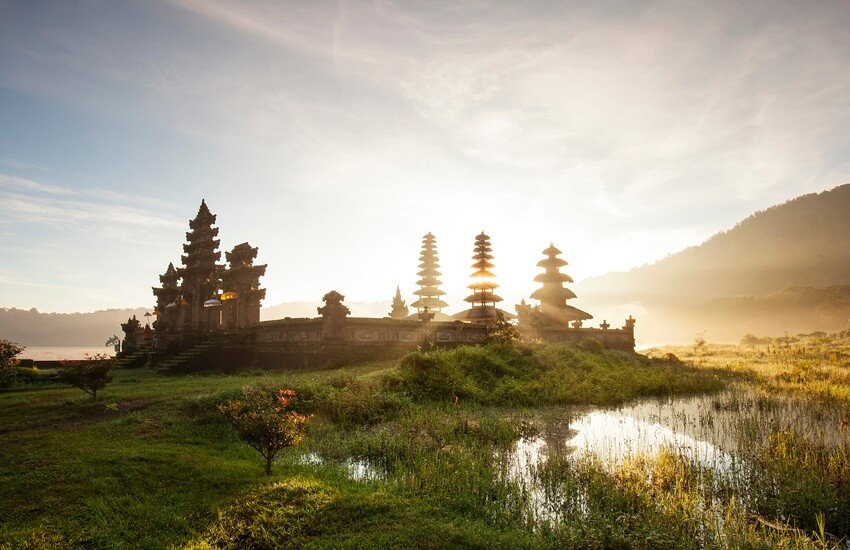
The twin lakes of Buyan and Tamblingan offer a different experience. Lake Buyan is larger and more peaceful, ideal for lakeside walks, short boat rides, or relaxing at a small café while taking in the views of the surrounding hills and forests. Lake Tamblingan, on the other hand, feels more remote and untouched. Motorised boats are not permitted, and its shores are dotted with ancient temples, some partially submerged during the wet season. Here you can cross the lake in a traditional wooden canoe or trek along its edge to explore these sacred lakeside sites. The route typically takes two to three hours, passing through misty woodland, temples, and quiet waterways, making it a very special experience.
The Bali Botanic Garden at Candikuning is another highlight, with 400 orchid species across 160 hectares and very few crowds. The nearby Candikuning fruit market near Bedugul, selling fresh produce, locally grown strawberries, and handicrafts, is also worth a stop.
Amlapura is the main town of the Karangasem Regency in far eastern Bali. Small and laid-back, its main landmark is Puri Agung Karangasem Palace, although the real reason to make the journey is Tirta Gangga, the former royal water palace famous for its ornate gardens, tiered fountains and tranquil pools. Built in 1946 by the last King of Karangasem as a royal retreat and bathing complex, it features stepped terraces, ornamental ponds, and intricate stonework, all fed by a natural, sacred spring. The palace was largely destroyed by the eruption of Mount Agung in 1963 and has since been restored, and it’s now one of this region’s must-see attractions. The centrepiece is a large koi pond, which you can cross on ornate stepping stones. There are also two spring-fed pools, perfect for cooling off in.
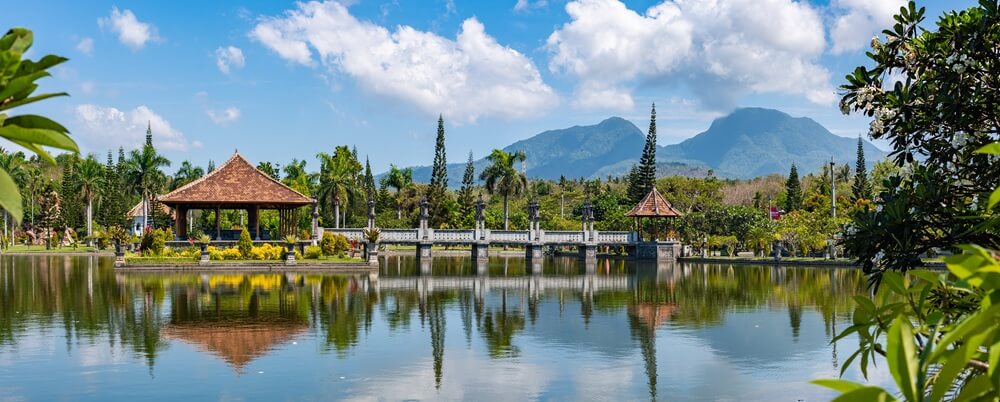
A short drive south, Taman Ujung is another water palace built by the ruling royal family. It’s grander, quieter, and wonderfully peaceful, with formal gardens, ponds, and ornate bridges blending Balinese and European styles. The central palace sits on a small island in the largest pool, connected by walkways, and the views of Mount Agung and the coastline are simply stunning.
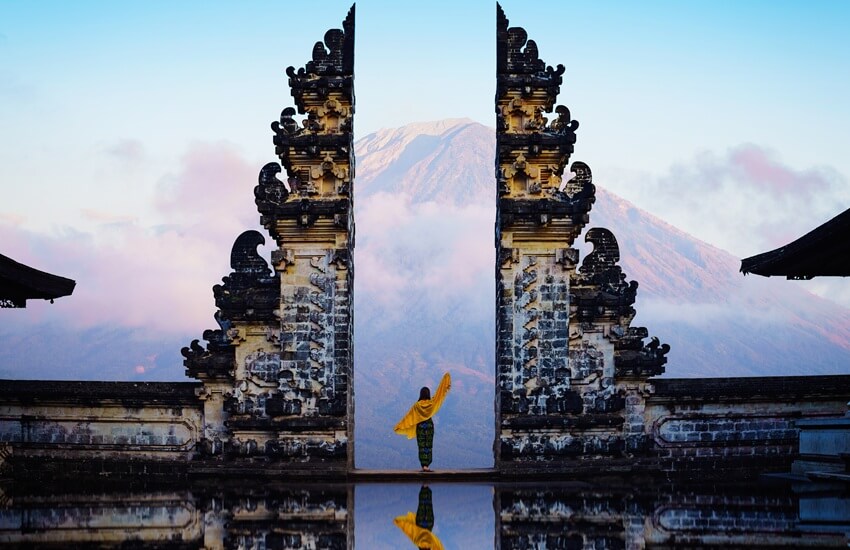
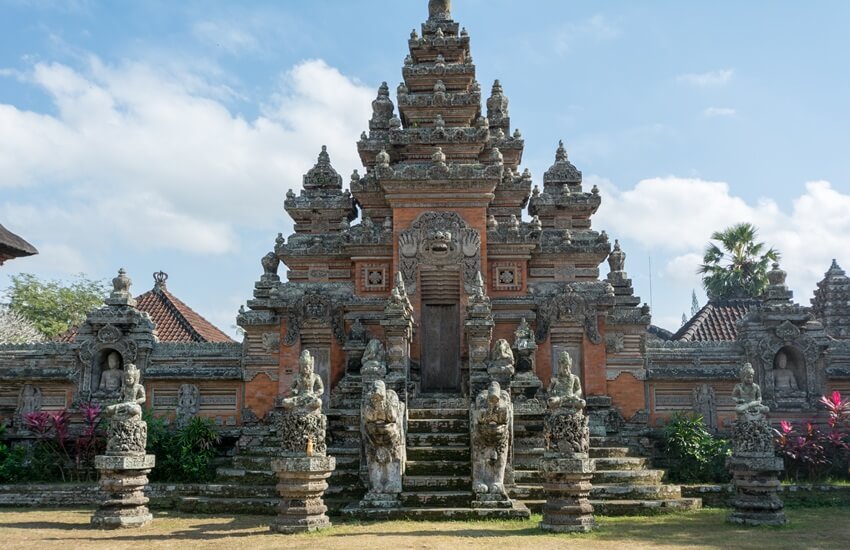
Nearby, don’t miss Lempuyang Temple, home to the famous ‘Gates of Heaven’ – a picture-perfect split gate where everyone tries to take the iconic photo of Mount Agung framed perfectly in the two halves of the gate. Visiting the rest of the complex is well worth it, but it’s a bit of a climb, as it stretches up Mount Lempuyang past smaller shrines and peaceful courtyards. Luckily, there are plenty of spots to pause, catch your breath and take in the sweeping views of eastern Bali.
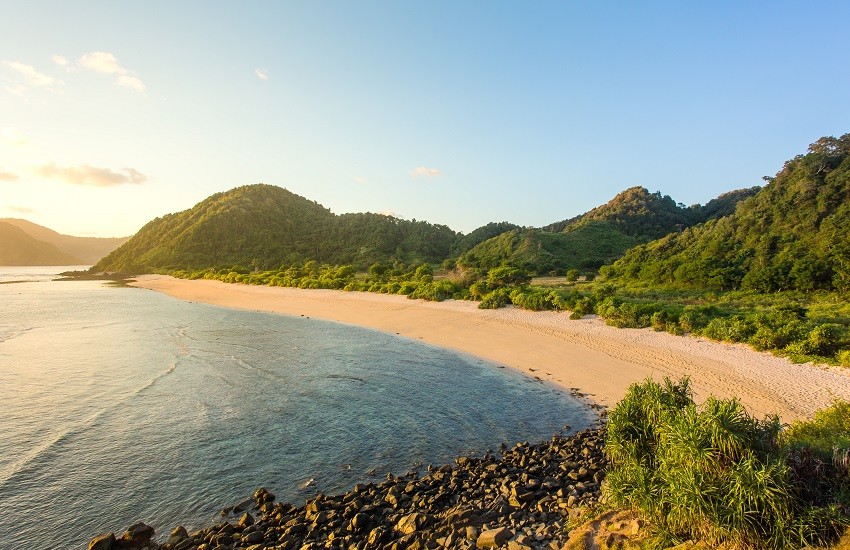
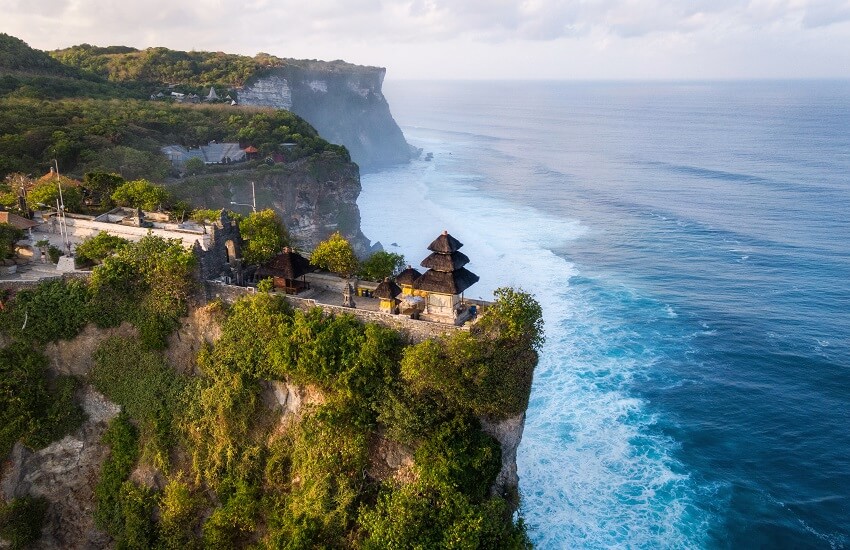
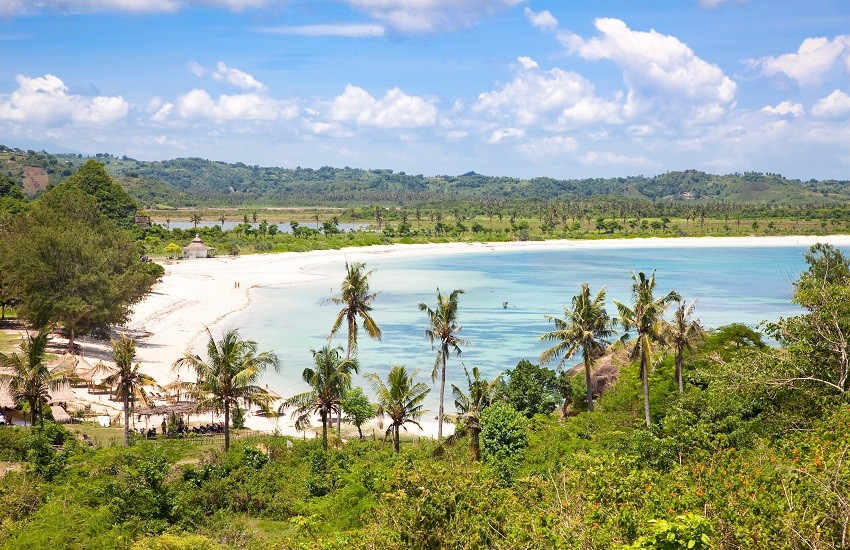
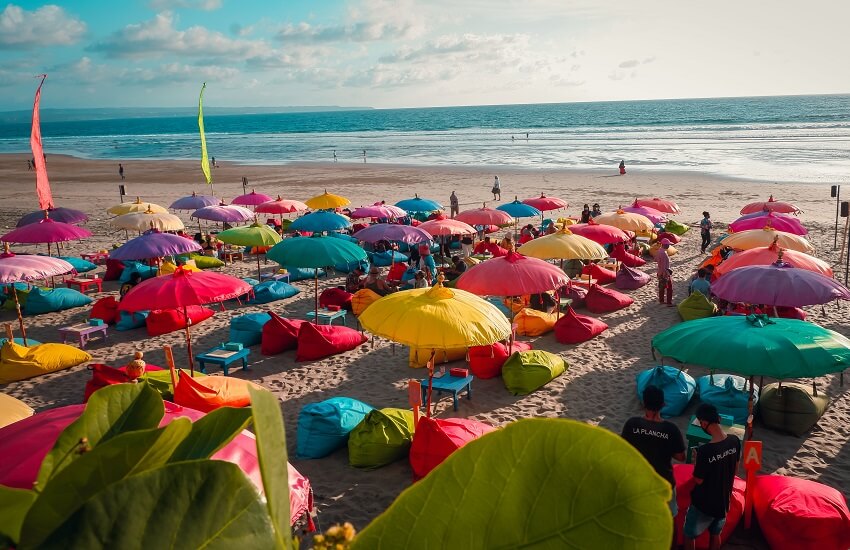
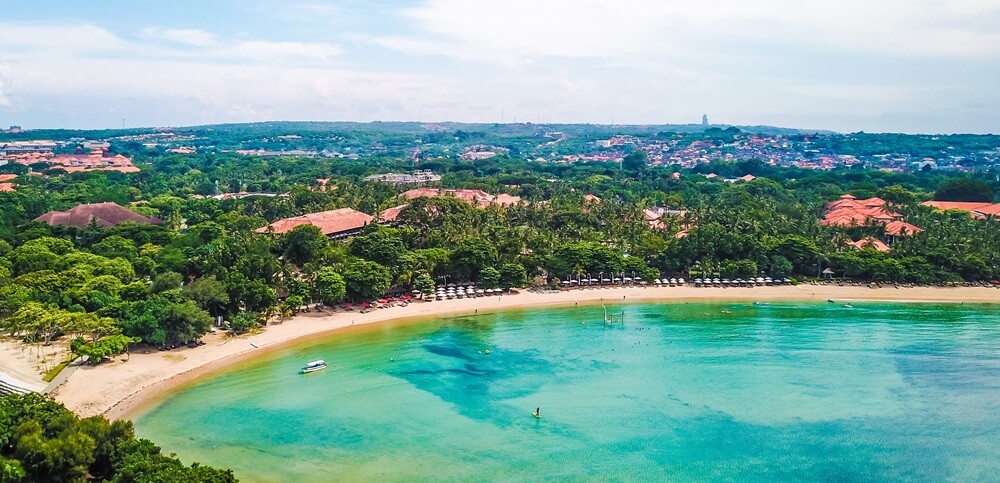
Most people like to finish their Bali holiday at the coast, and while eastern Bali doesn’t have a huge choice of beach resorts, Virgin Beach near Amlapura is a particular highlight, with soft white sand and calm, clear water. In the south, if you’d like to visit somewhere that feels a bit quieter than the well-known strips of Seminyak and Kuta, head to Jimbaran. Its wide bay is dotted with lovely seafood restaurants that set up on the beach each evening. Uluwatu is another good option, perched on a clifftop peninsula, offering dramatic coastal scenery, a famous clifftop temple, and a lively surf scene with a more relaxed vibe than the busier Canggu. Canggu itself still has calmer pockets away from the main strip and is great for a few relaxed days before flying home.
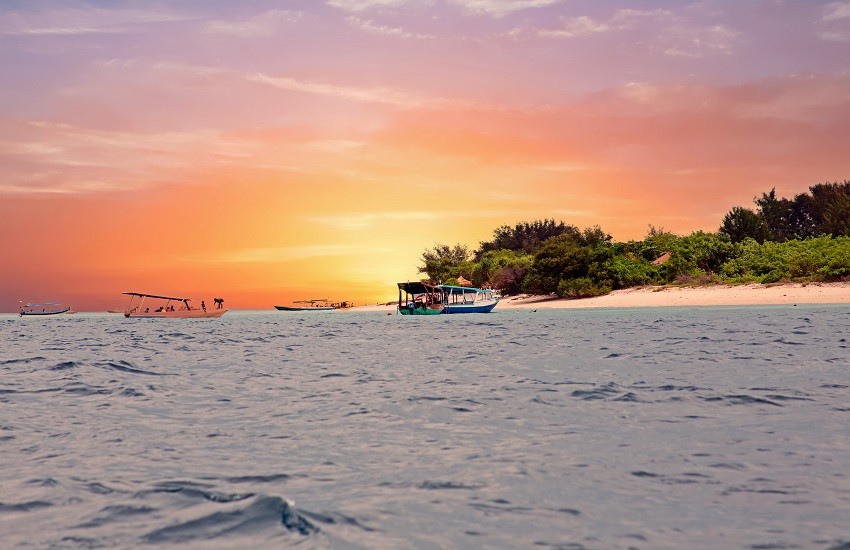
Combining Bali with one of its neighbouring Indonesian islands is also an excellent option. Lombok is the easiest to get to, and around 2-3 hours from Amed via boat, offering tropical shorefronts, garden resorts and Sasak massage spots. Further afield, Sumba boasts long deserted beaches and some of Indonesia’s most luxurious resorts. And if you’d rather swap the beach for an adventure, Flores is the gateway to Komodo National Park, which is home to Komodo dragons and some of the world’s best diving.
If we’ve piqued your interest in discovering the real Bali, away from the more well-trodden spots, get in touch with our team and we’ll start planning your perfect Bali itinerary.
Inspired by the guide? We’ve handpicked a few holidays that bring it to life—perfect for turning travel ideas into reality.