 01706 753 636


Ah, the irresistible charm of España! With delicious tapas, bustling fiestas and a whopping 50 UNESCO World Heritage sites, it is easy to see why Spain is one of the world’s most visited countries. The question, though, is: which Spanish cities are truly worth visiting?
From Barcelona’s architectural wonders to Granada’s magical palaces, and San Sebastian’s sweeping bays and delicious tapas, each city offers its own individual appeal.
If you’d like us to craft your own Multi Centre Holiday to Spain, please get in touch with one of our experts.
Other great mentions include, Bilbao, Pamplona, Oviedo, Salamanca, and Malaga. So, ¡Vamos! Let’s dig deeper into the best cities in mainland Spain, along with some lesser-known cities, so you can find out which ones take your fancy…
With rugged and diverse landscapes, world-class cuisine and incredible landmarks, the cities in the north have a lot to offer.
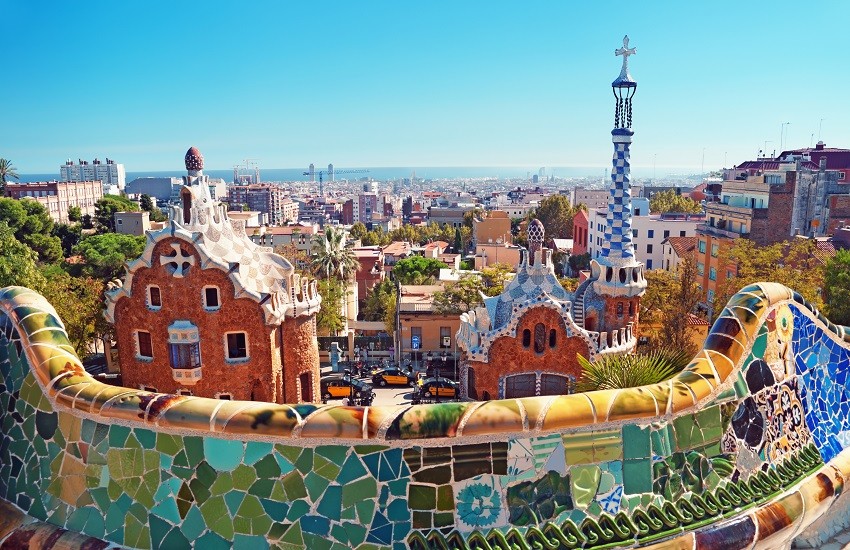
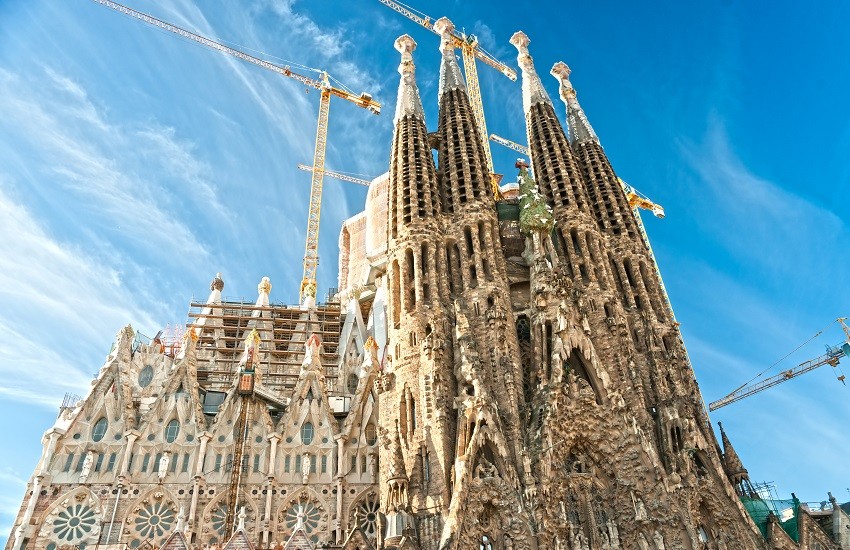
Barcelona, on Spain’s north-eastern coast, is famed for its stunning architecture, vibrant atmosphere, and dynamic mix of beach and city. Getting around is easy with hop-on-hop-off buses, ideal for exploring at your own pace. Gaudí’s distinctive architectural style is evident throughout the city, most famously at the Sagrada Família. Its central Tower of Jesus Christ reached its full height in February 2026, during the centenary year of Gaudí’s death, making it the tallest church in the world. You’ll also find other iconic landmarks such as Casa Batlló, Casa Milà, and Park Güell, with its colourful mosaics and stunning views.
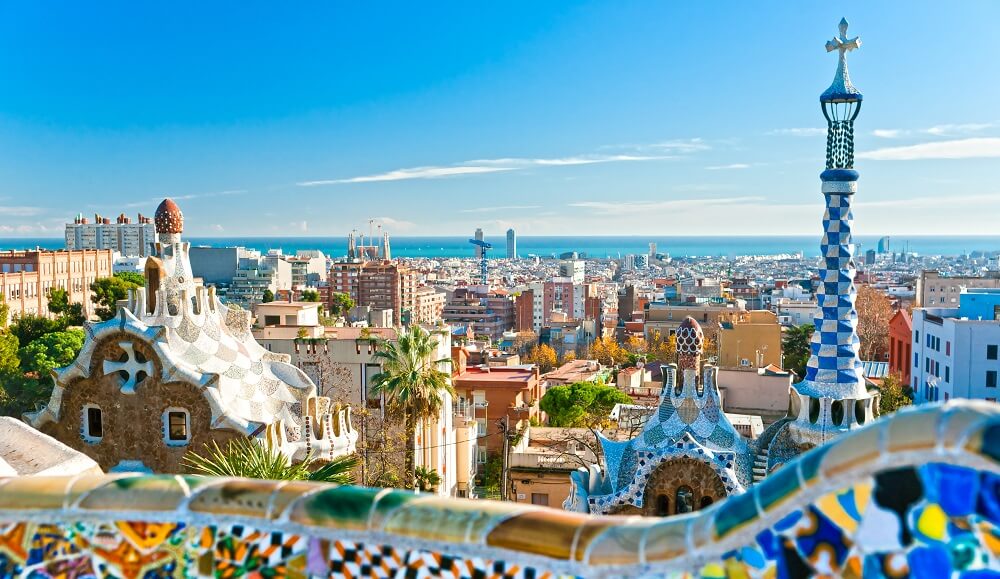
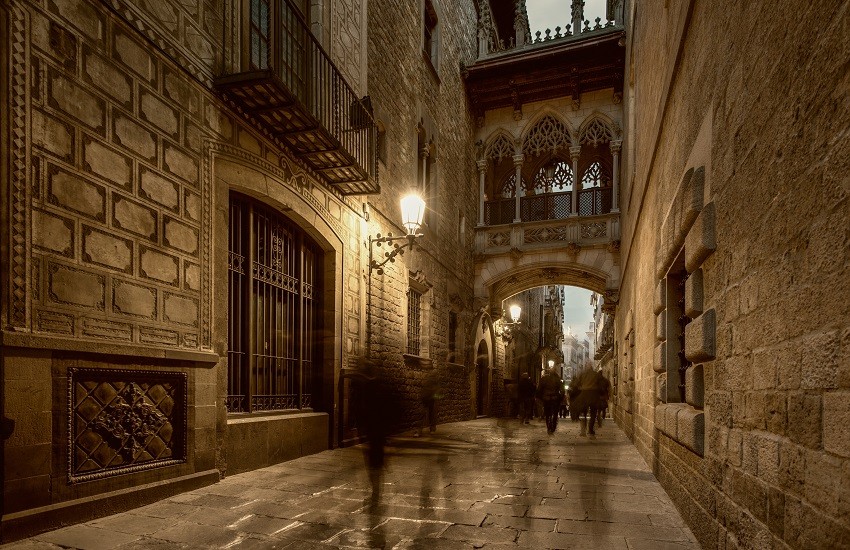
Other major attractions include Port Vell’s waterfront, the historic Gothic Quarter (Barri Gòtic) where you can soak up the medieval streets and Roman walls, and La Rambla, the main street lined with shops, restaurants, lively performers, and La Boqueria market. For football fans, a visit to Camp Nou is a must. Home to FC Barcelona, you can join a stadium tour that showcases the club’s rich history, legendary players and numerous trophies.
Barcelona’s expansive coastline offers sandy shores and clear waters, with Barceloneta Beach known for its lively atmosphere, and Bogatell and Mar Bella beaches offering a more relaxed experience away from the crowds.
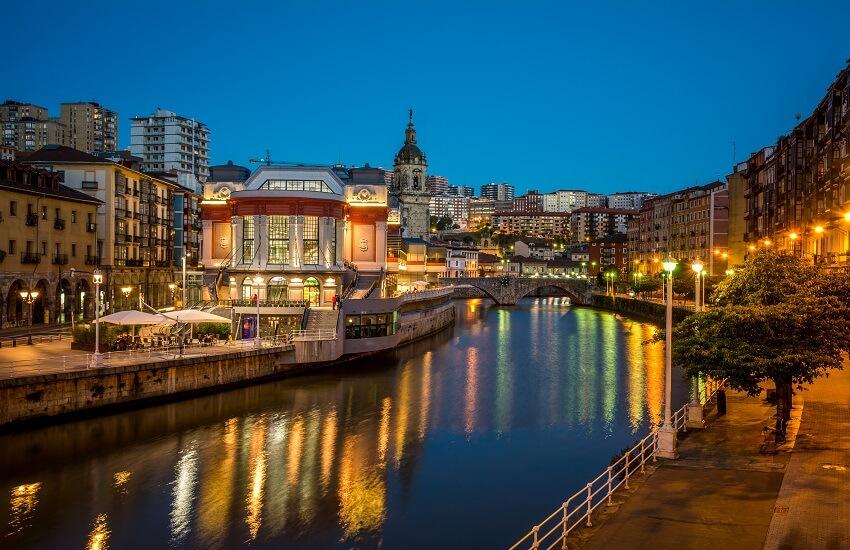
Bilbao is the largest city in the Basque Country and is known for its cutting-edge architecture and vibrant cultural scene. At the heart of the city lies the iconic Guggenheim Museum, a masterpiece of modern design with its striking titanium-clad exterior. Making your way through the vast museum, you’ll come across fascinating works by contemporary artists such as Joseph Beuys, Louise Bourgeois and Jeff Koons.
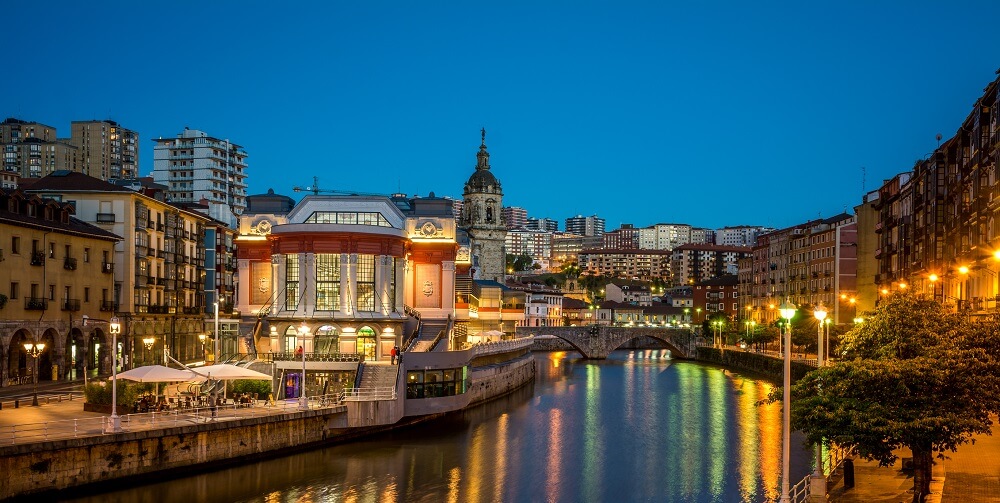
After a day of culture, take a stroll along the river, or sample the delicious pintxos (Basque tapas) in the bustling Old Town with its labyrinth of narrow streets, historic buildings and squares.
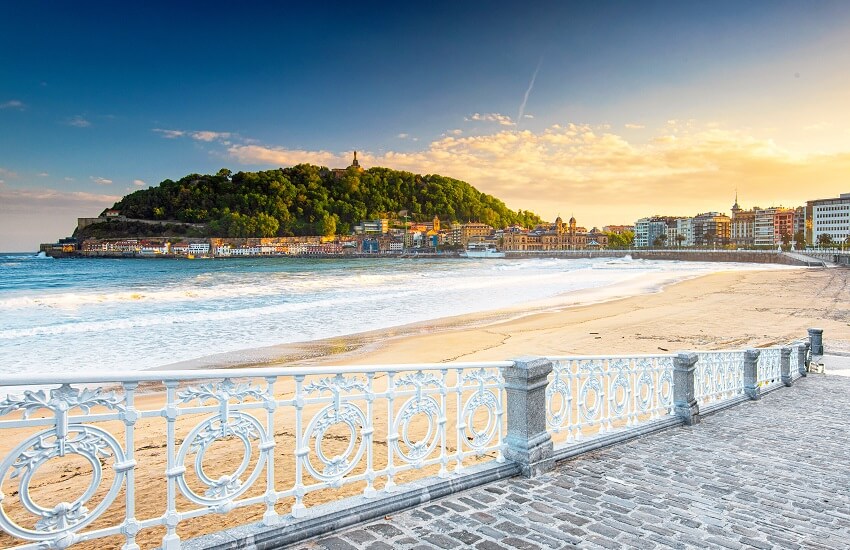
Located along the Bay of Biscay, San Sebastian (also known as Donostia) is the perfect choice if you’re looking to combine a spot of beachside relaxation with the cultural delights of a city. Much like its Basque neighbour, Bilbao, San Sebastian boasts a culinary tradition centred around pintxos bars, where locals and visitors can hop from one establishment to another in an almost ‘pub crawl-esque’ journey of pintxos indulgence!
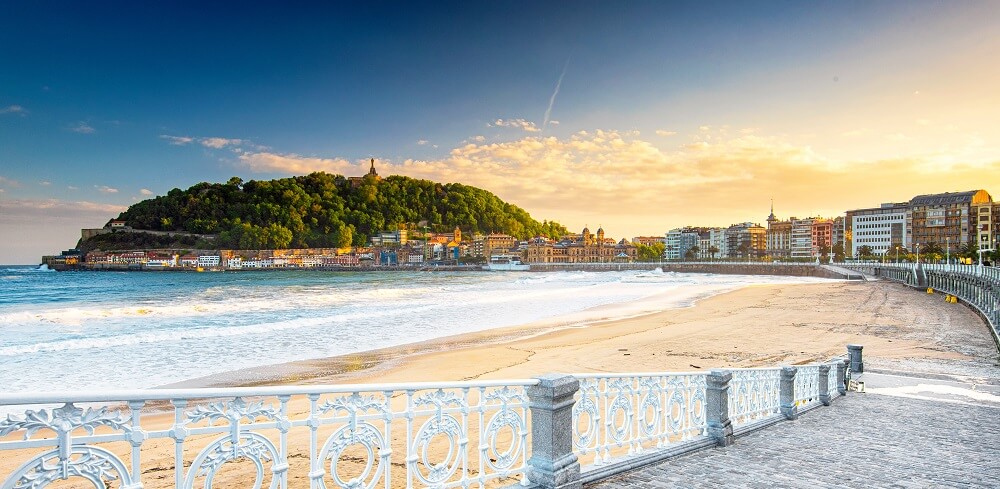
Relax on La Concha Beach, wander round the charming Old Town, or work off the pintxos and head to the Castillo de la Mota, situated on top of Mount Urgull, for a great view of the city and coastline.
You’ve probably heard of Pamplona for its annual Running of the Bulls during the San Fermin festival, but the city offers much more than this once-a-year festival. The medieval Old Town is the perfect place for immersing yourself in the city’s history with its narrow cobblestone streets and ancient buildings. Highlights include the impressive Pamplona Cathedral, the Ciudadela Park, and the popular Plaza del Castillo, the central square that’s perfect for relaxing at a sun-dappled café and watching the world go by.
Santiago de Compostela is the final destination for the Camino de Santiago pilgrimage route across northern Spain, and as such holds great significance as a cultural and spiritual place. At the heart of the city lies the magnificent Santiago de Compostela Cathedral, a UNESCO-listed site with stone carvings, sculptures, and huge towers and spires. Elsewhere, take a stroll around the Old Town, visit landmarks such as the Monastery of San Martín Pinario, and immerse yourself in the city’s lively atmosphere.
Oviedo, the capital of the Asturias region, is surrounded by the north Spanish coast and the Cantabrian mountains. The city boasts a colourful old town, a thriving food and drink scene, and unique pre-Romanesque monuments. Some of the key highlights include the Gothic Oviedo Cathedral with its UNESCO-listed Cámara Santa, and the UNESCO sites on Monte Naranco, such as the Palacio de Santa Maria del Naranco and San Miguel de Lillo. The old town area with its cobblestone streets and little pastry shops has a lively energy, particularly around Calle Sol and Plaza del Paraguas, providing plenty of opportunities to grab a drink and soak up the atmosphere. Other highlights include the San Julián de los Prados, an early 9th century church with an intricately painted interior, the Campoamor Theatre, and the San Francisco Park.
Central Spain boasts some of the country’s most historically significant and culturally rich cities, with impressive monuments, landmarks and world-class museums.
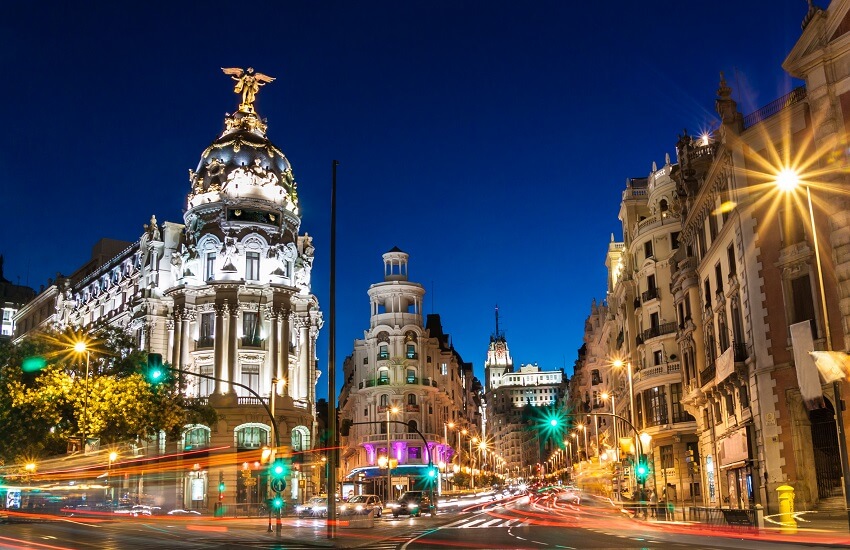
Madrid is situated in the geographic centre of Spain and is famed for its palaces, world-class museums, football and vibrant nightlife. One of Madrid’s highlights is the Royal Palace with its lavish interior and manicured gardens. Nearby, you’ll find the Plaza Mayor, a large square that hosts many events and is lined with cafes and shops. Just a short walk away is Puerta del Sol, the city’s central square famous for its clock that rings in the New Year and the iconic ‘El Oso y El Madroño’ statue which is a beloved symbol of Madrid. The statue features a bear and a tree, which have been symbols of the city for centuries.
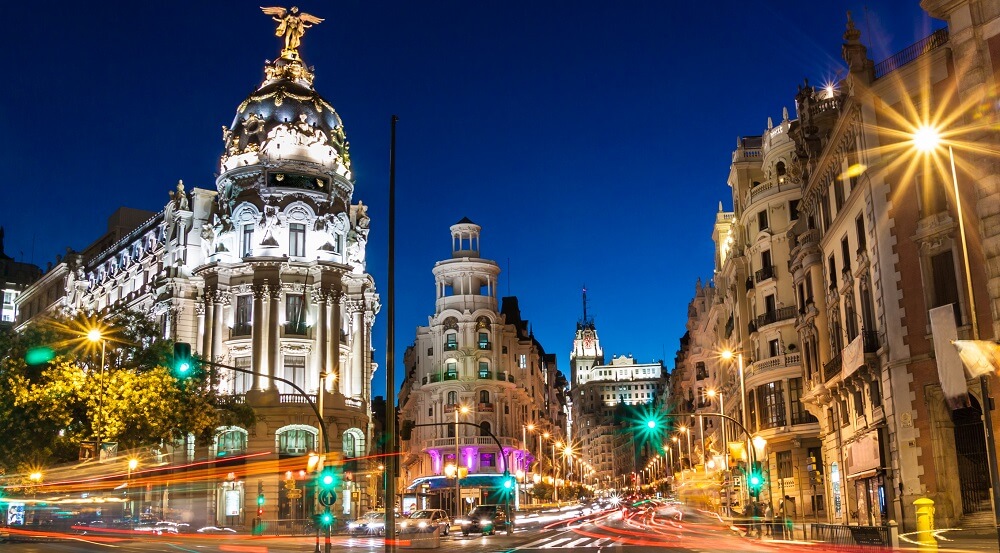
Madrid also has a vibrant modern side and is dotted with skyscrapers, including the iconic Cuatro Torres Business Area, and the Gran Vía, which boasts theatres, cinemas, and a lively nightlife scene. Madrid is also a paradise for football fans, home to two of the world’s most famous football clubs: Real Madrid and Atlético Madrid. Head to The Santiago Bernabéu Stadium, Real Madrid’s home ground, to catch a match or take a tour of the grounds. Similarly, Atlético Madrid’s stadium runs tours and experiences for fans. Finally, art lovers are spoilt for choice. The Prado holds the world’s finest collections of Goya and Velázquez, while the Reina Sofía covers the 20th century with works by Picasso, Miró and Dalí. Madrid truly comes alive at night, especially in the Malasaña and Chueca areas where you can dance until dawn, embracing the Spanish tradition of starting the night late and staying out even later!
Salamanca is renowned for its prestigious university, filling the city with a vibrant, youthful energy. This lively atmosphere is especially evident in the bustling Plaza Mayor, where beautiful sandstone Baroque buildings house cafes, shops, and tapas bars that spill out into the square – particularly coming alive at night. A visit to the two adjacent cathedrals is a must: the Old Cathedral, dating back to the 12th century, and the New Cathedral, a stunning example of Gothic and Baroque architecture completed in the 18th century. Spanning the Tormes River, the Roman Bridge dates back to the 1st century AD and crossing it provides a glimpse into the city’s Roman past plus stunning views of the city skyline. One of the city’s most iconic buildings is the Casa de las Conchas, adorned with over 300 carved shells and home to a public library and exhibition space. Finally, Casa Lis, a beautiful modernist building, houses the city’s impressive collection of Art Nouveau and Art Deco artefacts.
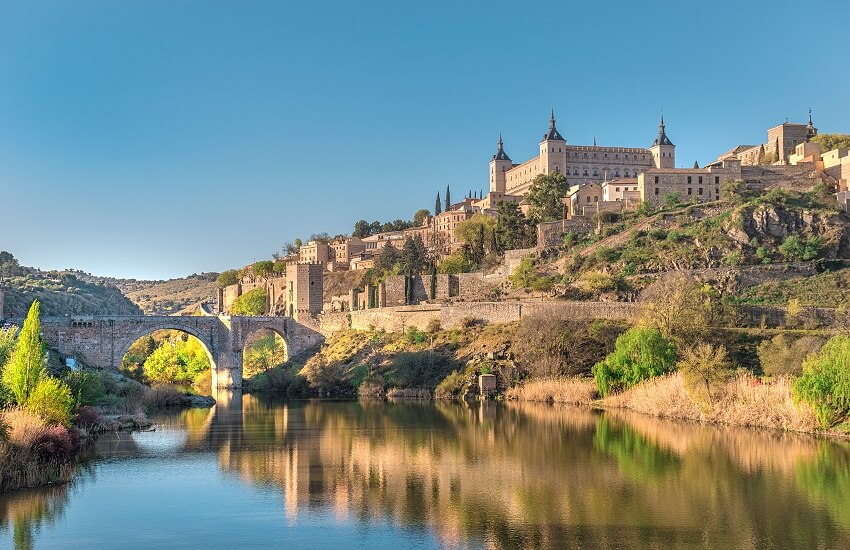
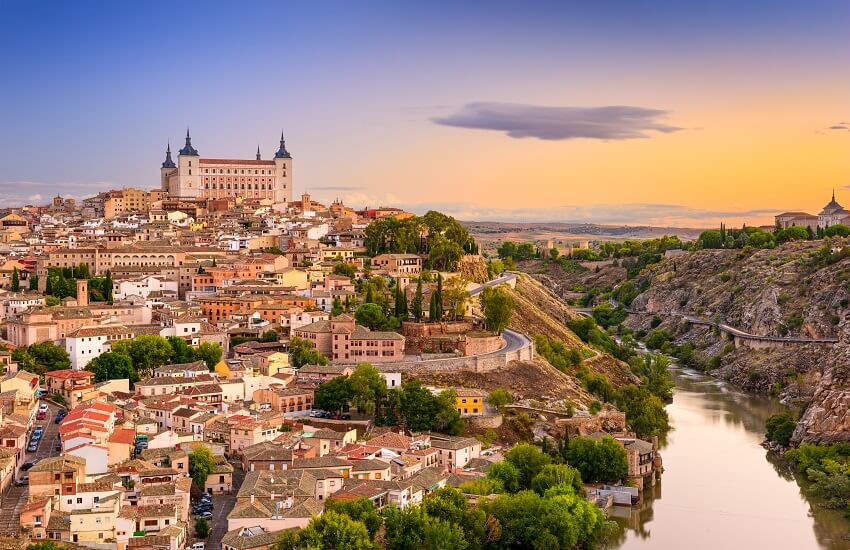
Toledo is perched on a hill overlooking the Tagus River and boasts a medieval appeal quite unlike other cities in Spain. Due to its blend of Christian, Muslim, and Jewish influences, it’s known as the City of Three Cultures and boasts a wide array of architectural landmarks that reflect each religion.
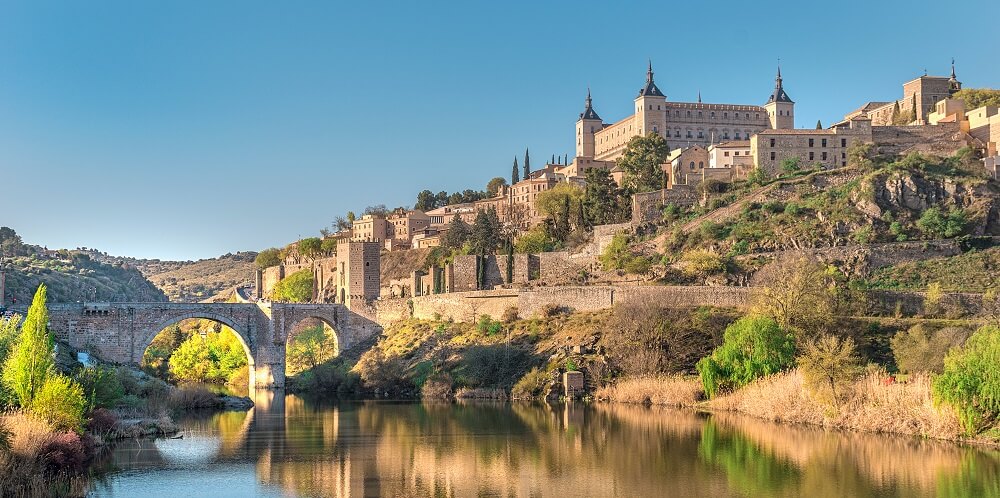
Wandering round the old town, you’ll come across ancient mosques, synagogues, and churches that stand side by side. Head to the Alcázar, a fortress that has served as a royal palace, military barracks, and now houses the Army Museum. You can also learn more about the renowned painter El Greco at the Museo del Greco.
From ancient fortresses to idyllic coastal retreats, the cities of Southern Spain offer an irresistible appeal – made even better by an average of 250-300 days of sunshine each year!
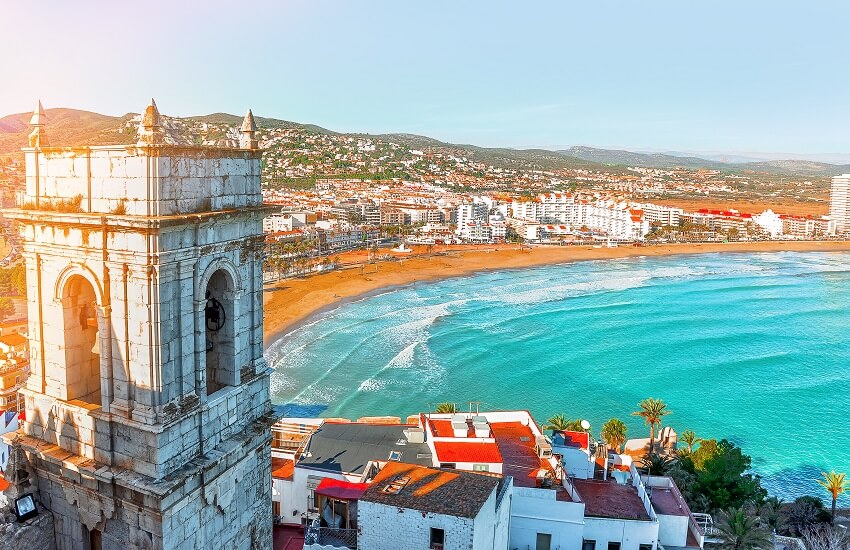
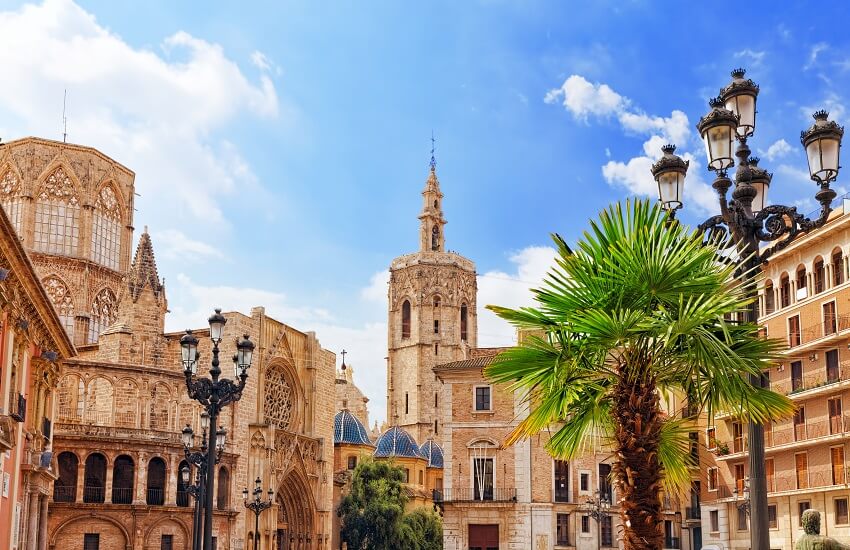
Valencia is on Spain’s southeastern coast, providing the perfect growing conditions for its Valencia oranges under the Mediterranean sun. The city itself boasts iconic landmarks such as the Valencia Cathedral, reportedly the home of the Holy Grail, and the Gothic marvel of the Llotja de la Seda (the Silk Exchange), a UNESCO World Heritage site. Also in the heart of Valencia lies the Mercado Central, where you’ll find over 8,000 square metres of bustling market stalls with rows upon rows of fresh produce.
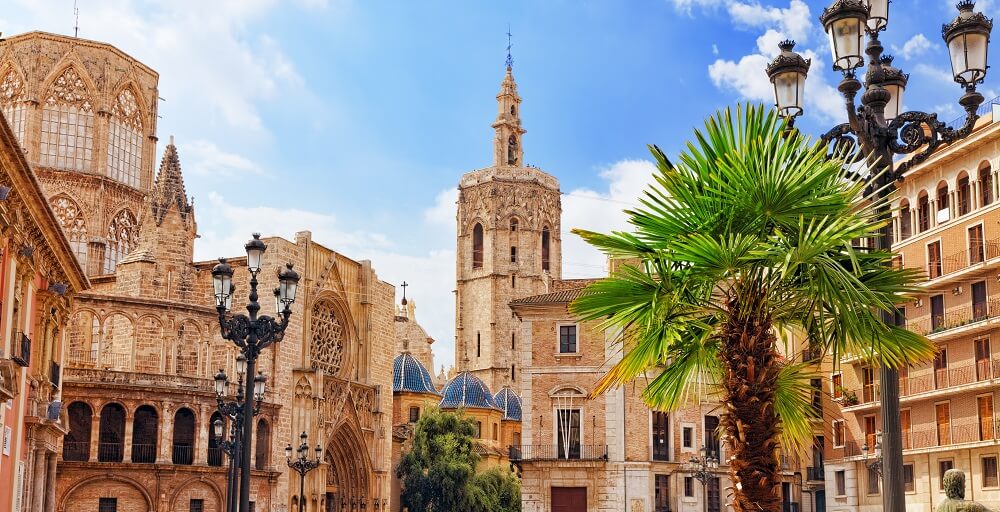
To experience the modern side of Valencia, head to the City of Arts and Sciences which is home to a planetarium, aquarium, and an interactive museum. Or if you need an escape from the city, head to the peaceful Turia Gardens or venture a little bit further to Playa de la Malvarrosa, where golden sands meet the Mediterranean Sea, perfect for a day of sunbathing or swimming.
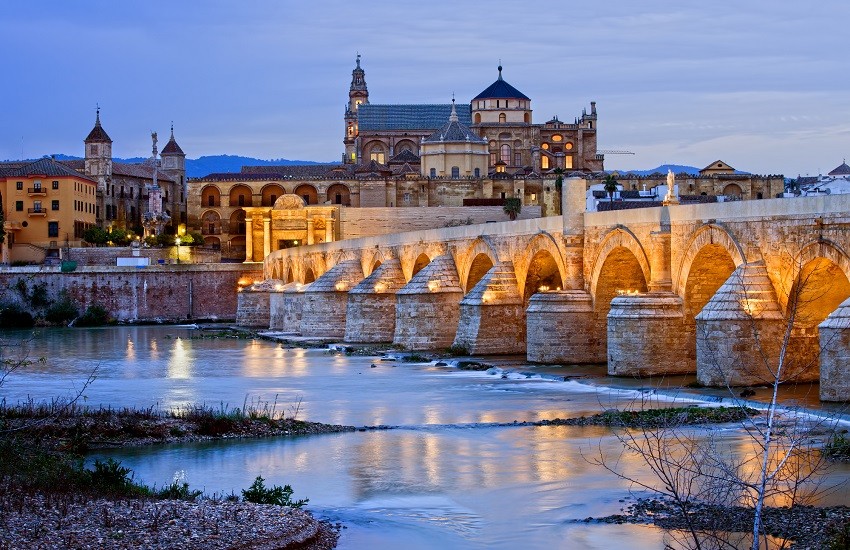
Córdoba, once the capital of Al-Andalus, the Muslim-ruled Iberian Peninsula, boasts a fascinating architectural heritage that mixes Islamic with Christian influences. A must-see is the stunning Mosque-Cathedral of Córdoba, a UNESCO World Heritage site. Or simply stroll through the narrow streets of the Jewish Quarter with its whitewashed buildings covered in vibrant bougainvillea.
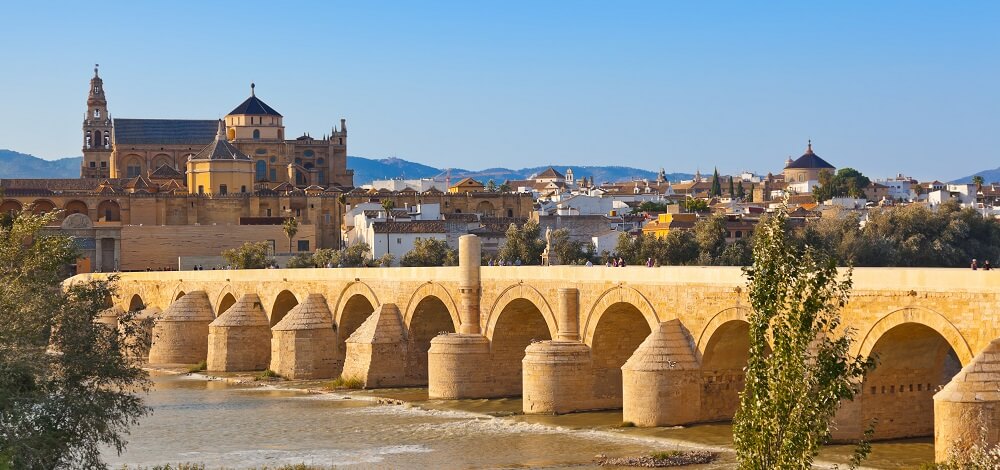
The medieval fortress-palace of Alcázar de los Reyes Cristianos, with its exquisite gardens, offers fabulous views of the city and the Guadalquivir River. If you visit in May, don’t miss the Patio Festival, when locals open their private patios, courtyards, and gardens to the public. This event showcases beautiful floral displays, hanging baskets, and water features, providing a unique glimpse into the private residential spaces of Córdoba that are normally hidden from public view.
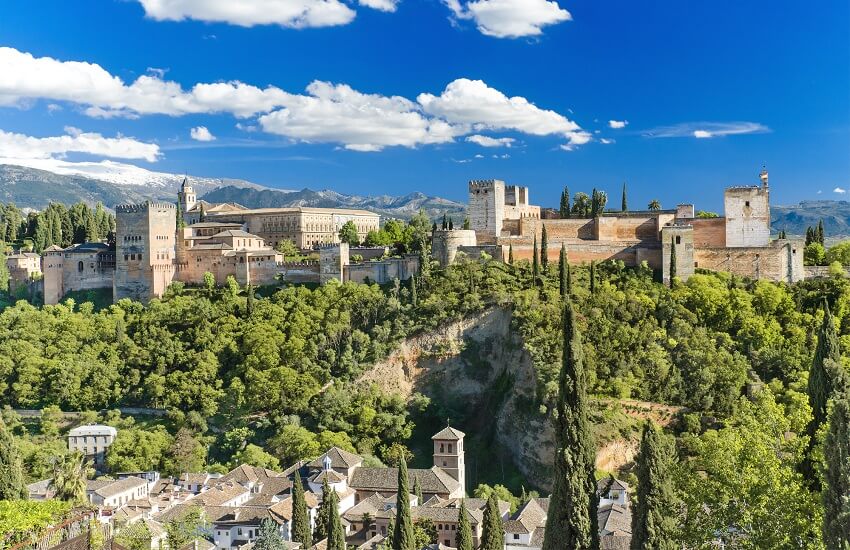
At the foot of the Sierra Nevada mountains in Andalusia lies the city of Granada, best known for its spectacular Alhambra Palace. Positioned on top of a hill, this masterpiece is a wonderful example of Moorish architecture, and you should dedicate a whole day to explore its wonders – and remember to wear some good walking shoes! Within the extensive grounds you’ll find the intricately designed Nasrid Palaces, the Generalife gardens with their fountains and lush vegetation, and the Alcazaba fortress offering panoramic views of the city.
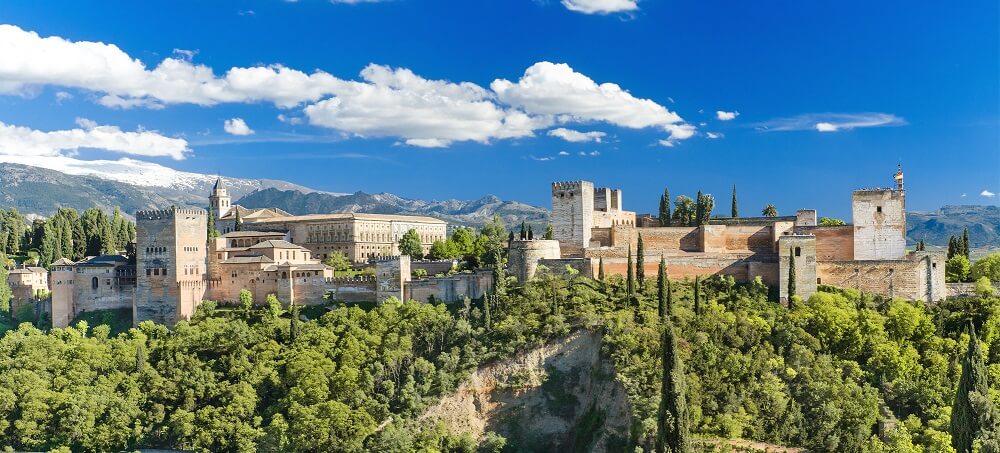
Granada is renowned for its tradition of serving free tapas with drinks – offering the perfect destination for tapas enthusiasts! The city’s streets, particularly around the areas of Albaicín and Realejo, are lined with tapas bars and restaurants and are also a great place to wander around their narrow winding streets and whitewashed houses, soaking up the Moorish ambiance.
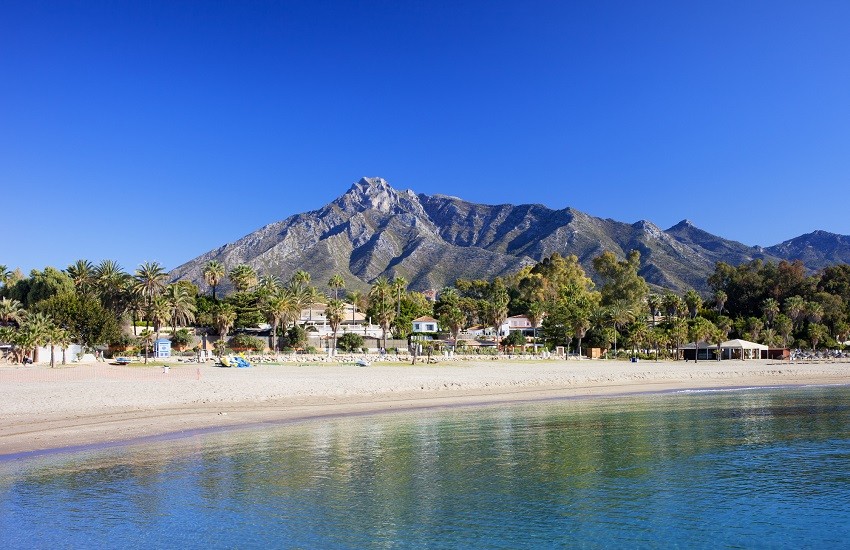
Malaga enjoys over 300 sunny days a year, making it an ideal destination at any time of the year. Often overshadowed by its neighbour Marbella, Malaga has its own unique appeal, boasting bustling markets, lovely tapas bars, and a vibrant street art scene. Not to mention the city’s beaches, including Malagueta Beach, just a short walk from the city centre with golden sands and clear waters.
As the birthplace of Pablo Picasso, Malaga is home to the Picasso Museum, situated in a 16th-century palace, featuring some of the artist’s works. The Alcazaba, an ancient Moorish fortress that overlooks the city and harbour, has stunning views and beautifully landscaped gardens. Another must-see is the Malaga Cathedral, known as ‘La Manquita’ (the one-armed lady) because of its unfinished south tower.
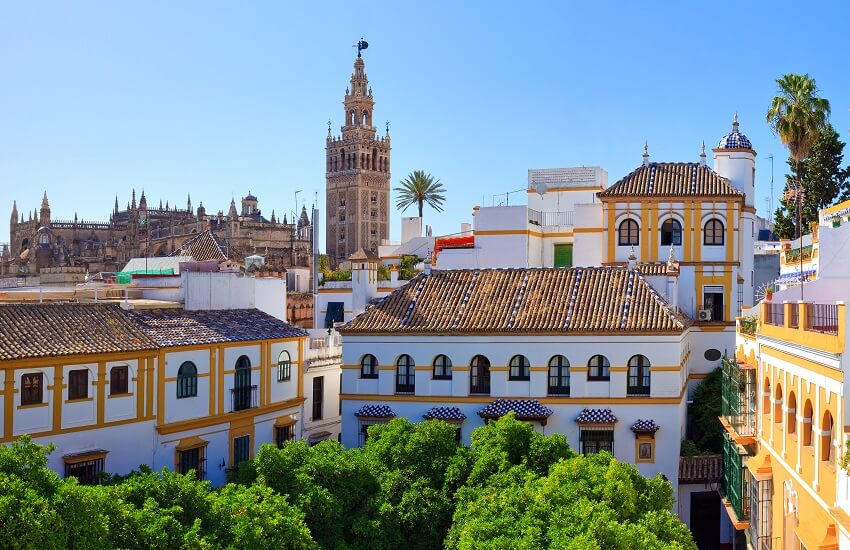
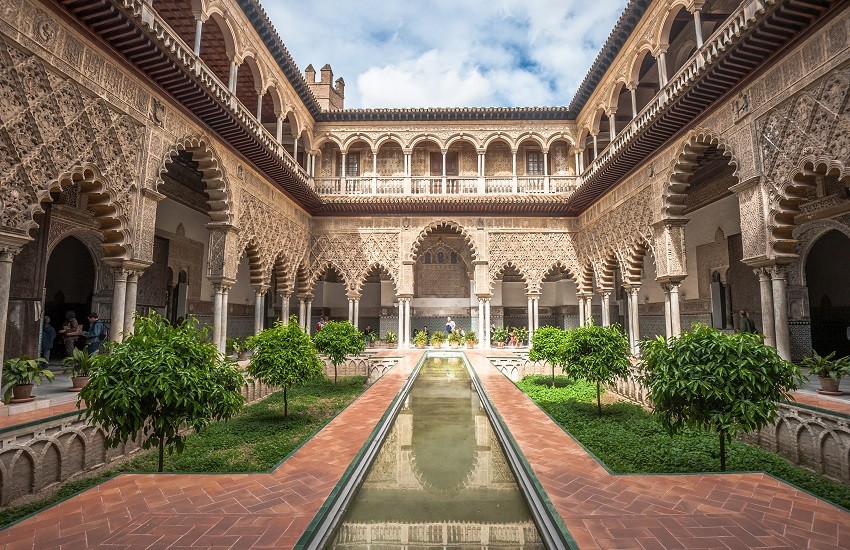
Seville oozes Spanish culture and is especially renowned for its flamenco scene – with shows and performances all over the city, from intimate performances to larger affairs. Strolling through Seville’s maze-like streets you’ll find influences of Moorish, Renaissance, and Baroque architecture, reflecting the city’s fascinating history. As Andalusia’s capital, it is also home to the Seville Cathedral, the world’s largest Gothic cathedral which also houses the tomb of Christopher Columbus. If you’re feeling fit, climb to the top of the Giralda bell tower (unusually via ramps not stairs) for some amazing views of the city.
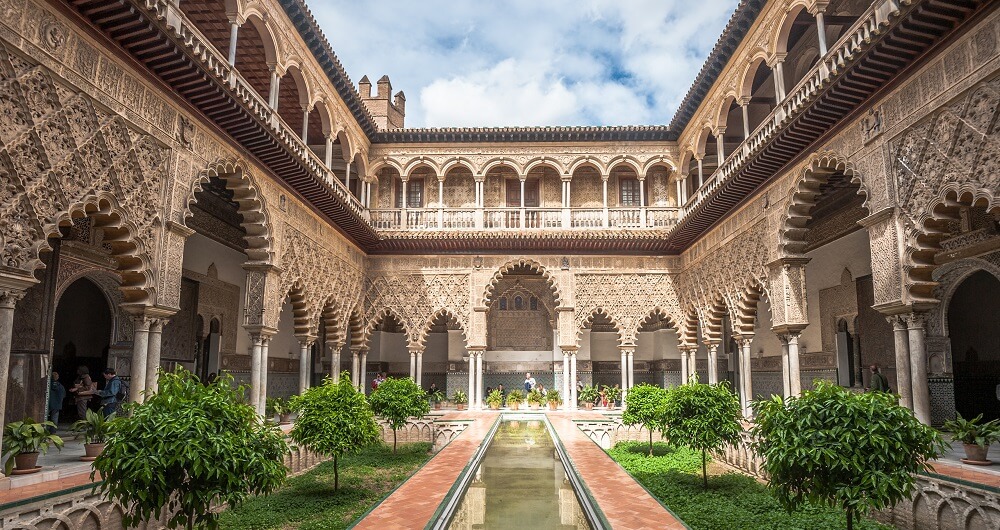
Other highlights include The Alcazar Palace, a masterpiece of Mudejar architecture and the Barrio Santa Cruz, with its narrow alleys and picture-postcard squares.
Cádiz is perched on a narrow peninsula surrounded by the Atlantic Ocean, and dates back to around 1100 BC, making it Western Europe’s oldest continuously inhabited settlement. As you wander through its pretty streets you’ll find bustling bars, picturesque beaches and landmarks such as the elegant yellow-domed Catedral de Cadiz and the compact Casa del Obispo museum. The museum is built on the site of excavated ruins which helps to bring to life the colourful history of Cadiz. For some relaxation and beach time, head to popular beaches such as Playa de la Victoria to soak up the sun. Or head to La Caleta, a picturesque cove sandwiched between two castles: Castillo de Santa Catalina and Castillo de San Sebastian – especially beautiful at sunset.
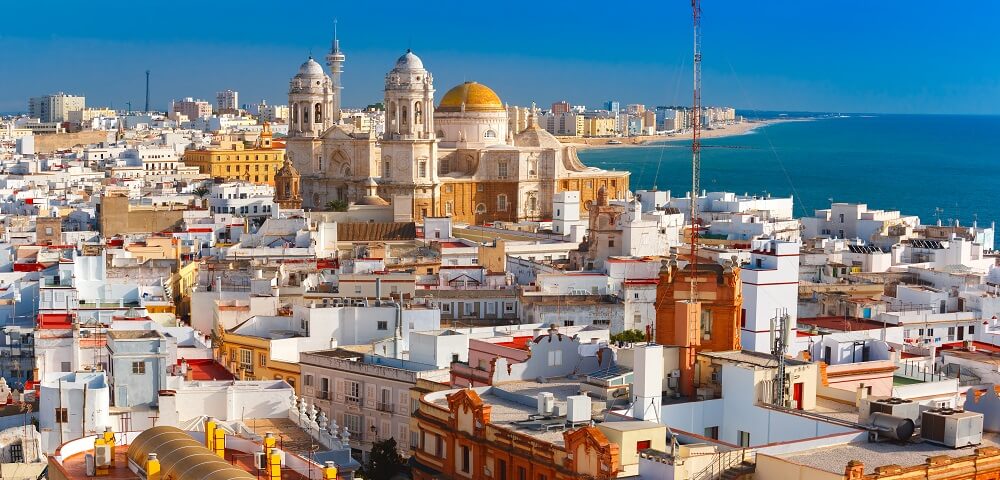
The city’s lively Carnaval de Cadiz is one of Spain’s most famous carnival celebrations, filled with music, colourful costumes, and street performances.
Whichever Spanish city, or combination of cities, you choose, you can expect a warm welcome, fascinating landmarks, incredible food and plenty of opportunities to slow down and enjoy the Spanish way of life. We can tailor make an itinerary linking several bucket list cities, combine sightseeing with time on the beach, or build the trip around a favourite interest, such as food, wine, art or history. Simply tell us what you have in mind and we will help create your perfect Spanish multi centre holiday.
Inspired by the guide? We’ve handpicked a few holidays that bring it to life—perfect for turning travel ideas into reality.