 01706 753 636


Our clients head to New Orleans for different reasons. Some go for the live music, enjoying the jazz and hopping from one Frenchmen Street bar to the next. Others come for the incredible food and restaurant scene. Then there’s the history and the world-famous Mardi Gras.
Here’s our pick of the very best things to do in New Orleans:
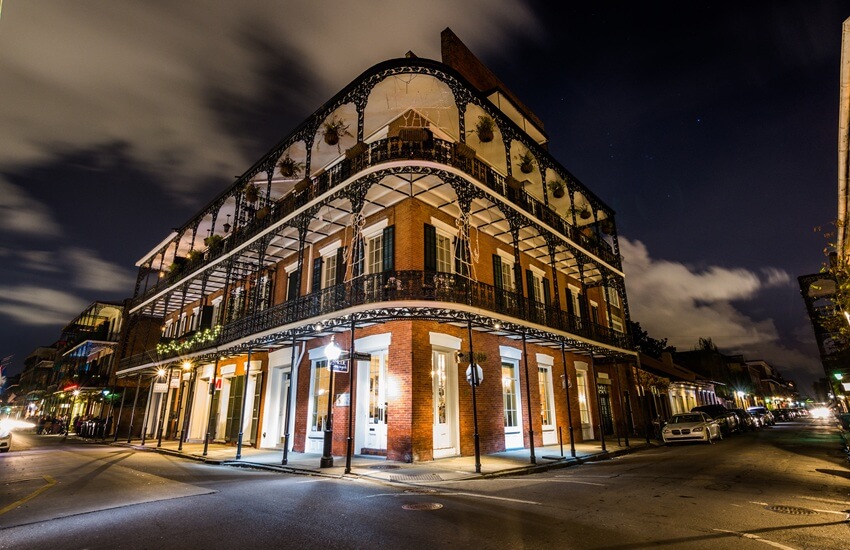
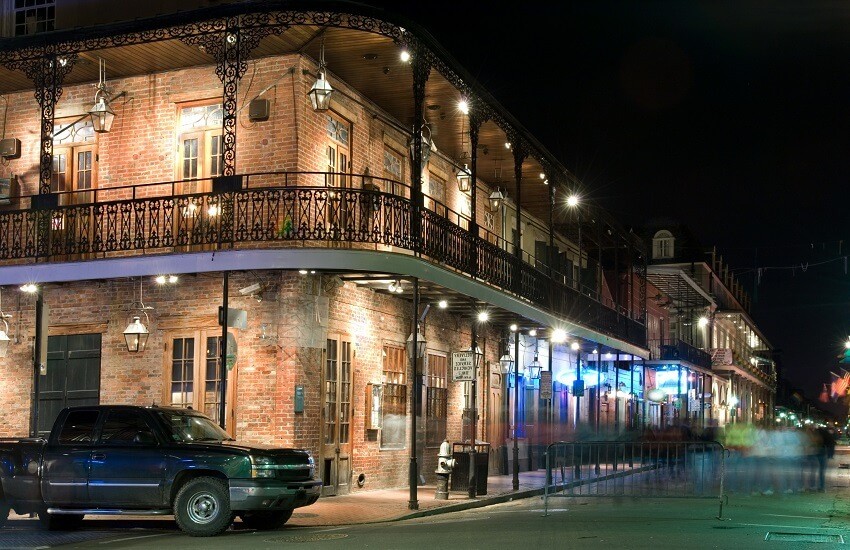
The French Quarter, or Vieux Carré, is the oldest part of New Orleans and what many consider quintessential New Orleans. It’s filled with colourful Creole townhouses, many dating back to the Spanish colonial period, with fern-draped iron balconies, street performers and, of course, live music spilling out of the bars.
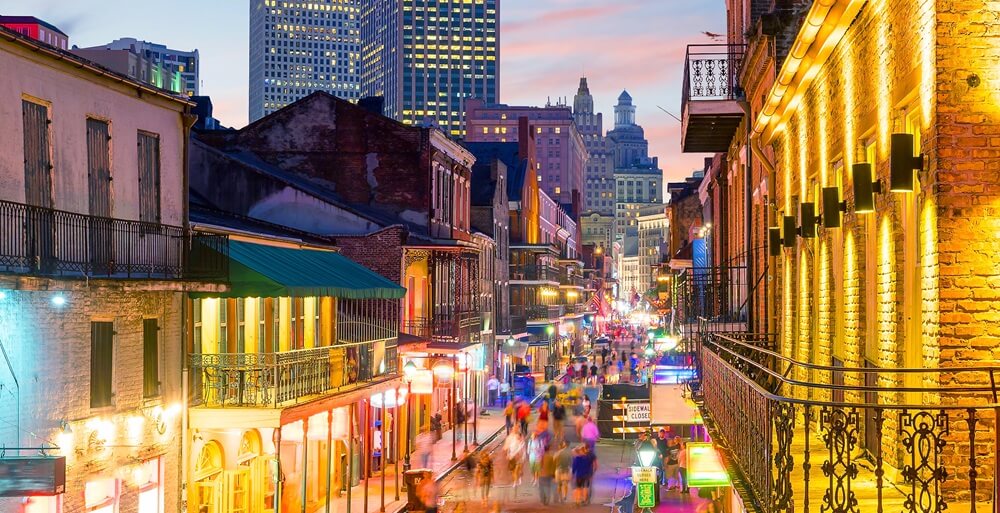
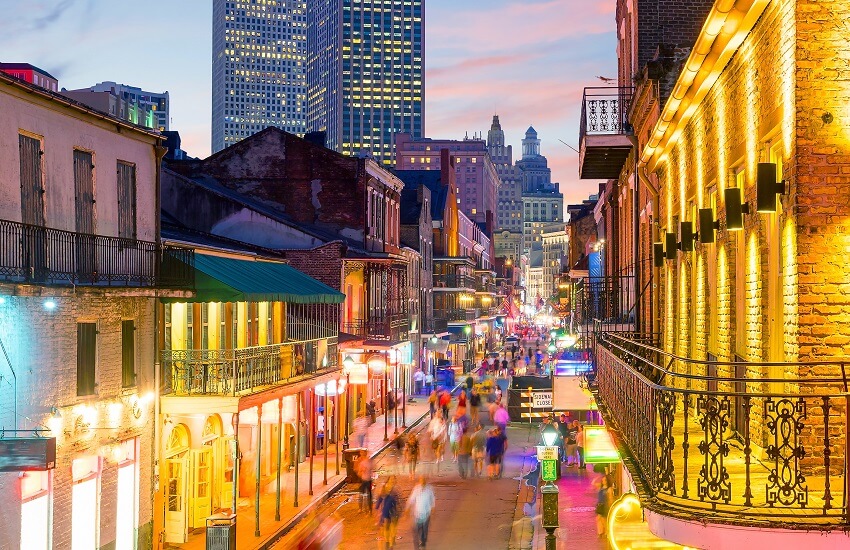
New Orleans is the birthplace of jazz, and still one of the best places in the world to hear it. The liveliest strip is Frenchmen Street, just outside the French Quarter in Marigny. Its streets are lined with bars, most with a band or musician playing. The best approach is to go for a wander and pop into whichever bar sounds like your kind of thing.
For something different, head to Preservation Hall in the heart of the Quarter. There’s no bar, no air conditioning and not much seating, but you will find some of the best traditional musicians in the city. It has been running since 1961 and hasn’t changed much since.
Bourbon Street is a different world altogether, but a New Orleans rite of passage. It’s loud, gregarious and sticky-floored, but lots of fun in small doses.
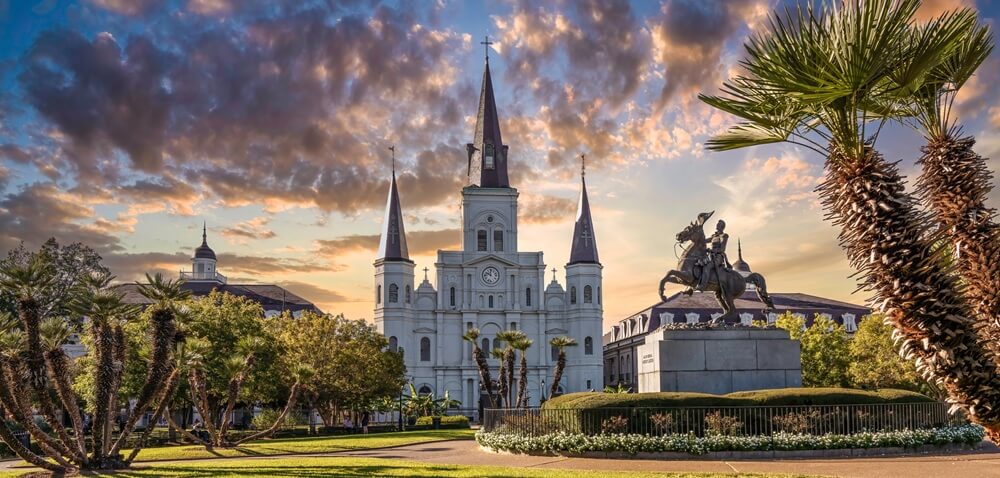
Once you’ve had your fill of music, there’s plenty more to explore in the Quarter. At its centre is Jackson Square, where artists hang their work on the railings and fortune tellers set up their tables. Behind the square, you’ll find St Louis Cathedral (pictured above) and the Cabildo, where the papers were signed in 1803 to hand Louisiana over to the US.
Royal Street is another must-see, with antique shops, galleries and the Historic New Orleans Collection, a museum on the history and culture of New Orleans and the wider region.
Aside from the music, food may be the main reason you want to visit New Orleans, and if so, you won’t be disappointed. The city frequently tops lists of the best places to eat in America. The local cooking is a mix of French, African, Caribbean and Southern influences. Must-try dishes include gumbo (a rich stew with rice), jambalaya (a rice dish) and po-boys (local, crusty French loaf sandwiches stuffed with fried shrimp or roast beef and gravy) and beignets (doughnuts dusted with icing sugar). During the spring months, you’ll also come across crawfish boils, where piles of crawfish are cooked with corn, potatoes and spices before being tipped onto the table for everyone to share. Also try the Bananas Foster, a banana dessert flambéed in rum and brown sugar and set alight at your table.
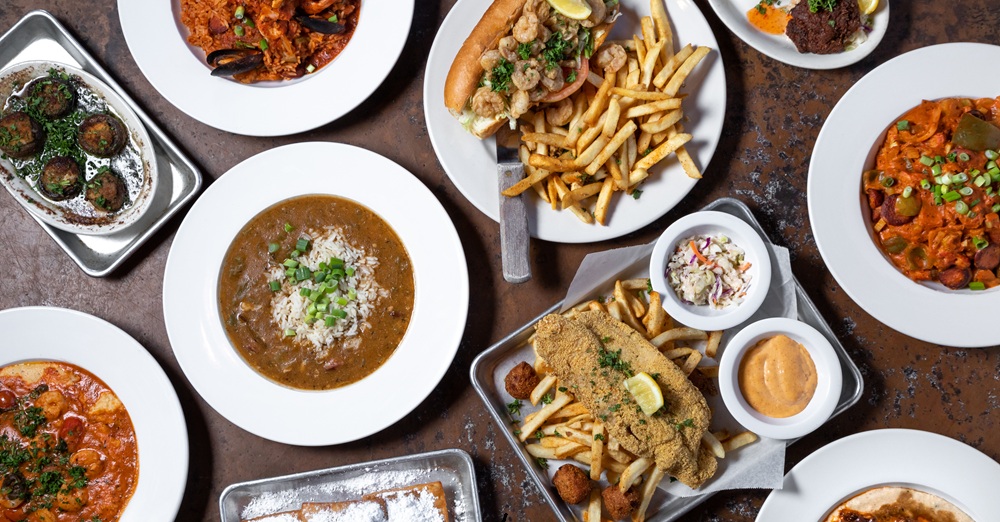
A half-day class with a local chef is a great way to immerse yourself in the local cuisine and learn some dishes to try back at home. And since New Orleans is at the heart of American cocktail culture, you’ll want to try a Sazerac, one of the country’s oldest cocktails. It’s a rye whiskey-based drink made with sugar and the city’s own Peychaud’s bitters. If you’d like to learn more, Sazerac House runs a free self-guided tour tracing the history of the city’s cocktail culture.
About a mile up from the French Quarter sits the Garden District, arguably the most beautiful part of the city and full of grand mansions with large gardens, which is how it got its name. The best way to get there is via the St Charles Avenue streetcar (pictured below). It’s been running since the 1830s and takes you on a ride beneath a tunnel of oak trees. It’s a really wonderful way to take in the area before you arrive.
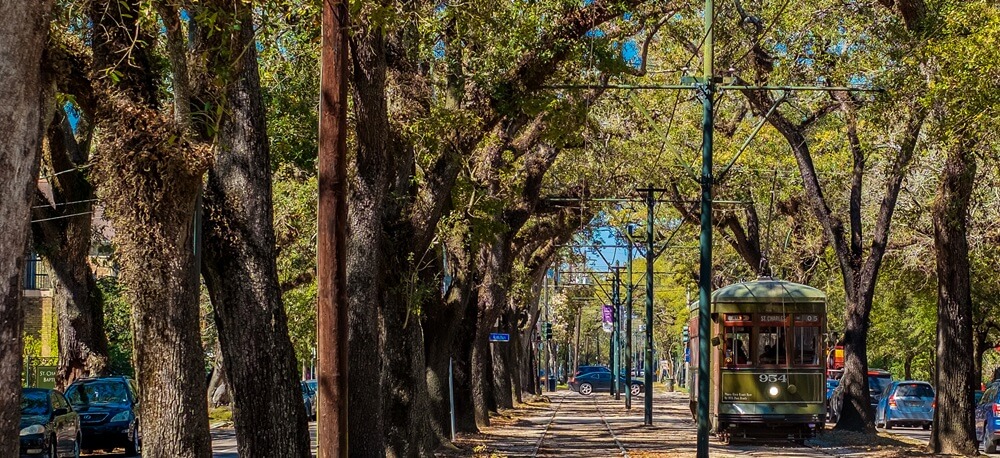
Once you’re there, you can either take a guided walking tour or simply explore under your own steam, wandering oak-lined streets and passing the grand houses and the occasional celebrity home with their columns, symmetrical fronts and big verandas. Lafayette Cemetery No. 1 is also in the Garden District, although it’s been closed for restoration for a while, so you can only currently admire its tombs through the railings. And if you’re ready for a coffee after all that walking, head to nearby Magazine Street, which offers six miles of independent shops, cafés and bars.
New Orleans is home to the huge National WWII Museum. Spread across seven acres, it’ll take you at least half a day to explore it all with its immersive exhibits, restored aircraft, tanks, torpedo boat and a 4D cinema experience. For more history, head to St Louis Cemetery No. 1 (pictured below), the city’s oldest cemetery and original ‘city of the dead’, plus the supposed resting place of voodoo queen Marie Laveau. You can only visit with a guide, though, rather than wandering in alone.
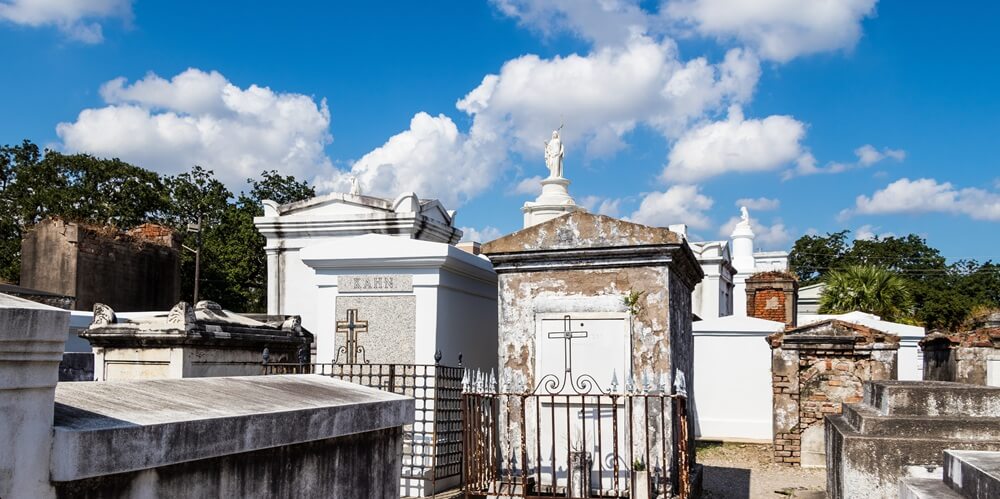
For something more celebratory, Mardi Gras World takes you behind the scenes at the warehouse where the carnival floats are built, all year round. Although there’s nothing like the real thing! In the weeks leading up to Shrove Tuesday, the city throws itself into parade season, with brass bands, elaborate floats and crowds taking over the streets. It’s colourful, chaotic, and totally brilliant.
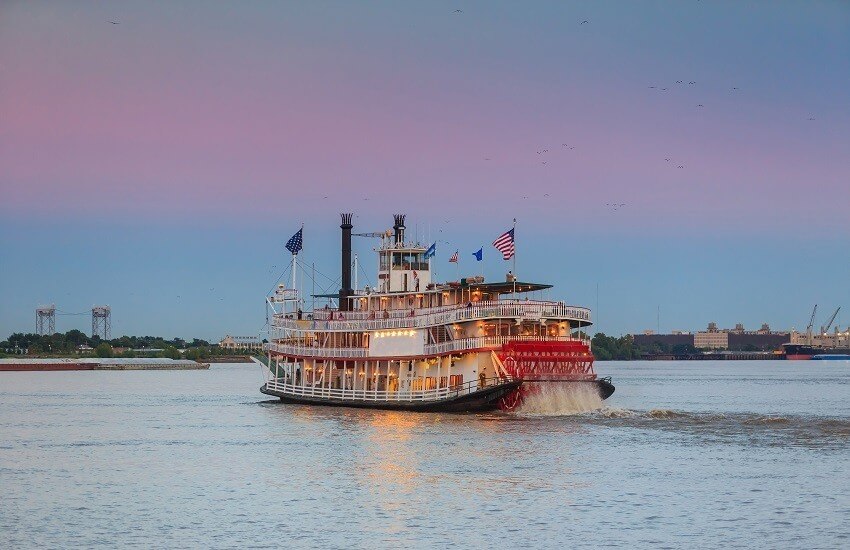
The Mississippi River famously runs through the city, and its great bend around the old town is what earned New Orleans its second nickname, the Crescent City. If you want to experience it the traditional way, hop on a traditional paddle steamer with a jazz band. If you prefer to stay on dry land, Crescent Park follows the curve of the river just downstream of the Quarter, with some of the best views of the water and the skyline. For something more ambitious, New Orleans is also a departure point for multi-day cruises up the Mississippi, gliding between Southern towns with Creole cooking, live music and river history along the way.
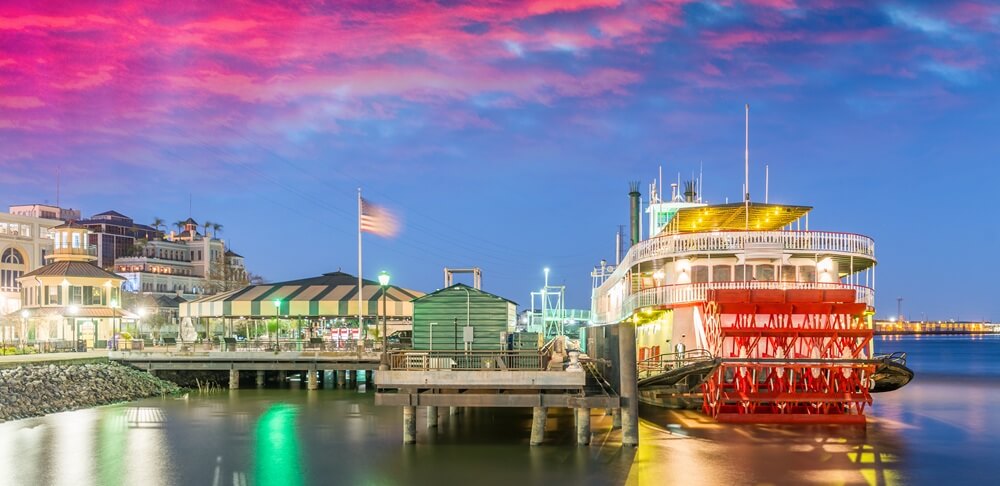
You can also take swamp tours into the cypress bayous to spot alligators. The smaller pontoon boats are generally better than the bigger, noisier airboats and can slip quietly into the narrow channels where the alligators sit, with the guide helping you to spot the wildlife.
A bit further afield, but well worth the trip, head to Whitney Plantation. This former sugarcane plantation on the stretch of the river between the city and Baton Rouge tells its story entirely from the point of view of the enslaved people who lived and worked there. For many of our clients, it is one of the most memorable parts of their trip.
New Orleans is a fabulous destination in its own right, but it especially works well as part of a bigger US adventure. Combine it with the other legendary music cities on our Chicago, Memphis & New Orleans holiday, or balance the city with some beach time on our New Orleans & Mexico twin centre. Or go for something completely bespoke. Just get in touch, and we’ll build the perfect trip around you.
Inspired by the guide? We’ve handpicked a few holidays that bring it to life—perfect for turning travel ideas into reality.