
Share this article:


East Africa is the spiritual home of safari, and still one of the best places to experience it. From Kenya’s iconic savannahs and Tanzania’s endless Serengeti to the gorilla forests of Uganda and Rwanda, the landscapes feel like your very own nature documentary brought to life. You can almost hear Sir David Attenborough’s voice as you watch a pride of lions doze underneath an acacia tree, or witness hundreds of wildebeest dive into a crocodile-filled river.
Our favourite East Africa itineraries combine multiple destinations, and the distances are often more manageable than you’d think. A short drive means you can swap the Serengeti’s endless plains for the extraordinary wildlife spectacle of the Ngorongoro Crater, and Uganda and Rwanda are just a quick flight from Nairobi.
TL;DR: Top Safari Destinations in East Africa
Kenya: The classic safari destination with vast savannahs, the Masai Mara and the Great Migration.
Tanzania: Wide-open, dramatic wilderness with the Serengeti, Ngorongoro Crater, and the Great Migration’s calving season spectacle.
Uganda: Adventurous safaris with incredible mountain gorilla trekking at Bwindi and excellent chimpanzee experiences.
Rwanda: Premium, well-organised gorilla trekking with a strong conservation focus plus Akagera’s Big Five savannah safari.
The Best of Kenya
Kenya is home to some of the most famous safari parks in the world and is one of the easiest destinations in Africa to get to and get around. It ticks all the boxes of the classic safari from the open plains of the Masai Mara to the elephant-filled Amboseli beneath Kilimanjaro.
Masai Mara: Big Cats, the Big Five & the Great Migration
The Masai Mara is Kenya’s piece de resistance. Its huge, rolling grassland is home to the Big Five, with lion sightings reliable all year round. You’re also more likely to spot cheetah and leopard here than almost anywhere else in Africa.
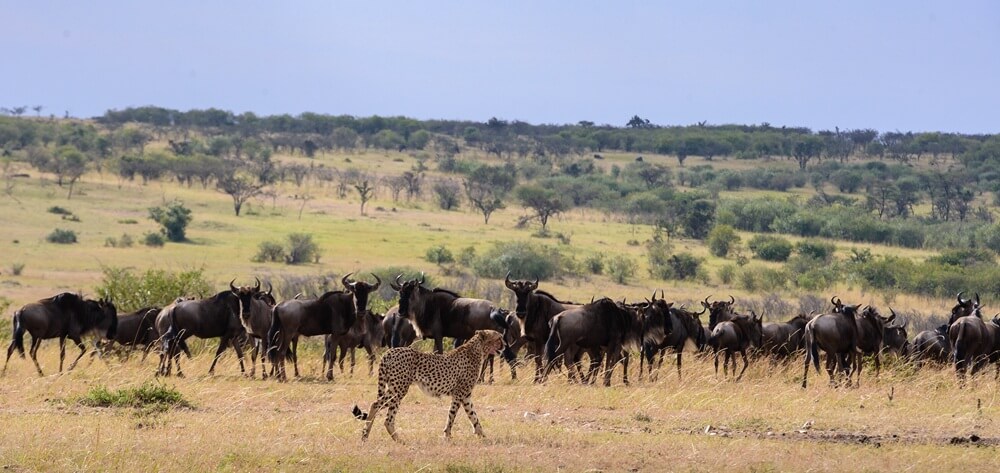
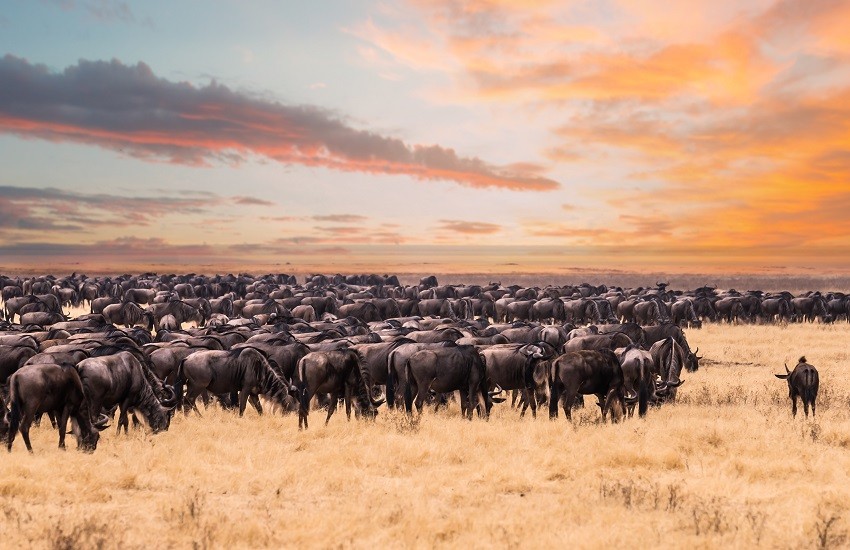
But the real draw is the Great Migration. Between July and October, around 1.5 million wildebeest, plus hundreds of thousands of zebra and gazelle, journey north across the Mara River from Tanzania’s Serengeti in an incredible spectacle. You’ve probably watched the river crossings, where crocodiles lie in wait as thousands of animals plunge into the water on TV, but seeing them in real life is an entirely different and totally magical experience.
Amboseli National Park: Elephants & Kilimanjaro
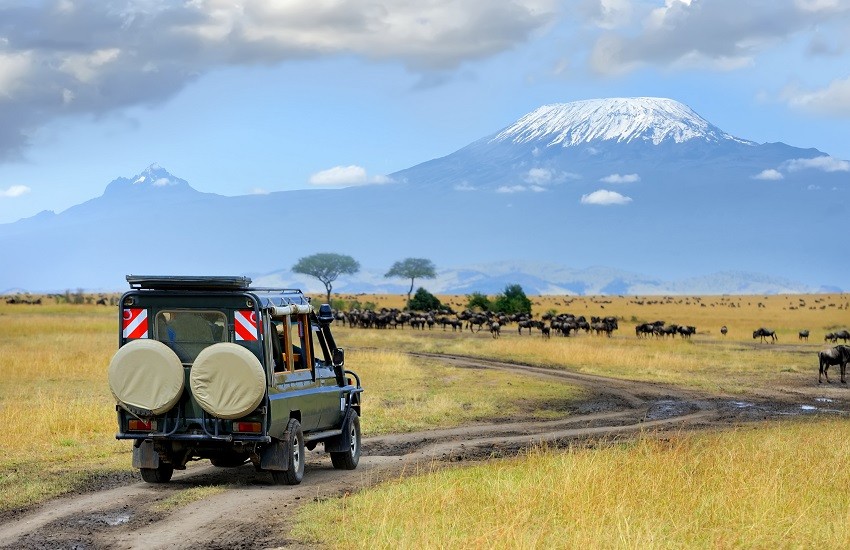
Amboseli sits at the foot of Kilimanjaro and is home to enormous herds of elephants that roam the open plains. On a clear morning, the combination of elephants, acacia trees and Kilimanjaro framed against a blue sky is simply breath-taking. It’s a relatively small park and very accessible from Nairobi, which makes it a great option for shorter trips or as a first stop before heading to the Masai Mara. Lion, cheetah, buffalo, and giraffe are also regularly spotted here.
Samburu National Reserve: Rare Wildlife & Wild North Kenya
Situated in the north of Kenya, Samburu has a completely different feel. It’s drier, wilder and far less visited. The big draw here is a set of species you won’t find anywhere else: the reticulated giraffe, Grevy’s zebra, Somali ostrich, and the gerenuk (a gangly antelope that stands on its back legs to feed from bushes). It’s a brilliant addition to a Kenya itinerary and is perfect with a trip to Lake Nakuru and the Masai Mara.
Lake Nakuru National Park: Rhinos & Flamingos
Lake Nakuru is small, incredibly biodiverse, and one of the best parks for spotting both black and white rhino.
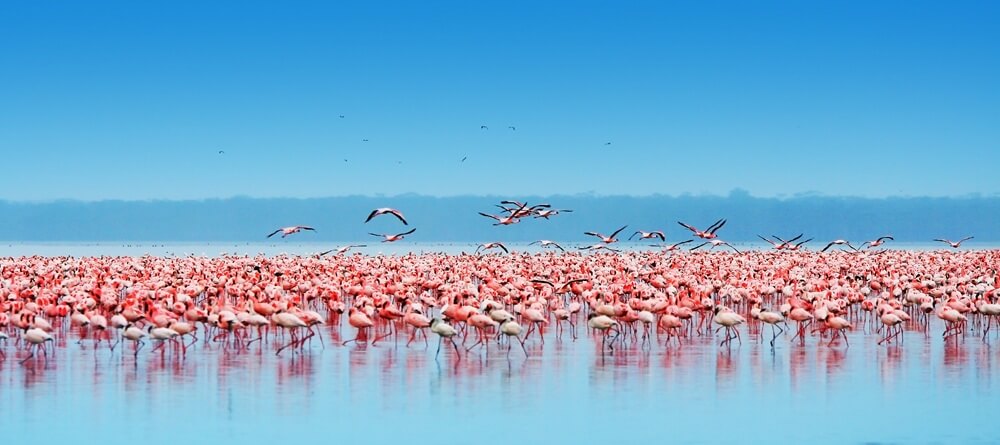
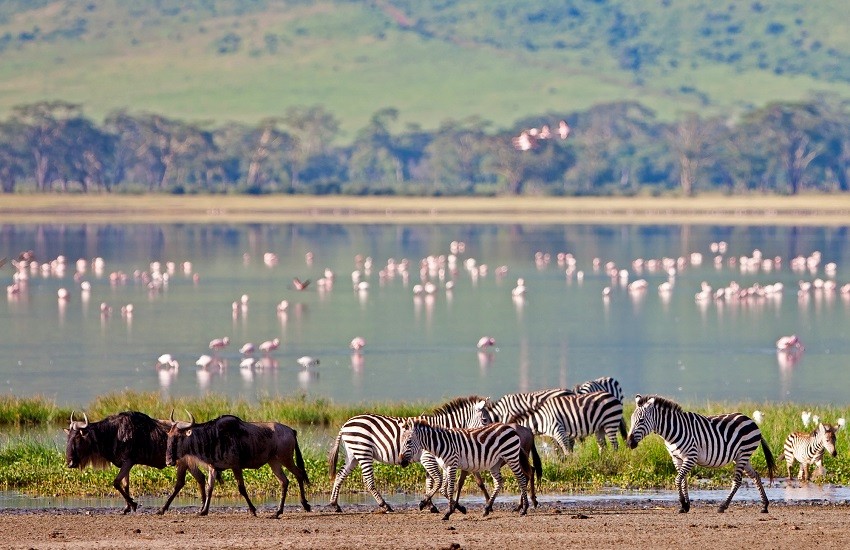
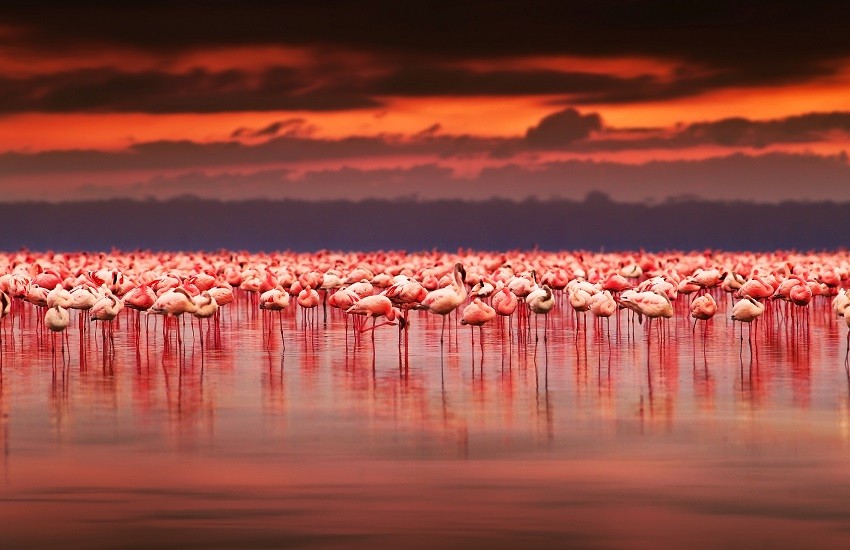
The lakeside scenery is also utterly stunning, with flamingos (depending on conditions), waterbuck, lion, leopard, and buffalo all found here too.
Ol Pejeta Conservancy: Rhino Conservation & the Big Five
Ol Pejeta is home to the world’s last two northern white rhinos (yes, there are only two left on earth, and they’re here!), as well as excellent Big Five game viewing, a chimpanzee sanctuary, and some incredible conservation work. It sits in the Laikipia Plateau north of Mount Kenya and is ideal to combine with a visit to Samburu.
The Best of Tanzania
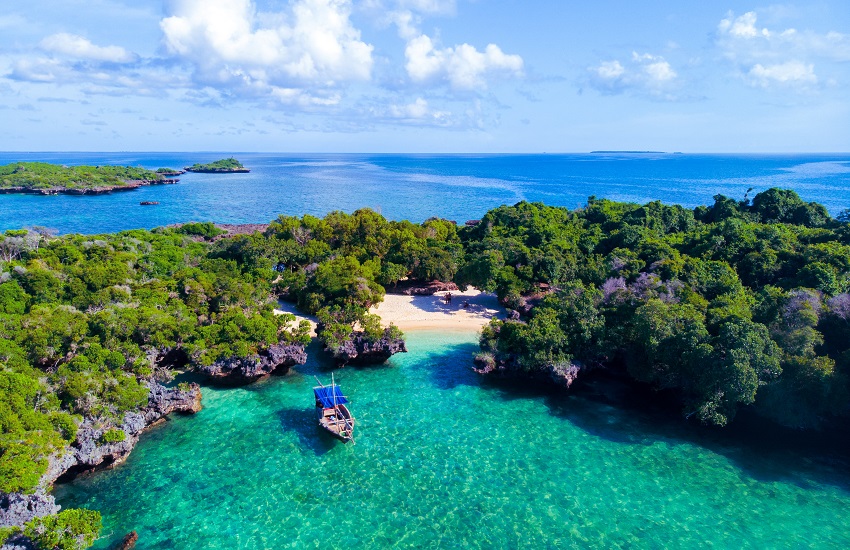
Tanzania is Africa’s quintessential safari destination. About a quarter of the country is protected wilderness, and its parks and reserves include some of the most iconic wildlife landscapes. It also boasts the added volcanic wonder of the Ngorongoro Crater, the wilderness of Ruaha and Nyerere. And, for a spot of R&R, it is ideally placed to combine with a trip to the stunning beaches of Zanzibar.
Serengeti National Park: Classic Safari Experience & Calving Season
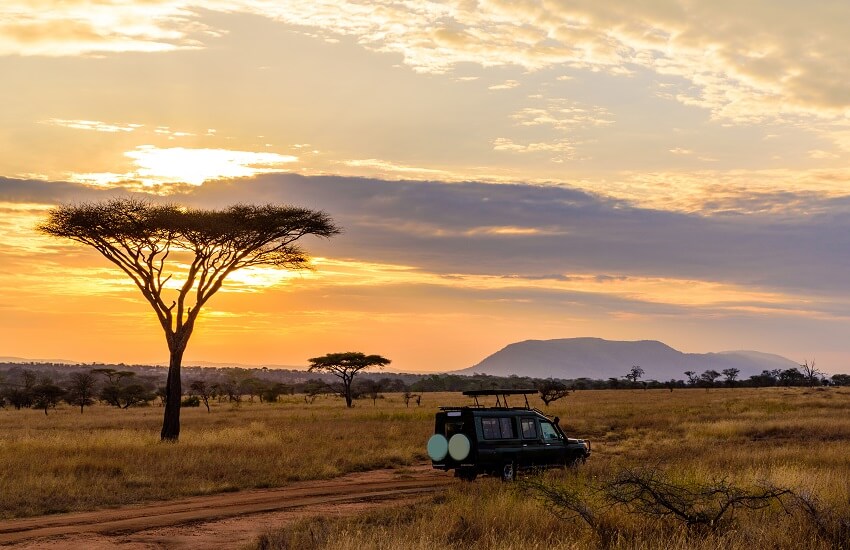
The Serengeti is consistently voted as one of Africa’s top safari destinations, home to around 3,000 lions, as well as cheetah, leopard, elephant, buffalo, and rhino (albeit rarely spotted). The landscape is equally spectacular, with vast golden plains, ancient granite boulders and acacia groves.
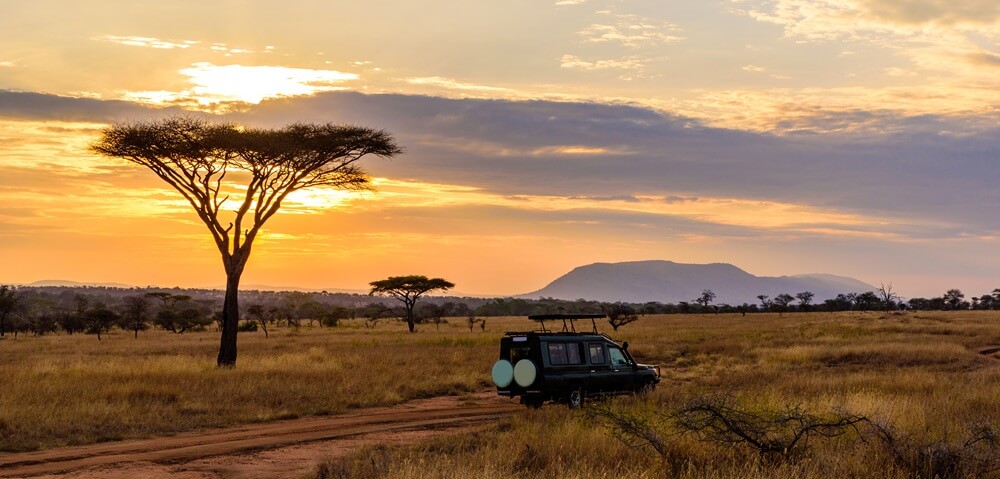
The Serengeti is also where the Great Migration lives for much of the year. The calving season from January to March, when hundreds of thousands of wildebeest give birth on the southern plains, is equally spectacular as the Mara River crossings further north, but less crowded. For the ultimate bucket list experience, take a hot air balloon ride over the plains at dawn, watching the sun rise over a sea of game below you, then landing for a champagne breakfast in the bush. Totally magical!
Ngorongoro Crater: the Big Five in a Volcanic Landscape
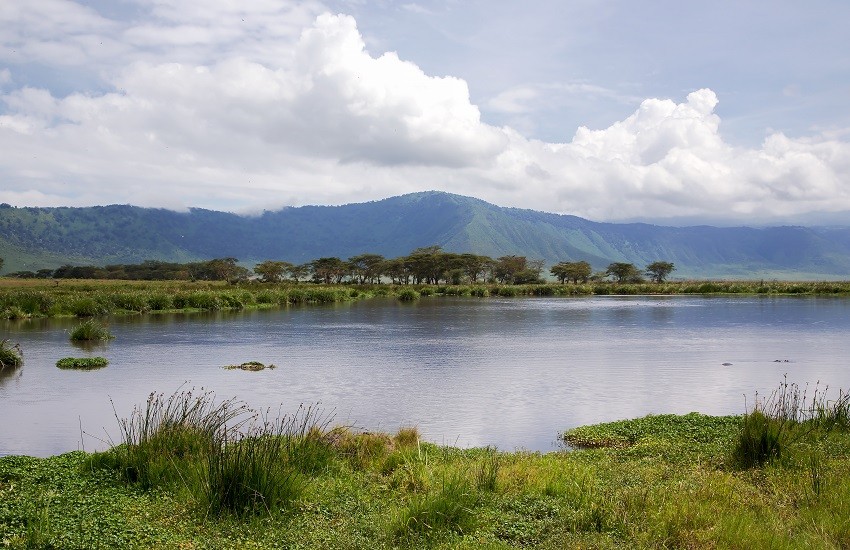
Ngorongoro is a 260 square km natural enclosure that is home to elephant, lion, leopard, hippo, hyena, flamingo, and offers one of the very best chances in Africa to see a black rhino in the wild.
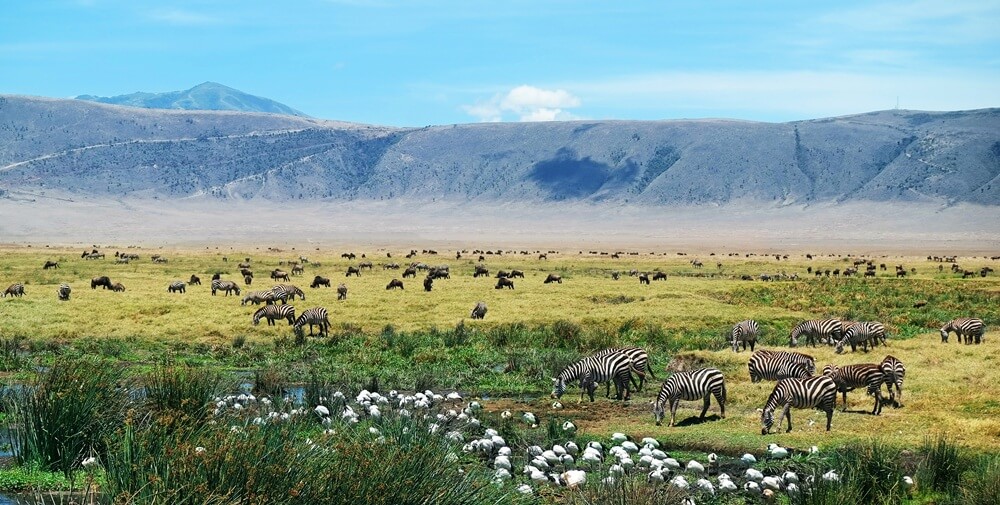
The crater rim sits over 2,000 metres above sea level, so mornings can be cool and misty, and the views from the rim looking down into the bowl below are extraordinary. As you descend into the crater, the road drops down into a huge, enclosed basin filled with grasslands and forests, where sightings are highly likely, and the diversity of wildlife is remarkable.
Lake Manyara National Park: Tree-Climbing Lions & Birdlife
Lake Manyara is smaller than its neighbours, but it makes a lovely first stop on a Tanzania multi-centre itinerary. The park is famous for its rare tree-climbing lions, and the lake itself attracts vast flocks of flamingos and pelicans. The lush groundwater forest at the park’s entrance is beautiful, and elephant sightings here tend to be wonderfully close.
Tarangire National Park: Elephants & Baobabs
Tarangire is one of Tanzania’s most underrated parks. During the dry season, the Tarangire River is full of huge elephant herds, buffalo, zebra and giraffe.
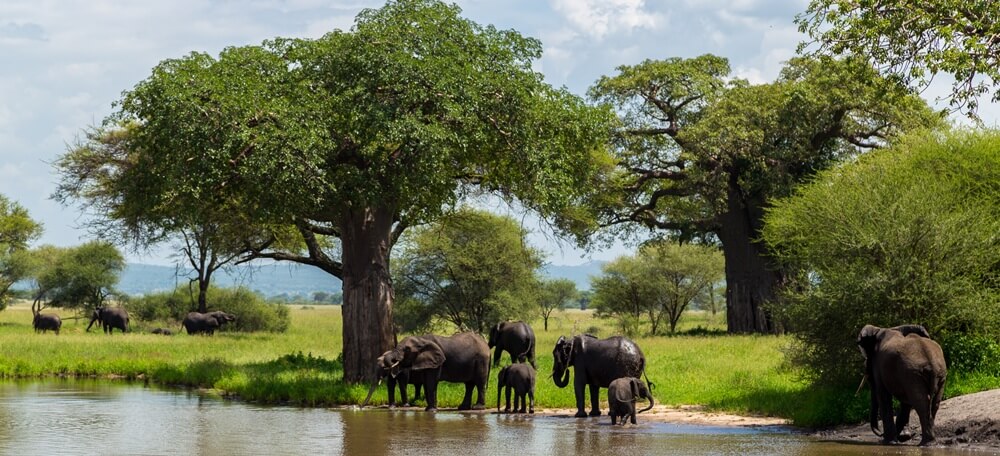
The park is also dotted with ancient baobab trees and makes a hugely rewarding addition to your itinerary.
Nyerere & Ruaha National Park: Wild & Untouched
If you want a raw, exclusive and fully immersive safari experience, southern Tanzania is the place to go. Nyerere is one of Africa’s largest national parks, and Ruaha is Tanzania’s second-biggest park. Both are enormous, remote and genuinely wild. Wildlife includes lion, leopard, elephant, wild dog, crocodile and hippo in impressive numbers, and the experiences here feel a world away from the crowds of northern Tanzania. In Nyerere, you can take boat safaris along the Rufiji River, drifting past hippo pods and crocodiles, or try a walking safari for a proper wilderness adventure.
The Best of Uganda
Uganda isn’t the classic choice for a safari destination, but it does offer something a little bit different and a little bit adventurous. The wildlife is incredible, the landscapes are wild, lush and green, and the experience is intimate and often completely off the beaten track.
Bwindi Impenetrable Forest: Gorilla Trekking
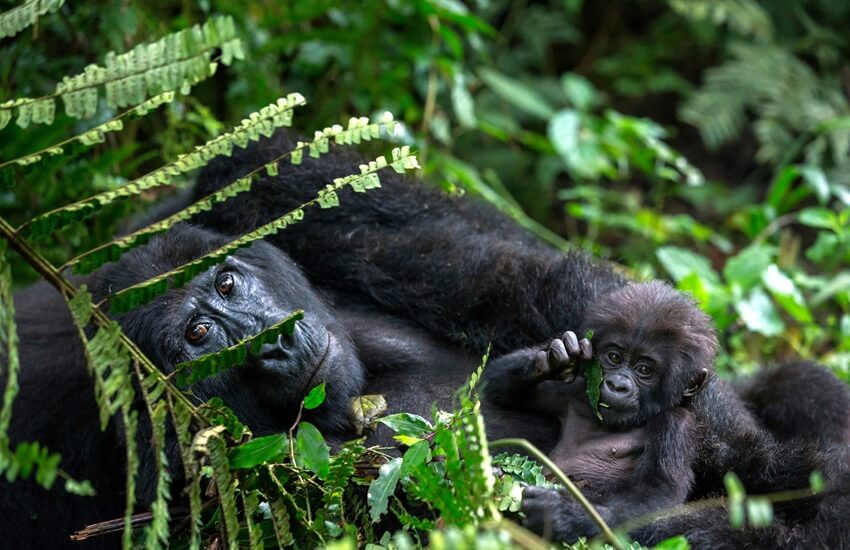
Bwindi Impenetrable Forest is a dense, ancient jungle on the edge of the Albertine Rift, and home to almost half of the world’s remaining mountain gorillas. Trekking through the undergrowth to find a family group and spending an hour in their company as you watch them eat, play and groom each other, is one of the most incredible wildlife experiences.
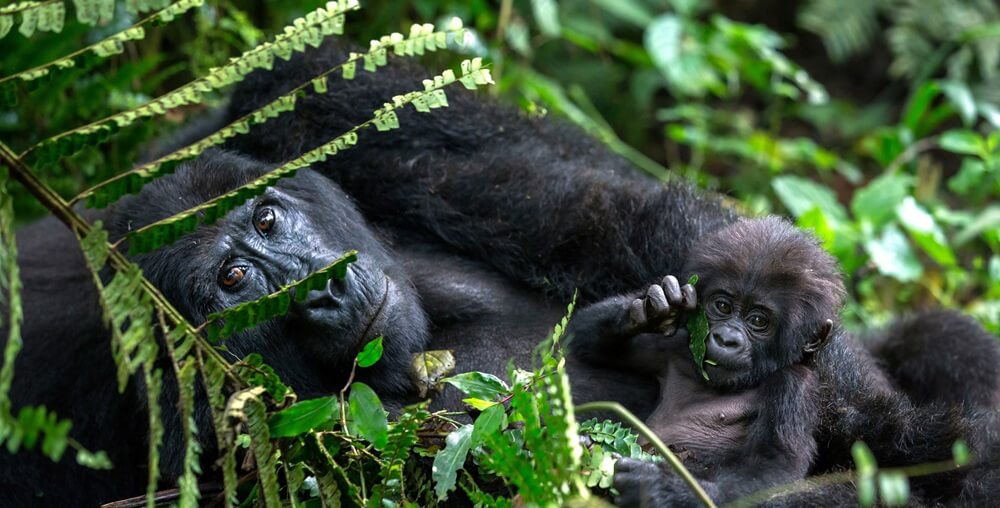
Permits are limited to just eight people per gorilla family per day, so you need to book up as far in advance as you can.
Queen Elizabeth National Park: Tree-Climbing Lions & River Safaris
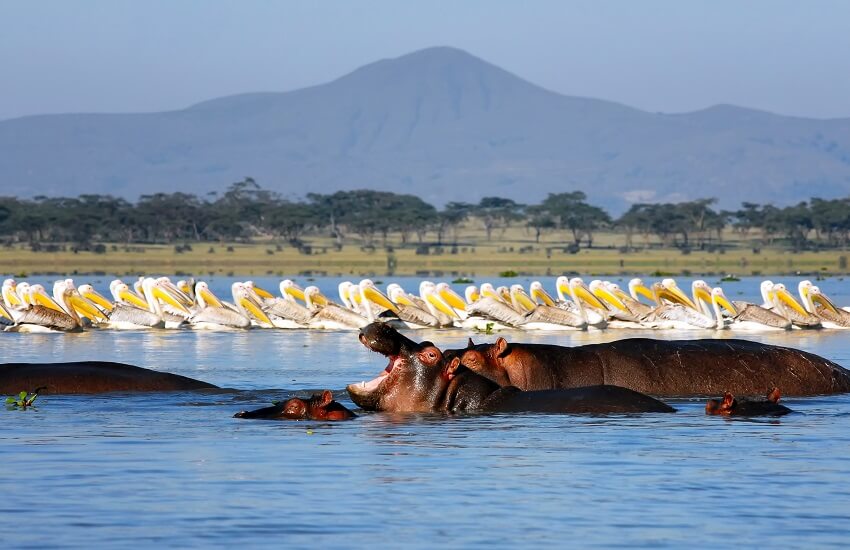
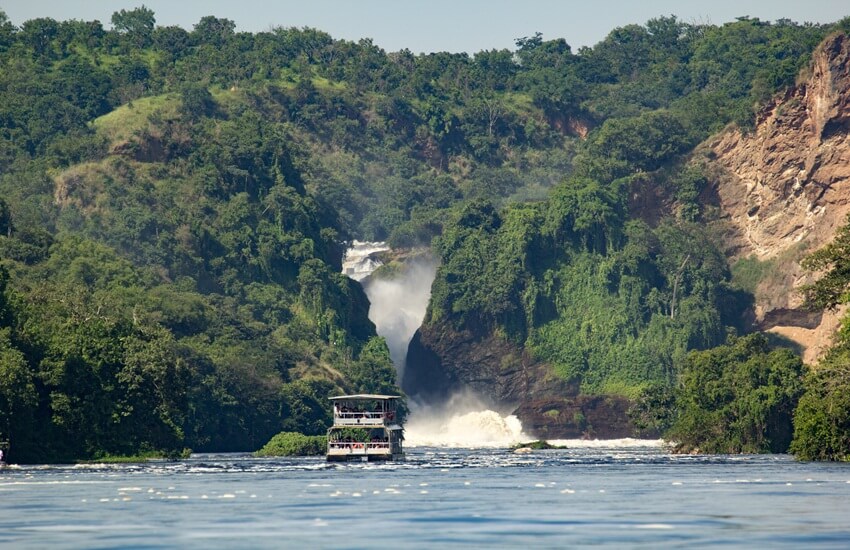
Queen Elizabeth is Uganda’s most visited national park. The Kazinga Channel, which is a natural waterway linking Lake George and Lake Edward, is home to one of Africa’s highest concentrations of hippo and buffalo. The best way to take it all in is to hop on a boat cruise along the channel to get up close to large pods of hippos, herds of elephants coming to drink at the water’s edge, and an incredible variety of waterbirds. The Ishasha sector in the south is famous for its tree-climbing lions, who lounge high in fig trees overlooking the plains. You can also expect to spot chimpanzees, elephants, and over 600 bird species.
Kibale Forest National Park: Chimpanzee Trekking
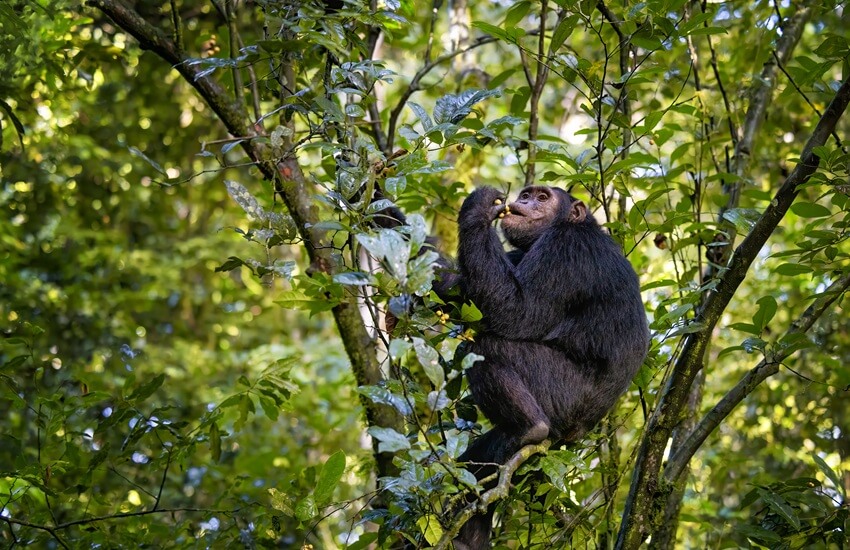
If you want to see chimpanzees up close in their natural habitat, Kibale Forest is one of THE best places to do it. The park is home to around 1,500 chimps, and guided trekking experiences here are intimate, thrilling and highly successful. It’s a completely different experience from gorilla trekking as the chimps are faster, noisier and completely chaotic to observe.
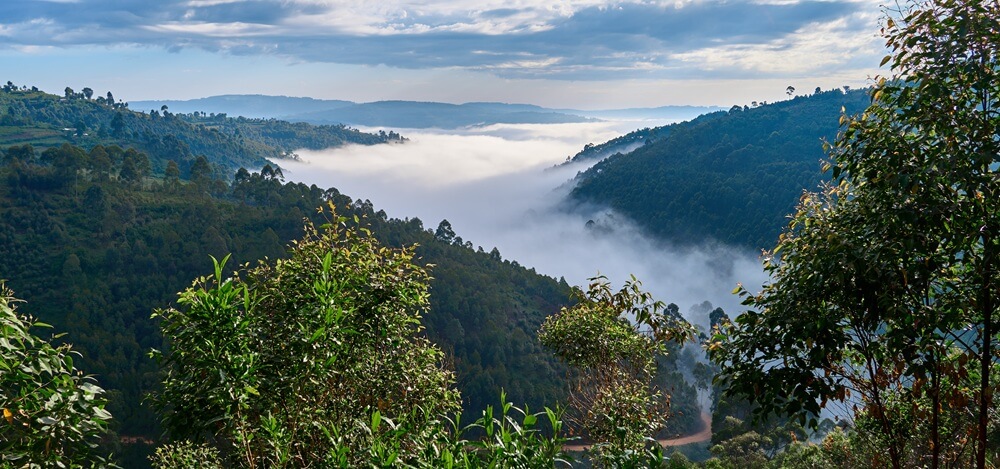
Kibale is also home to 13 other primate species and some fabulous birdwatching.
The Best of Rwanda
Rwanda is clean, safe, beautifully organised and passionately committed to both conservation and sustainable tourism. It comes at a premium price, but it’s becoming increasingly popular with our clients who are looking for a high-quality and low-impact safari.
Volcanoes National Park: Gorilla Trekking
Rwanda’s gorilla trekking experience is widely considered the best in the world. Volcanoes National Park in the Virunga Mountains protects 12 habituated gorilla families, and the trekking here is extremely well-managed and sustainable. Permits are expensive, but they fund the conservation programme that has helped the mountain gorilla population grow from near extinction to over 1,000 individuals today.
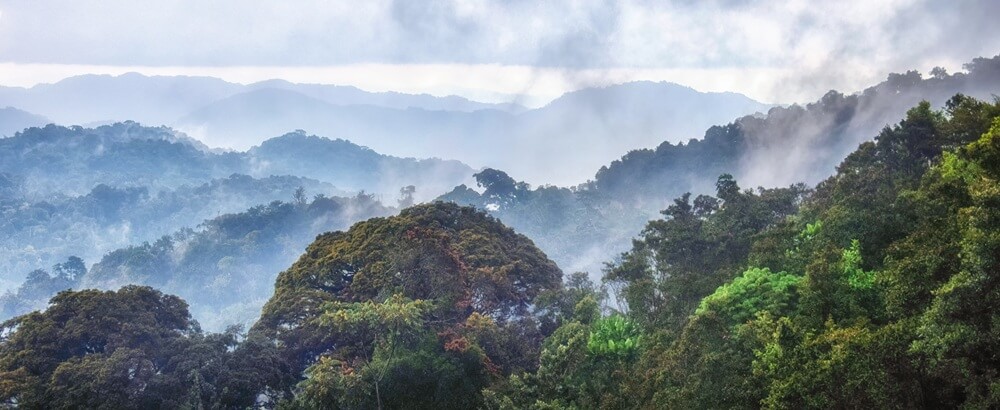
Being face-to-face with a silverback in the forest mist is the kind of pinch-me moment you usually only dream about. A golden monkey trek offers another unforgettable experience here, while the Virunga scenery itself is simply stunning.
Akagera National Park: Big Five & Conservation Safari
Rwanda is not just about gorillas. Akagera is Rwanda’s only savannah park and is a gorgeous landscape of open grassland, woodland and lakes along the Tanzanian border. It’s also home to the Big Five. The park was devastated during the 1994 genocide, heavily poached and largely written off. However, thanks to a remarkable conservation turnaround, the wildlife has come back in spectacular fashion.
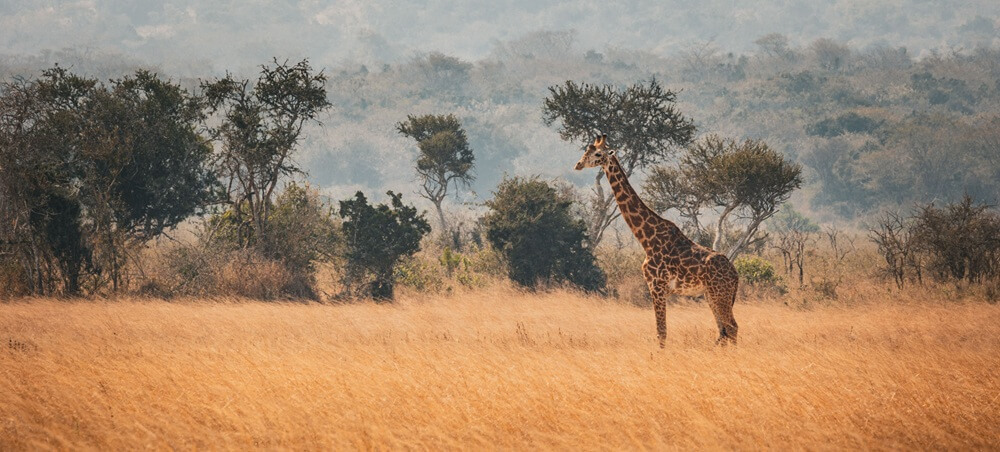
Game drives here are genuinely exciting, with elephant, buffalo, hippo, giraffe, and lion all regularly spotted. And taking a boat safari on Lake Ihema, drifting past hippos, crocodiles, and abundant birdlife as the sun goes down, is worth the trip on its own. It’s a wonderful safari and combines brilliantly with Volcanoes National Park for a great Rwanda two-centre holiday.
Akagera is still relatively under the radar compared to some of the other safari parks, so it tends to have fewer crowds.
East African multi-centre holidays
One of the great things about East Africa is how well the countries connect. Kenya and Tanzania share a border, and their wildlife overlaps (after all, the Masai Mara and the Serengeti are, ecologically, one continuous ecosystem). It’s also perfectly possible to combine gorilla trekking in Uganda or Rwanda with a classic Kenyan safari, or to follow the Great Migration from the Serengeti north to the Masai Mara in a single trip.
Simply give us a call, and we’ll work out which combination works best for you, the amount of time you have, your budget and your wish list.