
Share this article:


Americans know how to do things on a grand scale; bigger, taller, and sometimes better than anywhere else. And their natural wonders are no exception. The USA stretches across six time zones and contains almost every type of landscape imaginable, from deserts, glaciers, rainforests, volcanoes, and everything in between. With so much choice and diversity, where do you begin? That’s where we come in! We’ve narrowed down the very best natural wonders the USA has to offer.
We offer a range of US road trips featuring some of the destinations below, and every multi centre itinerary to the US can be tailored to include any of the places you want to explore.
The Top 15 of America’s Best Natural Wonders
Grand Canyon: One of the world’s most iconic landscapes, famous for dramatic rim views, helicopter rides and the thrilling Skywalk.
Yellowstone National Park: America’s first national park, packed with geysers, hot springs, waterfalls and incredible wildlife.
Niagara Falls: Feel the spray and thunder of one of the planet’s most famous waterfalls.
Yosemite Valley: Granite cliffs, giant sequoias and some of the USA’s most spectacular scenery.
Denali: North America’s tallest mountain surrounded by untamed wilderness and wildlife.
Everglades National Park: A unique subtropical wilderness known for airboats, mangroves, and alligators.
Antelope Canyon: A magical slot canyon filled with swirling sandstone and famous light beams.
Monument Valley: Classic Wild West scenery with towering red sandstone buttes.
Bryce Canyon National Park: Surreal landscapes of hoodoos, amphitheatres and star-filled skies.
Hawaii Volcanoes National Park: Witness active volcanoes, lava fields and dramatic volcanic landscapes.
The Wave: One of America’s most photogenic rock formations, with limited daily permits.
Glacier National Park: Stunning mountain scenery, alpine lakes and the famous Going-to-the-Sun Road.
White Sands National Park: Vast rolling dunes of dazzling white gypsum sand.
Crater Lake: A breathtaking deep-blue volcanic lake surrounded by dramatic viewpoints.
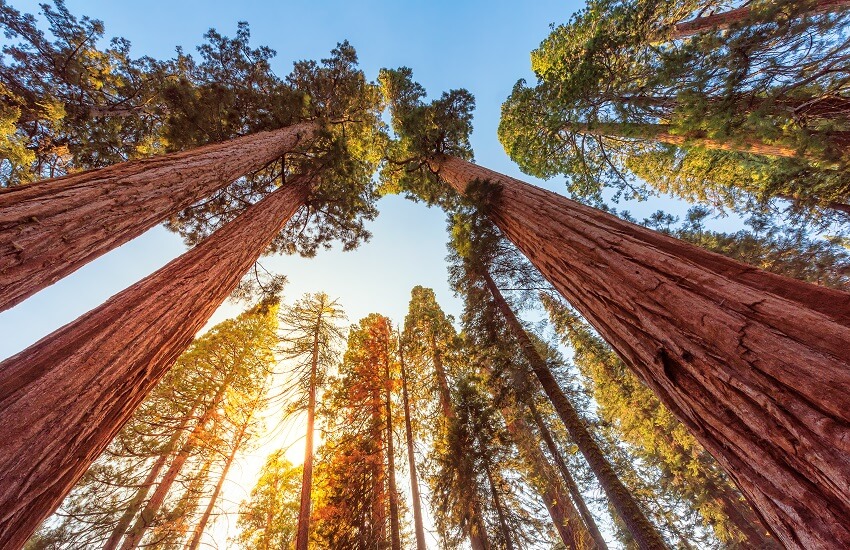
Redwood National and State Parks: Home to the tallest trees on Earth and rugged Pacific coastline.
The USA’s Most Spectacular Natural Wonders Explained
Grand Canyon, Arizona: Helicopter Rides & Jaw-dropping Rim Views
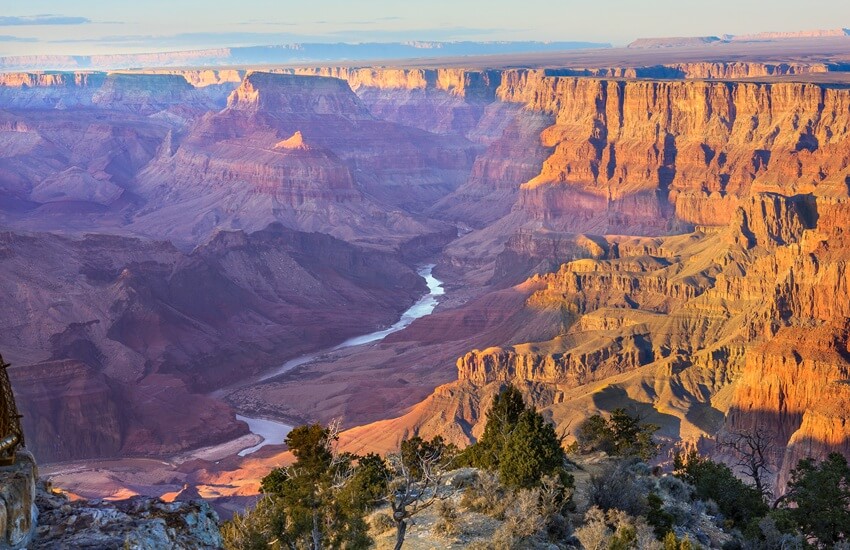
A list such as this without mentioning the Grand Canyon would be almost unforgivable. It’s one of the most iconic natural landmarks on the planet, and standing at the rim for the first time is a genuinely jaw-dropping experience, making you feel suddenly very small! The scale is vast, at over a mile deep, 277 miles long and carved by the Colorado River over millions of years.
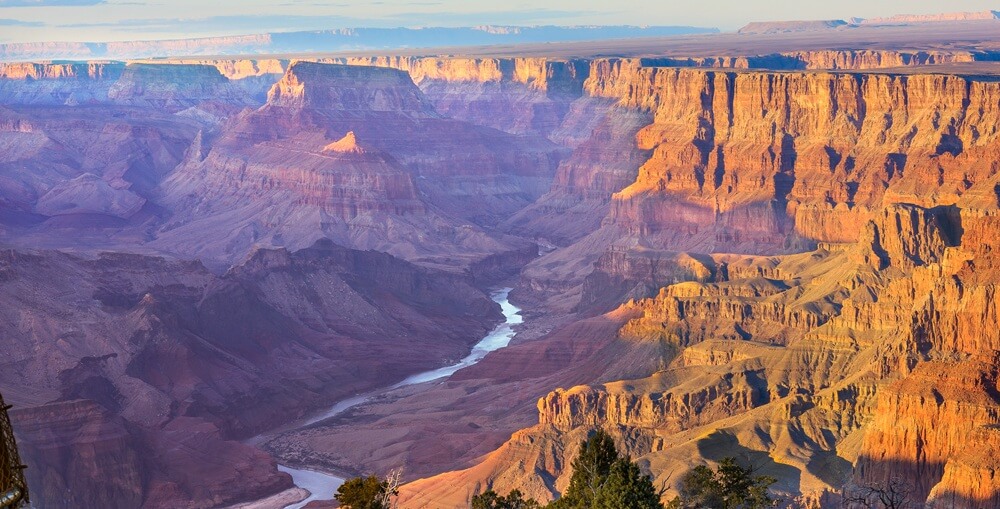
There are various ways to explore it, from hiking down into the canyon itself, taking a helicopter flight over the rim, or simply standing at the edge and letting the scale of it wash over you. Most visitors head to the South Rim, which is the busier of the two, but the North Rim is considerably quieter if you prefer a more peaceful experience.
For something a little different, the Grand Canyon Skywalk is worth experiencing. It’s a horseshoe-shaped glass bridge that extends 70 feet out from the canyon rim, holding you suspended above a sheer 4,000-foot drop with nothing but glass beneath your feet. It’s not for the faint-hearted, but an extraordinary way to experience the canyon’s scale.
Yellowstone, Wyoming: Geysers, Hot Springs & Waterfalls
If the Grand Canyon tops most people’s lists, Yellowstone comes a very close second. As America’s very first national park, encompassing over 2.2million acres, it sits on top of one of the world’s largest supervolcanoes.
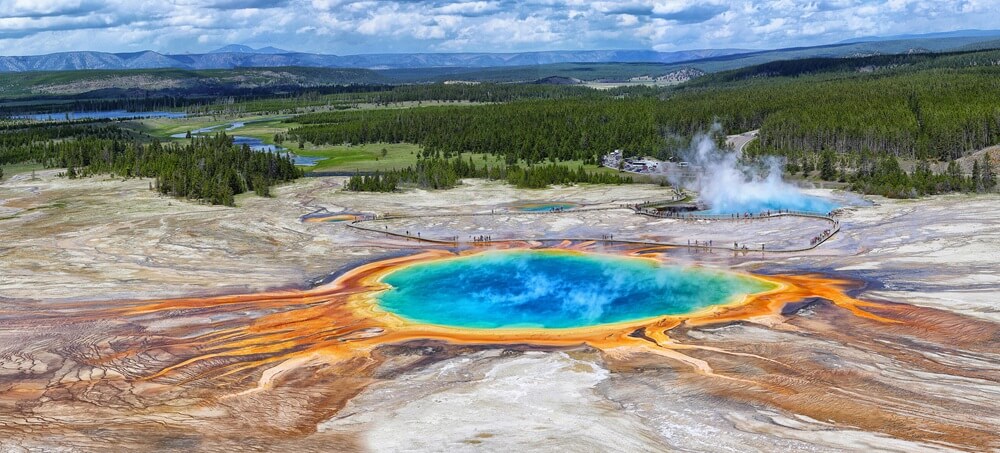
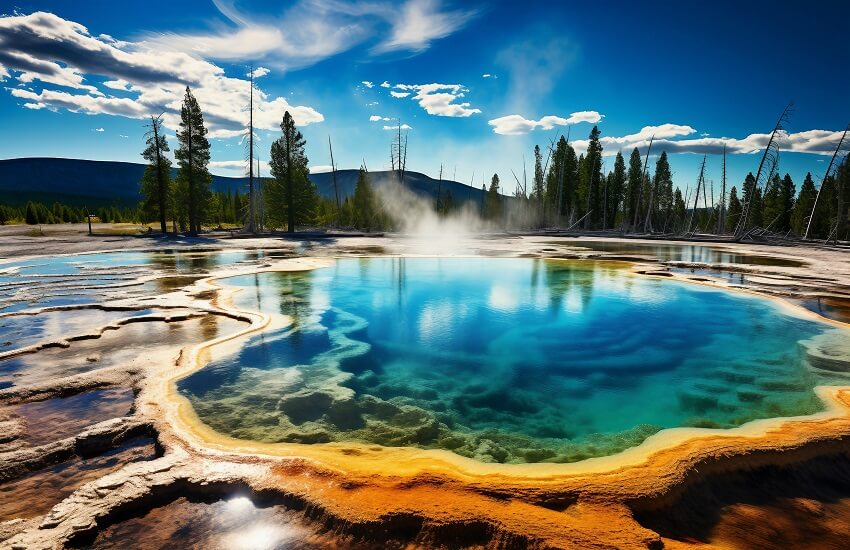
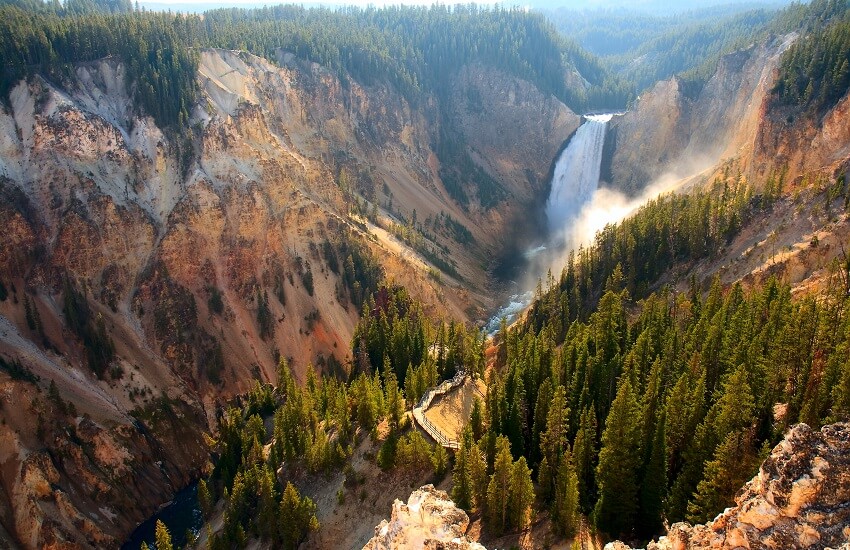
The geysers are the obvious highlight, and you can watch Old Faithful erupting about every 90 minutes. It’s one of the most predictable geysers in the world, and the visitor centre can tell you the estimated next eruption time when you arrive. Great Fountain Geyser and Steamboat Geyser are also well worth exploring. There are hot springs too, including the Grand Prismatic Spring, with its vivid rings of blue, green, yellow and orange. Away from the geothermal features, make sure you head to Yellowstone Lake, the largest high-altitude lake in North America, the petrified forest on the slopes of Amethyst Mountain, and the travertine formations at Mammoth Hot Springs.
Wildlife watching here is exceptional too, with opportunities to spot bison, wolves, and black and grizzly bears throughout the park.
Niagara Falls, New York: Boat Adventures & Exhilarating Waterfalls
One of the most famous waterfalls in the world, drawing in over 30 million visitors a year, the Niagara Falls will literally take your breath away. Particularly when you’re standing close enough to feel the spray on your face, with over 3,000 tons of water thundering over the edge every single second!
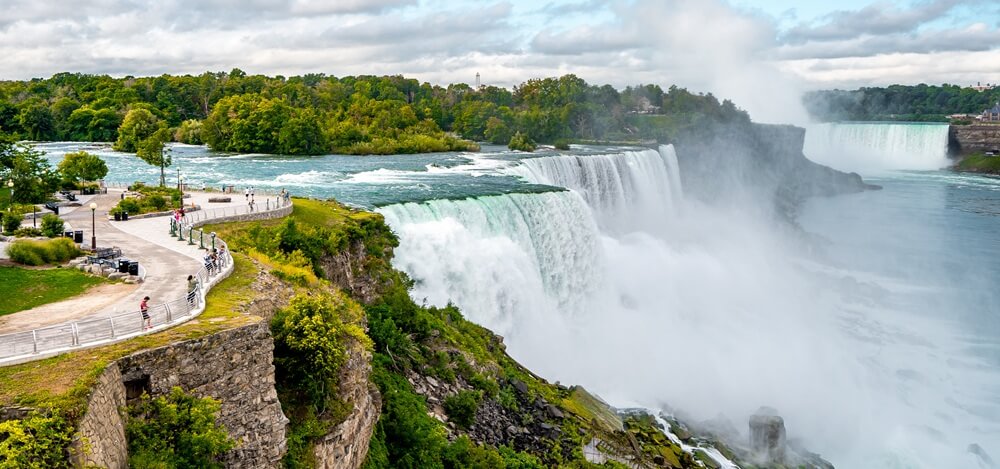
The Maid of the Mist boat tour offers the classic Niagara experience. It takes you right to the base of the falls, and you will get thoroughly soaked despite the ponchos provided – but that’s all part of the fun. The view from the water looking up at the full width of the Horseshoe Falls is something you will never forget. For a drier but equally dramatic perspective, the Cave of the Winds walkway takes you along wooden platforms to the Bridal Veil Falls.
The falls straddle the US/Canada border, and it’s worth crossing to the Canadian side if you can, as the view from Niagara Falls in Ontario is generally considered the more dramatic of the two. (Don’t forget your passport, though!)
Yosemite Valley, California: Granite Cliffs & Giant Sequoias
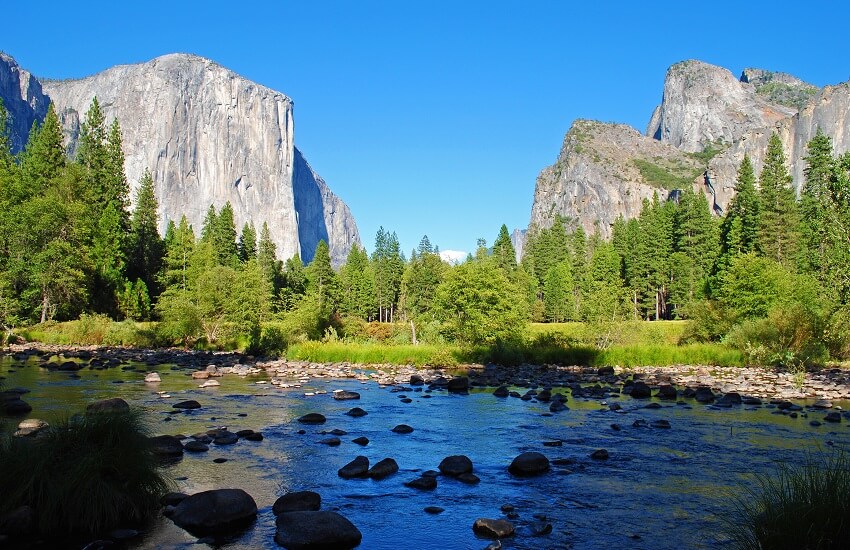
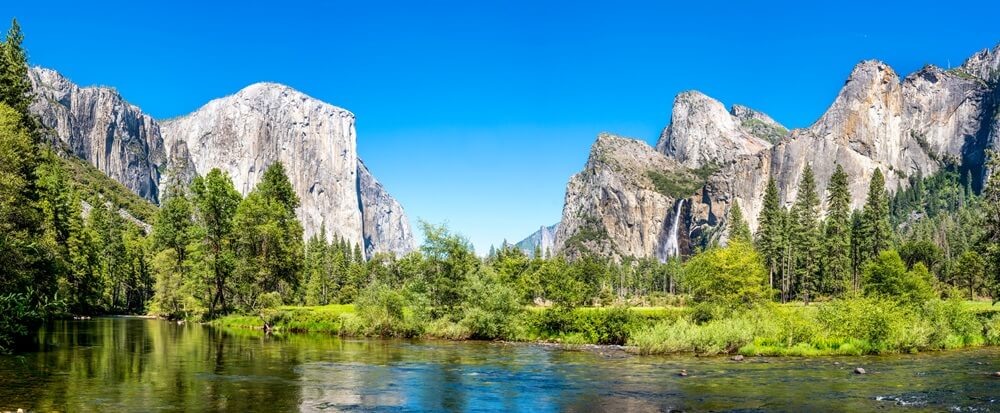
Yosemite Valley is located in the heart of Yosemite National Park, in the Sierra Nevada mountains of California. The glacially carved valley is framed on all sides by dramatic granite walls, with El Capitan, one of the largest exposed granite monoliths in the world, standing 3,000 feet sheer from the valley floor. At the far end stands Half Dome, a massive granite formation, while waterfalls cascade down the cliffs and ancient sequoia trees line the forest paths below.
Spring is the ideal time to visit when the valley is at its greenest, and the waterfalls are flowing. Staying overnight in one of the valley’s lodges or campgrounds allows you to experience the scenery in the early morning before the crowds arrive, when the light and atmosphere are truly magical.
For some of the best views, head to Tunnel View at the eastern end of the Wawona Tunnel, where you can see El Capitan on the left, Half Dome straight ahead, and Bridalveil Fall to the right. Glacier Point is another must-visit viewpoint, offering sweeping panoramas of the entire valley.
Although it’s outside the valley, make sure you visit Mariposa Grove, which is home to giant sequoias that are over 3,000 years old.
Denali, Alaska: Summit Glimpses & Incredible Wildlife
At just over 20,000 feet, Denali is the highest mountain in North America, dominating the surrounding Alaskan wilderness. The mountain is frequently shrouded in cloud, but even glimpses of its summit are enough to leave you in awe of its sheer scale and beauty.
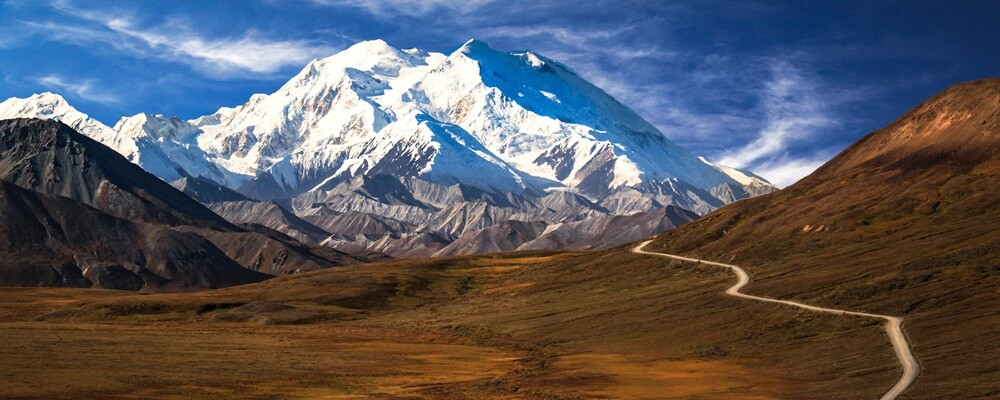
The Denali National Park offers excellent hiking and wildlife watching, with grizzly bears, caribou, moose, and Dall sheep all regularly spotted. There is only one road into the park, and private vehicles can only travel the first 15 miles. Beyond that, access is by park bus only, which keeps the wilderness genuinely wild.
The Everglades, Florida: Airboats & Alligators
Southern Florida has a lot to offer, but the Everglades tend to get overlooked in favour of the beaches and theme parks, which is a shame, as this is one of the most unique natural environments in the entire country. This slow-moving river of grass stretches across the southern tip of Florida and is absolutely teeming with wildlife.
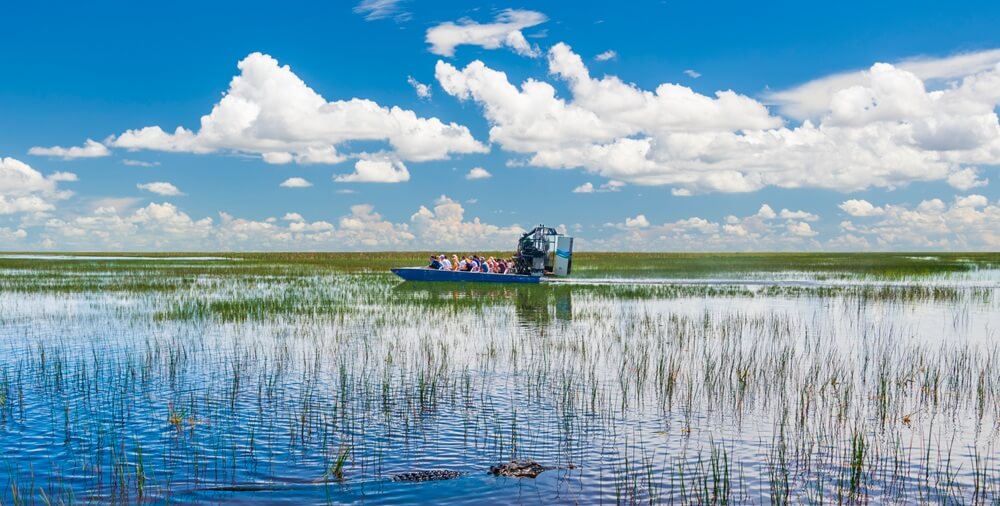
A classic ‘Gentle Ben’ style airboat tour is the best way to cover ground, with an experienced guide on hand to help point out the alligators and birdlife lurking in the wetlands. If that’s a bit noisy for you, you can take a kayak through the mangrove channels of the Ten Thousand Islands. Or if you prefer to stay on dry land, there are various walking trails and boardwalks where you can spot wildlife and the unique ecosystems up close.
Antelope Canyon, Arizona: Light Beams & Canyon Walks
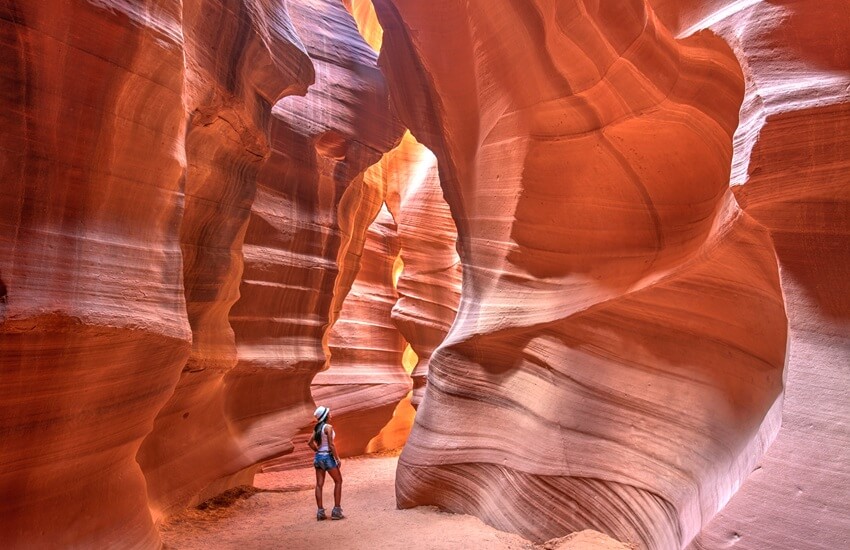
Antelope Canyon is a slot canyon carved into the Navajo sandstone of northern Arizona, with steep walls and tight passageways. It was shaped by centuries of wind and water into flowing curves of deep orange, red and gold, with the colours shifting constantly as the light changes throughout the day. Whilst there are no antelopes nowadays, it got its name thanks to the herds of pronghorn antelope which used to roam the surrounding desert in large numbers.
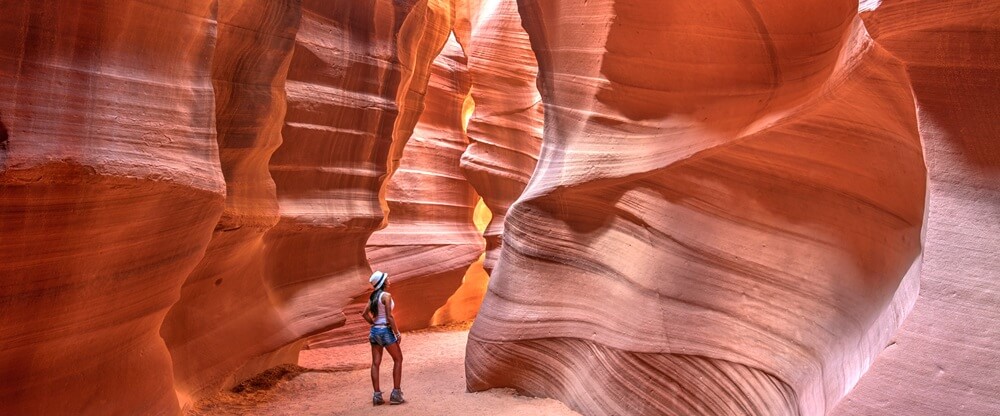
The canyon sits on Navajo Nation land near the town of Page, Arizona, and can only be visited on a guided tour. There are two sections: Upper Antelope Canyon, which is the more famous and easier to walk through, and Lower Antelope Canyon, which involves some ladder climbing but tends to be slightly less crowded. The famous light beams that filter down from above and illuminate the walls are most visible in Upper Canyon around midday from March to October.
Monument Valley, Arizona/Utah: Red Buttes & Navajo Wilderness
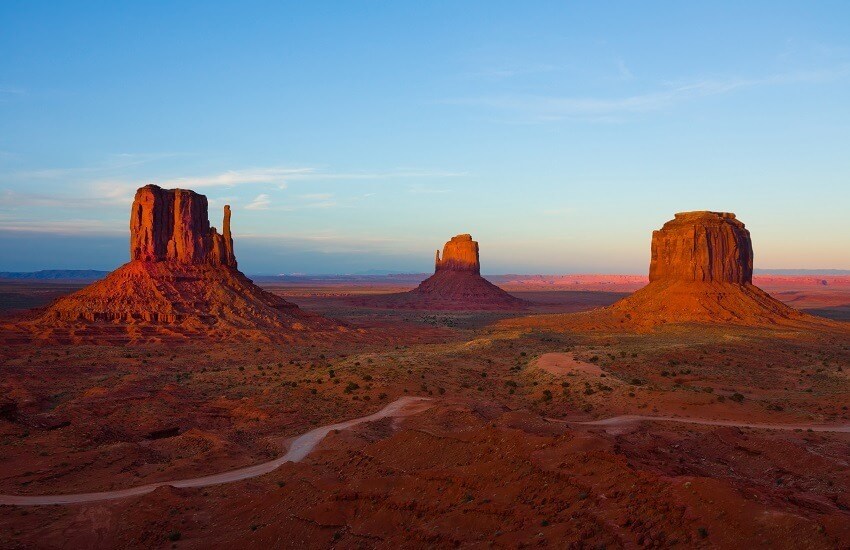
About 125 miles from Antelope Canyon, Monument Valley epitomises the American West. Its vast red desert plains are dotted with huge sandstone buttes, some reaching 1,000 feet, making you feel like you’re stepping onto a film set rather than a natural landscape.
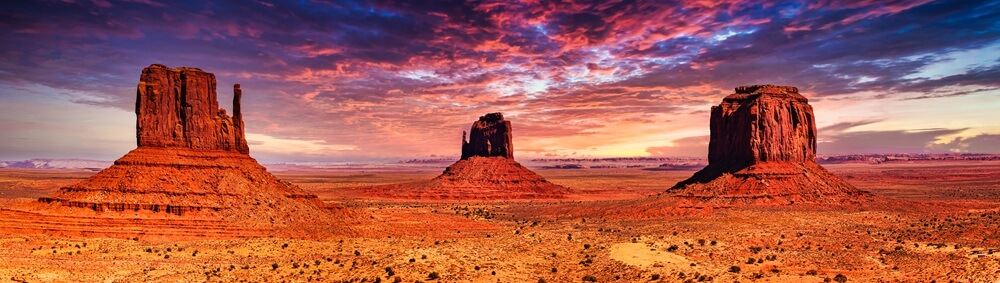
Situated on Navajo Nation land along the Arizona/Utah border, the valley is best explored via the 17-mile loop drive, which winds past iconic formations such as the Mitten Buttes, Merrick Butte, and the Totem Pole. For a more in-depth experience, you can take a guided Navajo tour, which offers access to hidden backcountry areas, ancient petroglyphs, and ancestral Anasazi sites.
Bryce Canyon, Utah: Hoodoos & Amphitheatres
Bryce Canyon isn’t actually a canyon at all, but a series of natural amphitheatres filled with thousands of hoodoos, which are tall, thin spires of eroded rock. It’s named after early settler Ebenezer Bryce, who allegedly summed it up as “a hell of a place to lose a cow”. Once you’ve wandered into its maze of slightly surreal passages, you’ll understand exactly what he meant! Sunrise is one of the best times to visit, when the light catches the tops of the spires.
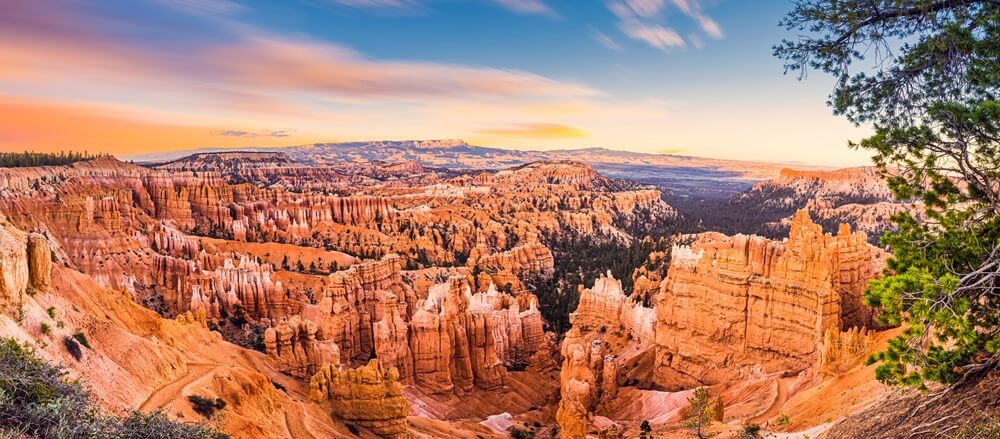
The Rim Trail runs along the top of the amphitheatre and offers excellent views, but if you want to get down among the hoodoos themselves, the Navajo Loop and Queen’s Garden trails are both great options. Horseback riding is another popular way to explore the canyon floor, and for a truly memorable experience, camping overnight among the hoodoos and falling asleep under a blanket of stars is a special experience.
Hawaii Volcanoes, Hawaii: Active Lava & Volcanic Landscapes
Hawaii Volcanoes National Park is situated on the Big Island and is home to Kilauea, one of the most continuously active volcanoes in the world. Depending on the day, you might see lava slowly moving across the ground and, when it reaches the ocean, creating clouds of steam.
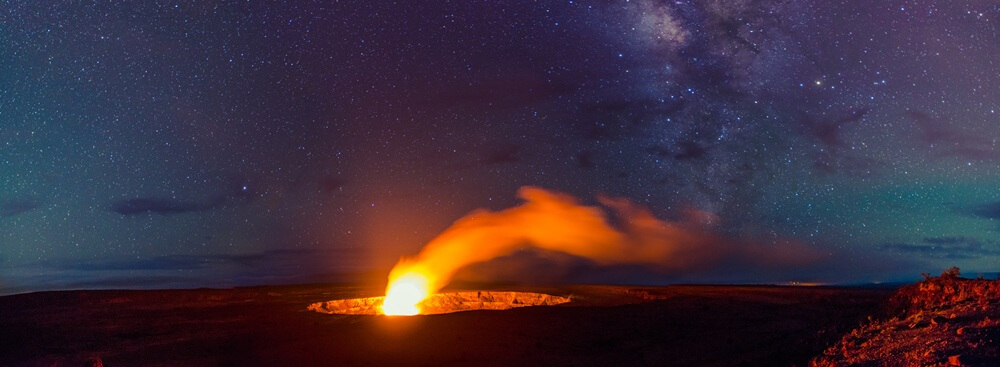
The Crater Rim Drive takes you around the edge of the Kilauea caldera, with viewpoints and short walks along the way. The Thurston Lava Tube, which is a walk-through tunnel formed by ancient flowing lava, is a particular highlight. For the most dramatic experience, visit after dark to see the glow of the lava lake in Halemaumau Crater.
The Wave, Arizona/Utah: Sculpted Sandstone & Magical Colours
This incredible sandstone formation on the Arizona–Utah border has been sculpted over millennia into curves of layered rock in various shades of red, orange, and pink.
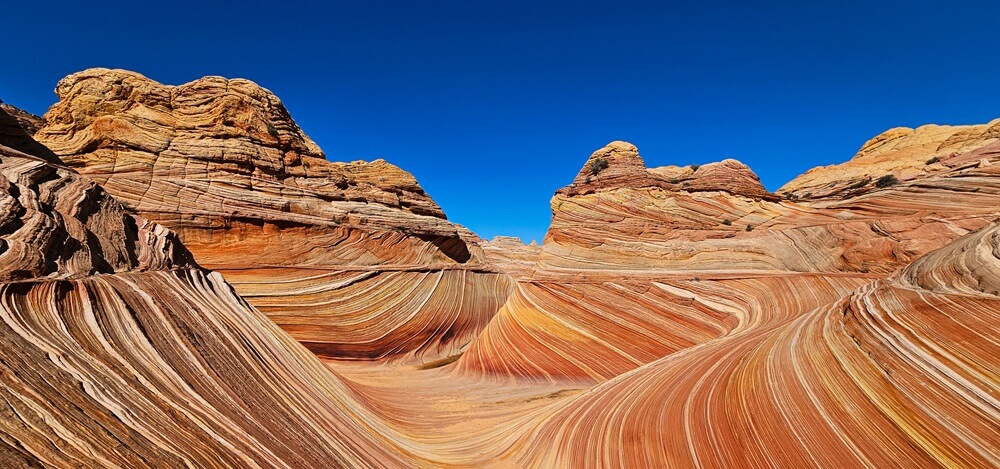
Getting into The Wave requires a bit of planning, as access is controlled via a lottery system that issues only 64 permits per day. But if you’re lucky enough to secure a spot, you’ll be rewarded with a truly extraordinary landscape that feels incredibly private, with the limited number of visits per day.
Glacier National Park, Montana: Retreating Glaciers & Sweeping Views
In the northwest corner of Montana along the Canadian border, Glacier National Park is one of America’s most beautiful and least crowded major parks. However, the glaciers are retreating fast, with scientists estimating many could be gone within a few decades, so make sure you visit sooner rather than later.
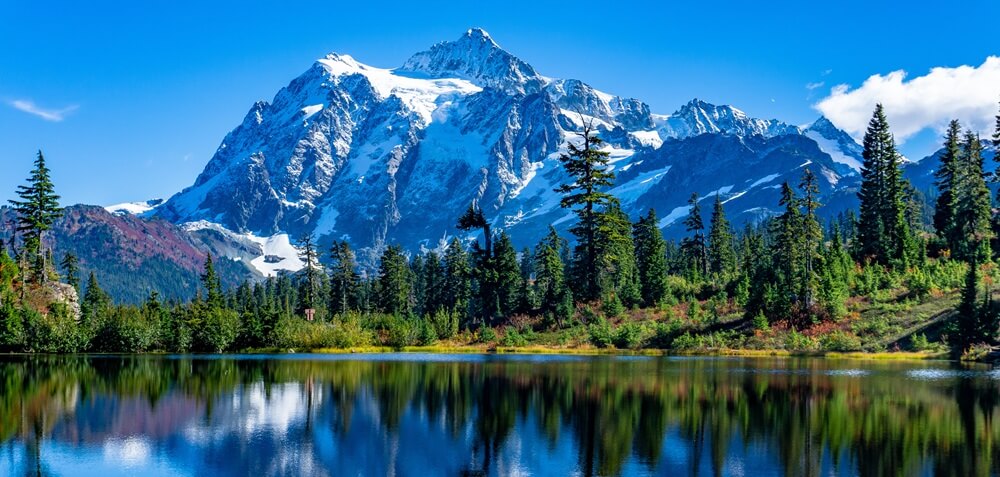
The mountains are dramatic, the lakes (particularly Lake McDonald and St. Mary Lake) are incredibly clear, and there are over 700 miles of walking and hiking trails that wind through the stunning Rocky Mountains scenery.
The Going-to-the-Sun Road is the best way to see much of this incredible landscape, including sweeping views of the glaciers themselves. This 50-mile mountain highway crosses the Continental Divide at Logan Pass and offers some amazing views of the park’s valleys, mountains, and ice-carved landscapes.
White Sands, New Mexico: Dazzling Dunes & Desert Adventure
White Sands is exactly that. 275 square miles of strikingly white dunes in the heart of the New Mexico desert. The dunes are actively shifting, which means the landscape is never quite the same from one day to the next. The Interdune Boardwalk is the easiest way to take in the sights, and it explains the ecology of the dunefield along the way. The longer Alkali Flat Trail takes you deeper into the heart of the dunes for a more immersive experience.
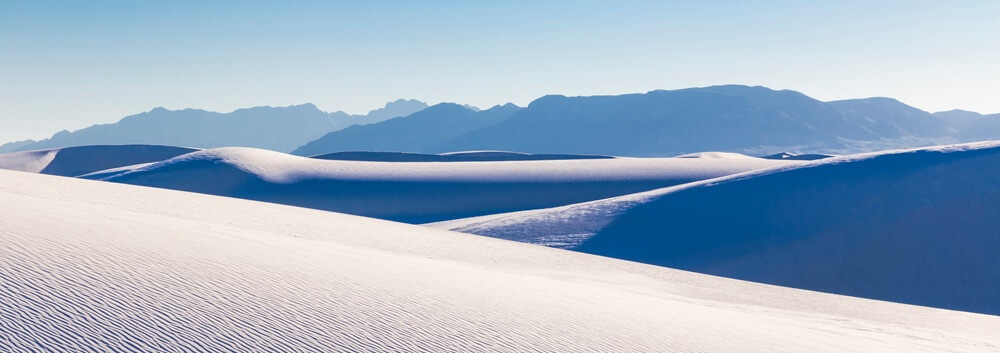
For a bit of fun, you can hire sledges from the visitor centre to ride down the steeper dunes.
Crater Lake, Oregon: Vivid Blue Waters & Stunning Views
Crater Lake was formed around 7,700 years ago when the Mount Mazama volcano collapsed in on itself following a massive eruption, leaving a vast caldera that slowly filled with rainfall and melted snow over centuries. The result is the deepest lake in the United States at nearly 2,000 feet, and quite possibly the most intensely blue body of water you will ever see.
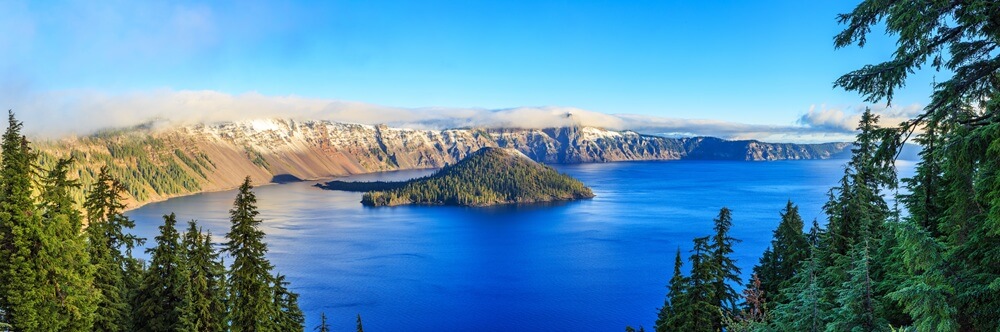
The 33-mile Rim Drive circles the lake and treats you to some stunning viewpoints, with Watchman Overlook and Cloudcap offering some of the best. In summer, a boat service runs from Cleetwood Cove out to Wizard Island, the volcanic cone that rises from the centre of the lake.
Redwood National and State Parks, California: World’s Tallest Trees & Dramatic Coastline
Located in Northern California, Redwood National and State Parks are home to nearly half of the world’s remaining coastal redwoods, including some that are over 370 feet! If you’d rather not get on your walking shoes to explore the forest, the Newton B. Drury Scenic Parkway is an 11-mile road that winds through prime old-growth forest and offers a stunning sense of the trees’ scale from the comfort of your car. If you’d like a bit more of an adventure, the Tall Trees Grove involves a hike through the forest, allowing you to step into the heart of it all and be surrounded by some of the tallest individual redwoods in the park.
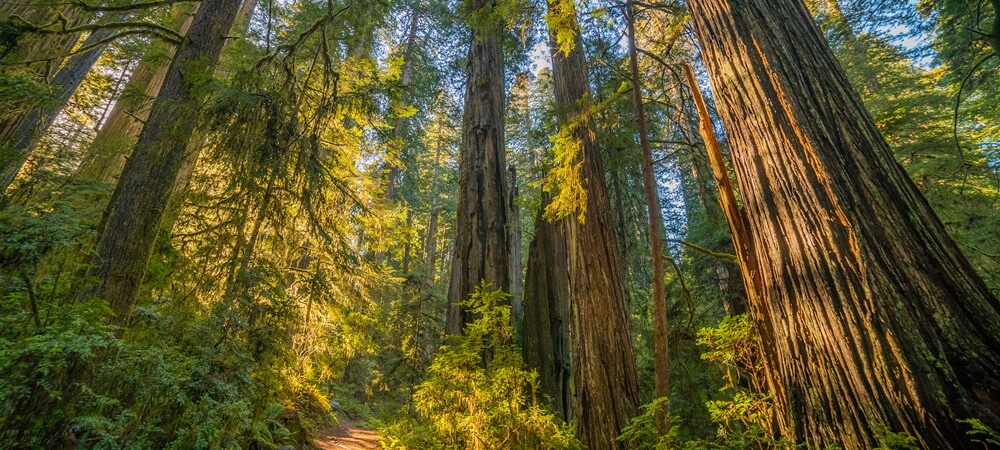
Redwood National and State Parks also encompasses 70 miles of California coastline, with tide pools, hidden coves, and wonderful ocean views. Wildlife that can be spotted include the Roosevelt elk in the forests, to grey whales and seals along the coast.
Discover America’s Natural Wonders with a Multi Centre Holiday
The beauty of travelling through the USA is that you don’t have to choose just one natural wonder. From iconic national parks and dramatic desert landscapes to volcanoes, waterfalls and towering forests, you can combine several of your must-see destinations into one unforgettable US multi centre holiday.
Whether you want to explore a handful of highlights or create the ultimate bucket list US road trip ticking off as many as possible, almost anything is possible with the right amount of time and budget.
Below, we’ve featured a selection of our favourite itineraries that showcase some of America’s most spectacular natural wonders, but every trip can be completely tailored to include the places you most want to experience.
To start discovering some of the wonderful natural beauty across this vast country, our USA specialists are ready to help you plan the holiday of a lifetime, simply get in touch today.